PsyPost
  • Mental Health
  • Social Psychology
  • Cognitive Science
  • Neuroscience
  • About
No Result
View All Result
Join
My Account
PsyPost
No Result
View All Result
Home Exclusive Cognitive Science

Neuroimaging study indicates bariatric surgery can reverse the accelerated brain aging caused by obesity

by Eric W. Dolan
August 25, 2022
Reading Time: 2 mins read
Share on TwitterShare on Facebook

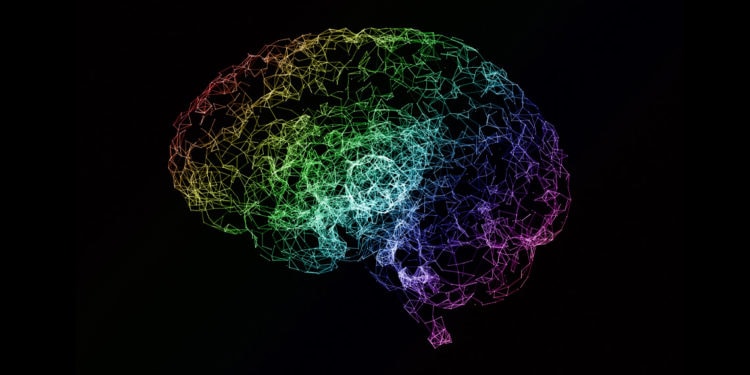
New research provides evidence that bariatric surgery for obesity is associated with significant improvements in brain age. The new findings appear in the journal NeuroImage.

“It is important to improve our understanding of how obesity-linked cardiometabolic alterations relate to brain and cognitive health, which may in turn improve the overall health prospects of our aging society,” said study author Andréanne Michaud, an assistant professor at the School of Nutrition at Laval University.

“We believe that showing a reversal of cognitive dysfunction and brain abnormalities associated with obesity after interventions targeting cardiometabolic health could have very strong implications for the development of effective preventive interventions to maintain brain health.”

As people age, their brains go through changes that can affect cognitive function. Brain imaging techniques can be used to estimate how individuals’ brains are aging, based on deviations from the population norm.

The researchers used high-quality neuroimaging data from the Human Connectome Project — a multi-institutional research collaboration that aims to map all the functional neuron connections in the brain — to compare differences in brain age between individuals with obesity and those with normal weight. Participants with a BMI higher than 35 kg/m2 were individually matched for age, sex, and ethnicity with a group of individuals who had a normal body weight.

Michaud and her colleagues found a higher brain age among individuals with obesity compared to individuals with normal weight. The brain age among individuals with obesity was approximately 7 years older than their chronological age on average, reflecting poorer brain health.

The researchers also examined data from 87 participants with severe obesity who underwent bariatric surgery. The participants underwent neuroimaging prior to their surgery. They also completed follow-up assessments at 4, 12, and 24 month post-surgery.

Michaud and her colleagues observed significant improvements in brain aging at 12 and 24 months following bariatric surgery. These improvements were associated with weight loss and changes in cardiometabolic factors, including reduced blood pressure and insulin resistance.

Google News Preferences Add PsyPost to your preferred sources

“We are really excited about these results because it suggests that while obesity and cardiometabolic problems might affect brain health, these effects are potentially reversible after weight-loss and cardiometabolic improvement induced by bariatric surgery,” Michaud told PsyPost.

“We demonstrated that obesity-related brain health abnormalities (as measured by brain age) might be reversed by bariatric surgery-induced weight loss and widespread improvements in cardiometabolic alterations. However, we do not have a clear understanding of the mechanisms explaining these brain changes and how they relate to cognitive performance.”

“Further studies should examined the potential mechanisms underlying these brain changes and their impact on cognitive performance, which could be helpful to develop effective preventive interventions to maintain and improve brain and cognitive health,” Michaud said.

The study, “Impact of weight loss on brain age: Improved brain health following bariatric surgery“, was authored by Yashar Zeighami, Mahsa Dadar, Justine Daoust, Mélissa Pelletier, Laurent Biertho, Léonie Bouvet-Bouchard, Stephanie Fulton, André Tchernof, Alain Dagher, Denis Richard, Alan Evans, and Andréanne Michaud.


RELATED

Pills spilling out of a bottle on a table
Dementia

Common cholesterol medications do not alter long-term dementia risk

May 1, 2026
Loneliness associated with lower cognitive function in older adults
Dementia

New-onset loneliness triggers an accelerated drop in cognitive health

May 1, 2026
Gold digging is strongly linked to psychopathy and dark personality traits, study finds
Addiction

Mental health risks of cannabis addiction depend heavily on age

April 30, 2026
Gold digging is strongly linked to psychopathy and dark personality traits, study finds
Artificial Intelligence

High trust in AI leaves individuals vulnerable to “cognitive surrender,” study finds

April 30, 2026
How sexual expression influences long-term marital satisfaction in older couples
Mental Health

Regular sex is linked to fewer daily menopause symptoms, survey finds

April 30, 2026
Science debunks the fashion myth that vertical stripes are always slimming
Attractiveness

Science debunks the fashion myth that vertical stripes are always slimming

April 30, 2026
Study suggests men are more drawn to religion when it is consistent with their reproductive goals
Addiction

Subconscious surrender to God predicts long-term addiction recovery, study finds

April 30, 2026
Mindfulness may be a window into brain health in early Alzheimer’s risk
Alzheimer's Disease

Subtle changes in everyday tasks can signal Alzheimer’s risk years before memory loss

April 29, 2026

Follow PsyPost

The latest research, however you prefer to read it.

Daily newsletter

One email a day. The newest research, nothing else.

Google News

Get PsyPost stories in your Google News feed.

Add PsyPost to Google News
RSS feed

Use your favorite reader. We also syndicate to Apple News.

Copy RSS URL
Social media
Support independent science journalism

Ad-free reading, full archives, and weekly deep dives for members.

Become a member

Trending

  • Gold digging is strongly linked to psychopathy and dark personality traits, study finds
  • Narcissism runs in the family, but not because of parenting
  • A reduced sense of belonging links childhood emotional abuse to unhappier romantic relationships
  • Scientists reveal the biological pathways linking childhood trauma to chronic gut pain
  • How cognitive ability and logical intuition evolve during middle and high school

Psychology of Selling

  • Why cramped spaces sometimes make customers happier: The surprising science of “spatial captivity”
  • Seven seller skills that drive B2B sales performance, according to a Norwegian study
  • What makes customers stick with a salesperson? A study traces the path from trust to long-term commitment
  • When company shakeups breed envy, salespeople may cut corners and eye the exit
  • Study finds Instagram micro-celebrities can shift brand attitudes and buying intent through direct engagement

PsyPost is a psychology and neuroscience news website dedicated to reporting the latest research on human behavior, cognition, and society. (READ MORE...)

  • Mental Health
  • Neuroimaging
  • Personality Psychology
  • Social Psychology
  • Artificial Intelligence
  • Cognitive Science
  • Psychopharmacology
  • Contact us
  • Disclaimer
  • Privacy policy
  • Terms and conditions
  • Do not sell my personal information

(c) PsyPost Media Inc

Welcome Back!

Login to your account below

Forgotten Password?

Retrieve your password

Please enter your username or email address to reset your password.

Log In

Add New Playlist

Subscribe
  • My Account
  • Cognitive Science Research
  • Mental Health Research
  • Social Psychology Research
  • Drug Research
  • Relationship Research
  • About PsyPost
  • Contact
  • Privacy Policy

(c) PsyPost Media Inc