
A recent study published in The Journals of Gerontology sheds light on the experiences of older Canadian women in the sport of curling. The research indicates that these women use curling to manage their aging by resisting, accepting, and redefining what it means to grow older. The study’s findings suggest that curling not only serves as a physical activity but also acts as a protective measure against the impacts of aging, particularly those influenced by gender norms.
The aging population in Canada is growing, with projections indicating that older adults will comprise over 25% of the total population by 2068. This demographic shift brings to light various challenges, particularly for women, who often experience aging differently than men. Women tend to face more severe health challenges and often carry added responsibilities such as caregiving, which can impact their financial stability and social interactions as they age.
Sports participation presents a promising avenue to explore how older women navigate these complexities. Prior studies have shown that engagement in sports like volleyball, softball, and field hockey can provide significant psychosocial benefits to older women, including increased social connections and improved mental health. However, the specific experiences of older women in curling — a sport known for its inclusivity and accessibility — had not been thoroughly examined until now.
“The proportion of older adults in Canada is on the rise. Physical activity, which includes sport, can promote general health and well-being, while also contributing to a higher quality of life for older adults,” said study author Alia Mazhar, a PhD student at the University of Toronto.
“Generally, sport participation rates are low. The driving force behind this research was to study the experiences of current female curlers to see what factors drive their participation at this stage of their life.”
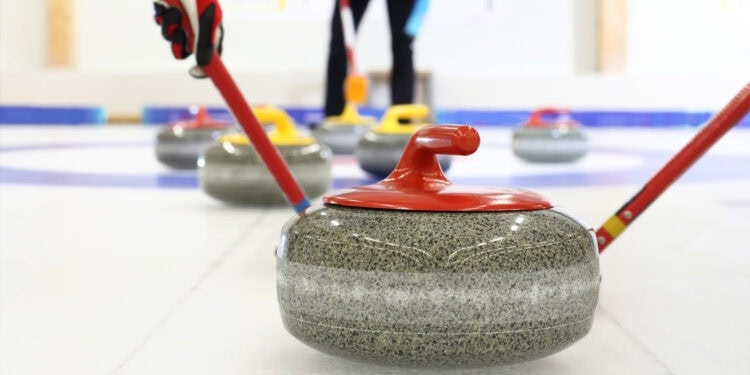
Curling is a winter sport where players slide stones on a sheet of ice towards a target area segmented into four concentric circles. It is often referred to as “chess on ice” due to its strategic nature. Teams take turns sliding heavy, polished granite stones towards the target, aiming to get their stones closest to the center, while also employing tactics to block opponents or knock away their stones.
The study focused on semi-structured interviews with 17 Canadian women, aged 53 to 75, who are actively involved in curling. Conducted virtually due to the COVID-19 pandemic, these interviews aimed to capture the participants’ perspectives on how curling influences their experiences of aging. The participants, who varied in their level of competitiveness and background, shared their thoughts in a detailed manner, which were then analyzed to uncover broader themes about aging in the context of curling.
Many participants expressed a proactive stance against the traditional declines associated with aging, using curling as a strategic medium to maintain physical and cognitive health. The concept of “fitness” and “exercise” frequently emerged in discussions, highlighting a general belief among the participants that staying active through curling could mitigate the undesirable effects of aging. They adopted a philosophy of ‘use it or lose it’, emphasizing the need to stay active to preserve both physical abilities and mental acuity.
Despite their efforts to combat aging, the participants acknowledged and accepted that some aspects of aging are inevitable. Curling was highly regarded for its inclusivity and adaptability, making it accessible to individuals with varying physical capabilities. The sport supports modifications like stick curling and wheelchair curling, which enable continued participation despite physical limitations.
“Generally, older adulthood is viewed as a period of mental, social, and physical stagnation,” Mazhar told PsyPost. “Our work, and research in this field at large, shows an opposing narrative, one where this period of life is rich and vibrant. For example, our findings indicate that by virtue of participating in sport, older women were motivated to improve their physical and mental health, wanted to learn new skills and have more experiences, and create meaningful connections. This is one way of living a full life in our older years and is something we ought to aspire to.”
Beyond managing physical and cognitive health, curling allowed these women to reshape their perceptions of what it means to be older. They viewed aging not as a decline but as a vibrant phase of life filled with opportunities for personal growth, competition, and deepening social connections.
The sport provided a platform for these women to challenge the conventional narratives of aging, presenting it as a time rich with potential for new experiences and achievements. Competitive elements of curling were especially potent, enabling participants to strive for goals and enjoy victories in their category, thus fostering a sense of achievement and vitality.
“One of our major findings was that older women enjoy the competitive aspect of sport,” Mazhar explained. “Typically, sports for older adults have been perceived as recreational, with competition often overlooked or even discouraged. However, our work builds on previous research which challenges this assumption, indicating that older adults, in this case older women, value and enjoy the competitive element of sports. This suggests an opportunity to reframe the narrative around sports for older individuals, potentially using competition as a motivational tool to encourage their participation.”
As with any study, there are some limitations to consider. The sample was relatively homogenous—mostly white and well-educated, which may not represent all older Canadian women’s experiences. The study also coincided with the COVID-19 pandemic, potentially coloring participants’ views on curling and social interactions.
Future research should aim to include a more diverse group of participants, including different cultural and linguistic backgrounds, and perhaps expand the age range to capture a broader spectrum of the aging experience. Additionally, exploring the distinctions between recreational and competitive curling could yield deeper understandings of how competitive elements influence aging perceptions.
“This is one study and so we need more work in this area to replicate and confirm our findings,” Mazhar said.
The study, “Perceived Benefits of Curling in Older Canadian Women,” was authored by Alia Mazhar, Shruti Patelia, and Joseph Baker.