A recent study published in Injury Epidemiology uncovers a troubling sentiment: a small yet notable segment of the U.S. population believes that a new civil war is necessary to “set things right.” This belief was more commonly found among certain groups, including “Make America Great Again” (MAGA) Republicans, individuals who hold racist views, and supporters of extreme right-wing political organizations and movements. Despite this, the overall support for civil war remains low, even within these groups.
Previous surveys had already indicated that a significant portion of Americans believed a civil war was likely in the near future. For instance, a 2021 poll found that nearly half of likely voters thought another civil war was possible. Building on these findings, the researchers — led by Garen J. Wintemute, the Baker–Teret Chair in Violence Prevention and Distinguished Professor of Emergency Medicine at the University of California, Davis — sought to explore not just the likelihood of civil war in the minds of the public, but also whether people believed such a conflict was necessary to address the country’s problems.
The new study was part of a larger, ongoing investigation into political violence in the United States, specifically focusing on the attitudes and beliefs surrounding the potential for civil conflict. The researchers conducted the second wave of a nationally representative longitudinal survey between May and June 2023.
Participants were selected from the Ipsos KnowledgePanel, an online research panel that uses probability-based sampling to ensure representation of the U.S. adult population. This method involves selecting participants in a way that mirrors the demographics of the wider population, making the findings more generalizable.
The survey was conducted in both English and Spanish to accommodate a diverse participant pool and included a total of 9,385 respondents. The researchers asked participants a series of questions aimed at understanding their views on the likelihood of civil war and the necessity of such a conflict.
Specifically, they asked participants to respond to statements such as “In the next few years, there will be civil war in the United States” to gauge their perception of the likelihood of civil war. To understand how many people believed such a conflict was necessary, participants were asked to indicate their level of agreement with the statement “The United States needs a civil war to set things right.”
In addition to these primary questions, the survey also collected detailed data on the participants’ political affiliations, beliefs about race and ethnicity, attitudes toward violence as a means of achieving social change, and their approval of specific right-wing political organizations and movements, including the Proud Boys, the Oath Keepers, the Three Percenters, QAnon, and the Christian nationalist movement, among others.
While the majority of respondents did not believe that a civil war was necessary, a significant minority—about 3.8%—strongly or very strongly agreed with the statement that “the United States needs a civil war to set things right.” This indicates that, while not a widespread belief, there is a notable segment of the population that harbors extreme views about the need for violent conflict as a solution to the country’s problems.
Further analysis showed that these beliefs were more prevalent among certain groups. For example, respondents who identified as strong Republicans were significantly more likely to believe that a civil war will occur (+6.0%) and that a civil war is needed (+4.4%) compared to the reference group (Undecided/Independent/Other/Leans). On the other hand, strong Democrats were slightly less likely to hold these beliefs, though these differences were not statistically significant.
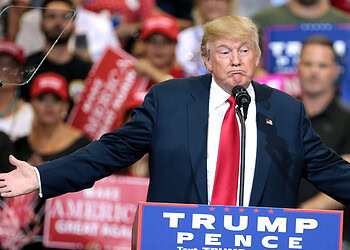
MAGA Republicans showed a notable increase in both beliefs. They were 7.4% more likely to believe a civil war is imminent and 6.3% more likely to believe it is necessary, compared to the reference group. Non-Republicans who identified with the MAGA movement also showed substantial increases in these beliefs.
Similarly, those who endorsed racist beliefs or strongly approved of extreme right-wing political organizations and movements also showed higher levels of support for the idea of civil conflict. These findings suggest that the perceived need for a civil war is tied to specific ideological positions and affiliations, particularly those associated with the far right.
Respondents who were more willing to commit political violence themselves were also more likely to believe that civil war was necessary. For instance, those who expressed a willingness to damage property, threaten others, or even kill to achieve political objectives were much more likely to believe both that a civil war is likely (+28.3%) and that it is needed (+28.3%).
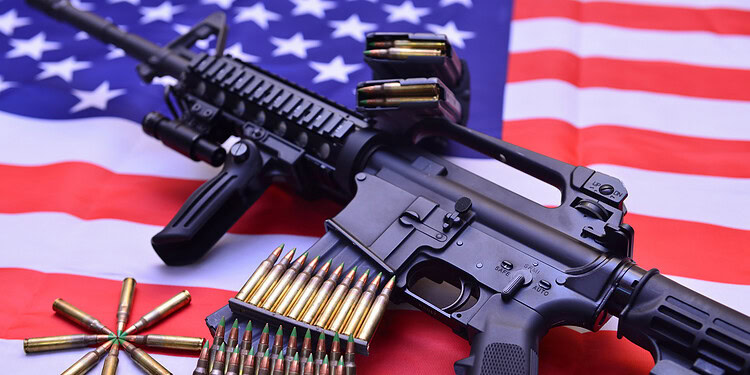
In addition to these findings, the study identified differences in beliefs about civil war based on firearm ownership. While there were only small differences between firearm owners and non-owners, certain subgroups of gun owners, particularly those who owned assault-type rifles or carried firearms in public frequently, were more likely to support the idea of civil conflict.
The study also explored respondents’ views on what a future civil war might look like. A large majority (83.1%) of those who believed a civil war was likely thought it would take the form of an insurgency or guerrilla warfare, rather than large-scale battles between organized armies.
The findings highlight the importance of addressing the root causes of political extremism and violence. While only a small percentage of Americans believe that a civil war is necessary, this minority is not insignificant, especially given the potential consequences of even a small group acting on these beliefs.
But it is possible that the study’s findings understate the true level of support for civil war in the United States. “External events (or their absence) may have affected our findings,” the researchers noted. “The survey closed just before the federal criminal indictment of Donald Trump was handed down; support for violence to return him to the White House increased immediately thereafter; expectations of and support for civil war might have as well.”
The study, “Expectations of and perceived need for civil war in the USA: findings from a 2023 nationally representative survey,” was authored by Garen J. Wintemute, Yueju Li, Bradley Velasquez, Andrew Crawford, Paul M. Reeping, and Elizabeth A. Tomsich.