Recent research published in the journal Developmental Cognitive Neuroscience has provided significant insights into the development of anxiety in girls and young women. The study reveals a correlation between anxiety and the balance of two critical brain chemicals, gamma-aminobutyric acid (GABA) and glutamate.
Specifically, it finds that an imbalance, characterized by increased levels of GABA and decreased levels of glutamate in the dorsolateral prefrontal cortex, is associated with higher anxiety levels. This discovery sheds light on the neurochemical pathways underlying anxiety and opens new avenues for potential treatments targeting these imbalances in young females.
Anxiety disorders are among the most common psychiatric conditions, affecting a significant portion of the global population. They can manifest in various forms, including generalized anxiety disorder (GAD), panic disorder, social anxiety disorder, specific phobias, and others. Symptoms may vary widely among individuals but commonly include persistent worry, nervousness, restlessness, and physical symptoms such as heart palpitations, sweating, and trembling.
Anxiety disorders are particularly prevalent among females, prompting a need for targeted research into their underlying mechanisms. Prior studies had suggested that GABA and glutamate play significant roles in the brain’s regulatory systems involved in emotion and anxiety. However, the precise nature of these roles and how imbalances in these chemicals contribute to anxiety, especially during the critical developmental phase of adolescence, remained unclear.
In total, 81 participants were enrolled in the study, all of whom were neurologically healthy individuals without any past or present psychiatric diagnoses, neurodevelopmental conditions, or mental health difficulties. Participants in the study were divided into two distinct age groups to capture a range of developmental stages: a younger cohort consisting of girls aged 10 to 12 years, and an older group of young women aged 18 to 25 years.
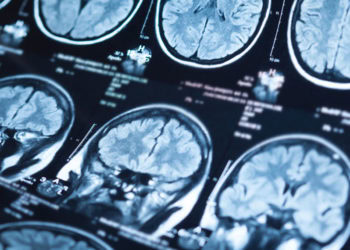
Participants underwent brain scans using magnetic resonance spectroscopy imaging (1H-MRS), a technique that allows for the in vivo measurement of GABA and glutamate levels in specific regions of the brain implicated in the regulation of emotions.
In addition to the neuroimaging, participants completed a series of questionnaires designed to measure various dimensions of anxiety, including trait anxiety, social anxiety, and depression. These self-report tools were selected to provide a comprehensive assessment of the participants’ psychological state, complementing the neurochemical data obtained through the brain scans.
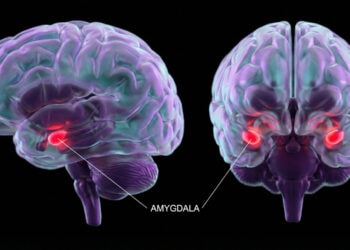
The study found that as participants aged, levels of GABA increased while levels of glutamate decreased within the dorsolateral prefrontal cortex, a key brain region involved in emotion regulation. This imbalance was associated with increased levels of anxiety, providing empirical support for the neural over-inhibition hypothesis of anxiety. This hypothesis suggests that an excess of inhibitory activity in the brain, driven by GABA, can lead to heightened anxiety by over-regulating higher-level cognitive functions.
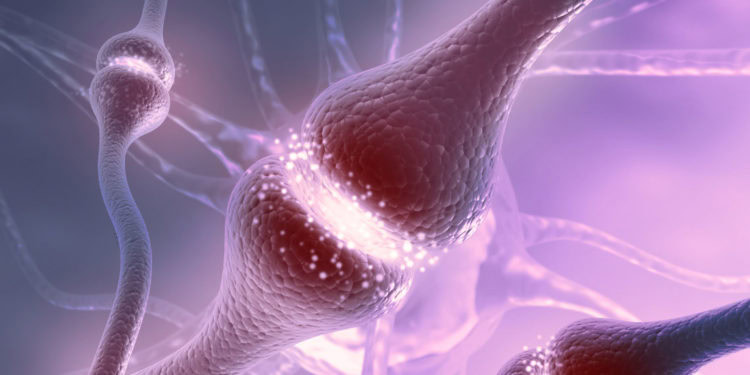
“Our research indicates that the equilibrium between GABA and glutamate in the dorsolateral prefrontal cortex serves as a vital indicator of anxiety levels,” explained study author Nicola Johnstone, a research fellow at the University of Surrey. “While glutamate propels brain activity, GABA acts as a brake. Our findings suggest that anxiety, often characterised by impaired rational thought, is intricately linked to the overactive braking system in the brain.”
“Grasping how key brain chemicals, GABA and glutamate, fluctuate during important growth stages like adolescence is vital for spotting and stopping anxiety disorders early,” added co-author Kathrin Cohen Kadosh, a reader in Developmental Cognitive Neuroscience. “This study shines a light on the possibility of focusing on these brain chemicals for new treatments, particularly in young women.”
While the study offers promising insights, the researchers acknowledge several limitations. The study’s cross-sectional design means it can demonstrate associations but not causality. Additionally, the sample was limited to healthy young females, and findings may not be generalizable to males or individuals with existing mental health conditions.
Future research should include longitudinal studies to track neurochemical changes over time and explore the impact of these changes on the development of anxiety. Investigating the role of these neurochemicals in clinical populations could further validate the findings and inform the development of targeted interventions.
The study, “Excitatory and inhibitory neurochemical markers of anxiety in young females,” was published online on March 2, 2024.