 In a surprising new finding, a Northwestern Medicine® study has found a common molecular vulnerability in autism and fetal alcohol spectrum disorder. Both disorders have symptoms of social impairment and originate during brain development in utero.
This the first research to explore a common mechanism for these disorders and link their molecular vulnerabilities.
The study found male offspring of rat mothers who were given alcohol during pregnancy have social impairment and altered levels of autism-related genes found in humans. Female offspring were not affected.
Alcohol Damage is Reversible
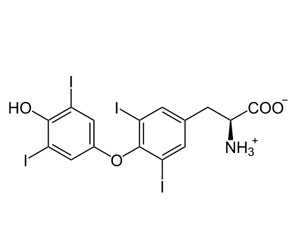
But the alcohol damage can be reversed. A low dose of the thyroid hormone thyroxin given to alcohol consuming rat mothers at critical times during their pregnancy alleviated social impairments and reversed the expression of autism-related genes in their male offspring, the study reports.
Could Novel Drug Treat Both Disorders?
“The beneficial effects of thyroxin in this animal model raises an exciting question — whether novel drug targets and treatments could be developed for both these disorders,” said Eva Redei, the senior author of the study and professor of psychiatry and behavioral sciences at Northwestern University Feinberg School of Medicine.
The study will be published June 13, 2013 in the journal Alcoholism: Clinical & Experimental Research.
Redei stressed caution in interpreting these results for their relevance to treatments in human fetal alcohol spectrum disorder and autism spectrum disorder.
“Human studies are needed to establish that the parallel we saw in the animal model exists in these diseases,” Redei said. The study does not mean alcohol consumed by the mother is the cause of autism, she emphasized.
“The novel finding here is that these two disorders share molecular vulnerabilities and if we understand those we are closer to finding treatments,” said Redei, also the David Lawrence Stein Professor of Psychiatric Diseases Affecting Children and Adolescents.
Redei decided to investigate a possible link between the two disorders when she observed similarities between the two. Both are neurodevelopmental, have symptoms of social impairment and affect males more or differently than females. Autism affects males versus females in a nine to one ratio; social impairment in this model of alcohol spectrum disorder is male specific.
In a previous study, Redei and colleagues administered a much larger dose of thyroid hormone to alcohol consuming rat mothers during their pregnancy and found that the male offsprings’ learning and memory deficit was reversed by this treatment.
In the current study, Redei wanted to find the smallest dose of thyroid hormone that effectively reverses the behavioral consequences of fetal alcohol spectrum disorder.
“We wanted to find the smallest dose to correct the behavioral abnormalities that wouldn’t create an overly high level of thyroid hormones during development, which can be detrimental,” Redei said.
Thyroid Hormone Prevents Deficit in Genes and Social Behavior
In the study, Northwestern scientists administered alcohol to pregnant female rats. Then they examined the levels of ten genes known to be vulnerability genes in human autism in the brains of the male offspring. They found the levels of those same genes were affected.
To test the offspring’s behavior, the rats were put in a cage with a small, non-threatening rat pup. A normal social interaction is for the rat to spend a lot of time sniffing and engaging the pup. These rats, however, hardly sniffed the pups compared to the control rats, indicating their impaired social behavior.
In a second experiment, low doses of thyroxin were administered to alcohol consuming pregnant rats. When their male offspring subsequently were put in a cage with a rat pup, the offspring exhibited normal sniffing behavior and their brains showed normal levels of the autism-related genes.
“The thyroxin reversed the deficit both in the level of their genes and their social behavior,” Redei said.
Elif Tunc-Ozcan, the lead study author and a graduate student in Redei’s lab, is researching how prenatal thyroid hormone supplementation reverses the behavioral deficits in the fetal alcohol spectrum disorder model.
“If our study proves to be relevant to human fetal alcohol spectrum disorder and, perhaps, even for autism spectrum disorder, it could help those suffering from these disorders,” Tunc-Ozcan said.