
Scientists discover a previously unknown cognitive benefit of aerobic exercise
Scientists have found that a brief session of moderate cycling protects the brain's automatic recalibration process. The study highlights how acute exercise helps the nervous system maintain its ability to adjust movements without conscious effort.
Read moreDetails
Wealthier children score higher on intelligence, but quality parenting levels the playing field
Children from higher-income families show greater fluid intelligence, a new study finds. However, researchers discovered that increased parental time and positive parenting can effectively bridge this developmental gap, especially for disadvantaged youth.
Read moreDetails
Green tea compound shows promise in protecting the brain from obesity-related damage
A compound found in green tea might protect the brain from memory loss and structural damage caused by obesity. New research shows the compound reduces inflammation and triggers a cellular recycling process that preserves brain volume.
Read moreDetails
Six months of action gaming alters brain networks and improves visual attention
Long-term action video game training might do more than just improve your gaming skills. A new study reveals how six months of digital combat reshapes resting brain waves and whole-brain connectivity to boost visual attention.
Read moreDetails
Cognitive abilities predict how well people manage their emotional responses
A recent study reveals that accumulated life knowledge helps adults manage their emotions across various situations, while fast mental processing speed is primarily linked to successfully reducing negative feelings like sadness and disgust.
Read moreDetails
A simple 30-minute daily routine may help slow cognitive decline
A 12-week program requiring older adults to read out loud, write by hand, and solve basic math problems for 30 minutes a day resulted in measurable improvements on cognitive tests.
Read moreDetails
People who feel lonely show altered brain activity when processing internal physical signals
A recent study indicates that loneliness alters how we perceive internal physical signals. Lonely individuals tend to distrust their bodily sensations and show reduced brain responses to their heartbeats, offering a physiological explanation for the distress of isolation.
Read moreDetails
Eye tracking reveals the hidden power of painted hands
A new eye-tracking experiment reveals that the pointing gestures painted into classic artworks secretly act as guides for human vision. Even though viewers barely look at the painted hands, these small details completely reshape how we understand the artwork.
Read moreDetails
Migraines are linked to accelerated brain aging in regions tied to memory and emotion
Migraines are more than just painful headaches. A new study reveals that the condition is linked to accelerated brain aging, with structural changes appearing in regions responsible for memory, attention, and emotional regulation.
Read moreDetails
How five psychological traits predict a person’s breaking point
A novel psychological framework provides a way to measure a person's risk of profound mental exhaustion. By evaluating five core elements of resilience, researchers can accurately predict whether someone is thriving or nearing total existential collapse.
Read moreDetails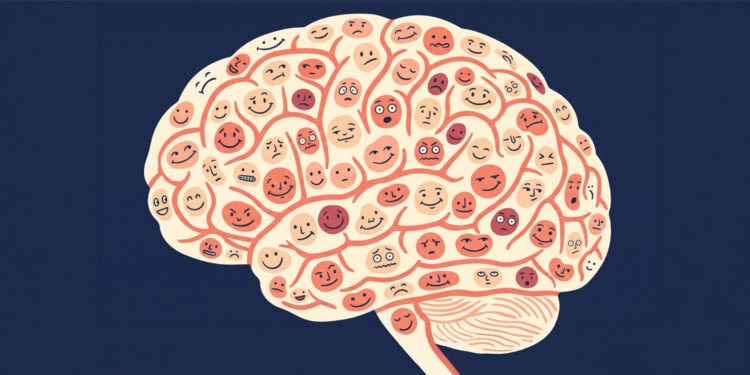
101 fun facts about the mind and brain, according to science
The human mind is stranger than you think. Here are 101 fun findings from psychology and neuroscience research, on memory, sleep, perception and personality.
Read moreDetails
New space station study reveals a hidden side effect of long-term microgravity on the human brain
Astronauts are notoriously slow and deliberate when moving in space. But a new study from the China Space Station reveals it’s not just about safety—microgravity actually tricks the human brain into underestimating its own body mass.
Read moreDetails
Spicy food can reduce extreme physical pain
A burning mouth might offer temporary relief from physical injuries, according to a recent trial. Researchers discovered that eating spicy food can act as a mild painkiller, dampening the brain's response to intense physical discomfort.
Read moreDetails
Willpower is linked to eco-friendly habits, but short-term boosts in self-discipline fall short
People with naturally high self-control generally maintain more eco-friendly habits. However, new longitudinal research reveals that short-term bursts of willpower do not instantly improve green routines, suggesting society should focus on designing effortless environmental systems instead.
Read moreDetails
Scientists reveal what is actually happening to your body when you let out a random sigh
A recent study reveals that spontaneous sighs do more than express boredom. They act as a physical reset button, restoring natural breathing rhythms and triggering a burst of physiological arousal during monotonous tasks.
Read moreDetails