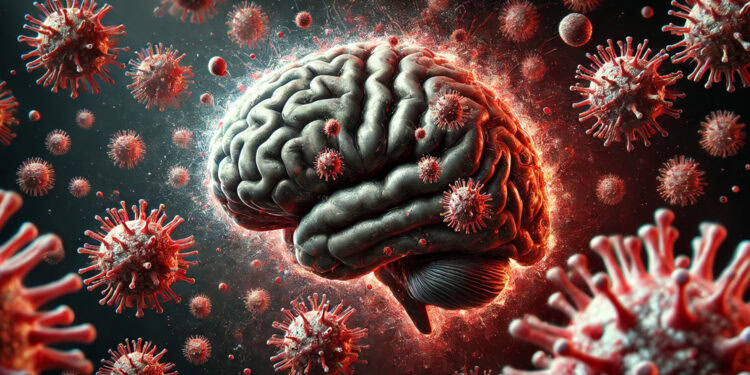
Long COVID fatigue tied to brain connectivity patterns, study finds
A recent study found that fatigue in Long COVID is linked to distinct patterns of brain connectivity, particularly in the frontal and cerebellar regions, with mental and physical fatigue showing different connectivity patterns, suggesting unique neural mechanisms for each.
Read moreDetails
Long-term cognitive and psychiatric symptoms persist in COVID-19 patients even years after hospitalization
A recent study indicates that many individuals who were hospitalized with COVID-19 continue to experience cognitive and psychiatric issues two to three years after their infection.
Read moreDetails
Narcissism’s role in pandemic behavior might be more complex than previously thought
New research suggests different forms of narcissism influenced pandemic behaviors differently, with some types leading to antisocial actions like hoarding or conspiracy belief endorsement, while others promoted prosocial behaviors, such as following health guidelines.
Read moreDetails
SARS-CoV-2 evolves faster in the brain, shedding light on long COVID
The COVID-19 virus mutates faster in the brain than in the lungs, potentially explaining neurological symptoms like brain fog. These mutations may help the virus adapt, raising concerns about the evolution of new variants.
Read moreDetails
Benevolent sexism as a buffer against parenting stress during COVID-19 lockdowns
A study found that parents with higher pre-pandemic benevolent sexism experienced lower parenting strain and psychological distress during the first COVID-19 lockdown, but by the second lockdown, these protective effects persisted only for fathers, not mothers.
Read moreDetailsCOVID-19 fears drove perception of Republicans as disease carriers, even among other Republicans
During the early COVID-19 pandemic, Americans, regardless of political affiliation, perceived Republicans as greater infection risks, leading to increased disgust and avoidance. This highlights the behavioral immune system's quick adaptation to new cues of infectiousness.
Read moreDetails
Severe COVID-19 infection might cause changes in brain metabolism, study finds
Severe COVID-19 survivors had lower brain levels of creatine and N-acetylaspartate, and higher choline-to-creatine ratios, indicating potential long-term neurological impacts.
Read moreDetails
New research sheds light on the psychological benefits of the “Great Reconnection”
Reconnecting during the pandemic with deep and broad self-disclosure was associated with reduced depression and loneliness, according to a recent study.
Read moreDetails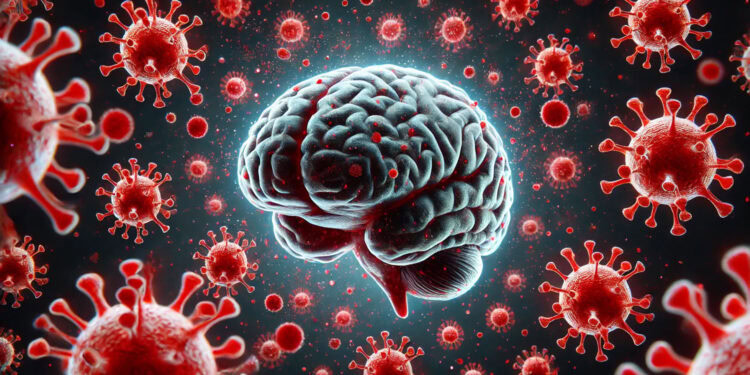
Scientists observe lasting cognitive deficits in long COVID patients
Researchers found significant cognitive impairments, particularly in attention, executive function, and verbal memory, lasting at least six months in long COVID patients, along with mental health challenges.
Read moreDetails
Loneliness triggers social and temporal disorientation, study suggests
A recent study found that during the pandemic, social isolation made many people feel confused about time and disoriented in social situations, with younger individuals being the most affected.
Read moreDetails
People with better relationships and more children tend to find life more meaningful
Individuals with more children and higher romantic relationship quality tend to perceive life as more meaningful, with this association being stronger in men. Additionally, greater meaning in life is linked to religiosity and social connectedness.
Read moreDetails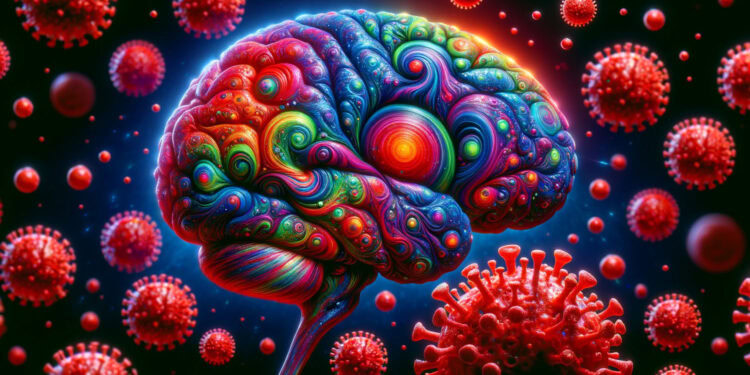
Long-COVID defeated by psychedelics? Case study details unusual recovery
A 41-year-old woman with Long-COVID reportedly experienced significant symptom relief after using psilocybin and MDMA, but the effectiveness and safety of these psychedelics for Long-COVID remain uncertain and require further research.
Read moreDetails
New psychology research upends traditional views on conspiracy beliefs and vaccine hesitancy
While conspiracy theories can increase hesitancy, there is stronger evidence that initial vaccine hesitancy often leads to the adoption of conspiracy beliefs, suggesting a dynamic rationalization process over time.
Read moreDetails
Mask appeal: How COVID-19 safety measures shaped online dating preferences
A study during COVID-19 found online dating profiles featuring individuals wearing masks more attractive than those without. Vaccination status had a lesser impact on preferences.
Read moreDetails
Therapy before COVID-19 offered protective shield against pandemic anxiety, research suggests
Individuals who received anxiety therapy before the rise of COVID-19 demonstrated resilience during the pandemic, managing anxiety better during the crisis than the general population. This underscores the protective power of therapy in equipping people with coping skills.
Read moreDetails
- Why mobile game fail ads make you want to download the app
- The science of sound reduplication and cuteness in product branding
- How consumers react to wait time predictions from humans versus AI chatbots
- The psychology of persuasion: When to use a friendly face versus a competent expert
- How CEO narcissism shapes company strategy