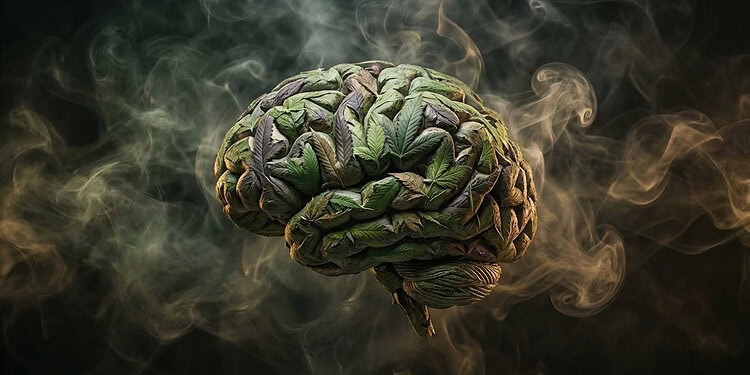
A massive review reveals cannabis falls short in treating psychiatric disorders
Researchers examined 54 clinical trials to see if cannabis helps treat mental health or addiction issues. They found minimal proof of benefit, alongside a higher risk of mild side effects like dizziness and nausea.
Read moreDetails
A common antidepressant shows promise for treating post-orgasmic illness syndrome
Post-orgasmic illness syndrome is a rare condition that causes extreme exhaustion and muscle pain after ejaculation. A newly published case report suggests that altering brain chemistry with a standard antidepressant might provide a much-needed therapeutic option.
Read moreDetails
Cannabidiol may help treat severe alcohol addiction and protect the brain from damage
A non-intoxicating compound in cannabis could offer a breakthrough treatment for alcohol use disorder. New research shows CBD significantly reduces withdrawal symptoms, blocks cravings, and physically protects the brain from alcohol-induced cell death.
Read moreDetails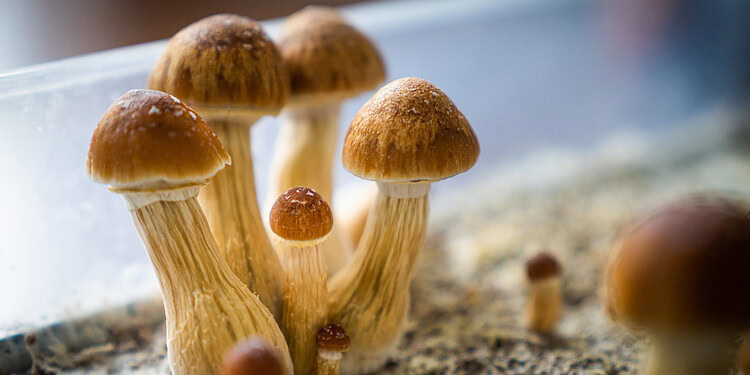
Psilocybin might not be the most psychoactive ingredient in magic mushrooms, new research suggests
Published in Scientific Reports, new research provides evidence that minor compounds in psychedelic mushrooms work alongside psilocybin to interact with brain receptors. This chemical teamwork explains why whole mushroom extracts often affect people differently than isolated, lab-made psilocybin.
Read moreDetails
Ashwagandha shows promise as a treatment for depression in new rat study
New research shows the herbal supplement Ashwagandha can ease depressive symptoms in adolescent rats exposed to chronic stress. The herb protected brain cells from damage and prevented stress-induced weight loss better than a standard antidepressant drug.
Read moreDetails
Researchers identify personality traits that predict alcohol relapse after treatment
A person's basic personality traits might help predict if they will start drinking again after alcohol withdrawal. A new study shows that people with a strong desire for new experiences are more likely to relapse within three months.
Read moreDetails
Two to three cups of coffee a day may protect your mental health
A new analysis of hundreds of thousands of adults reveals that drinking moderate amounts of coffee is linked to a lower risk of developing anxiety and depression, though excessive consumption may reverse those benefits.
Read moreDetails
New analysis shows ideology, not science, drove the global prohibition of psychedelics
Archival records reveal that the 1971 global ban on psychedelics was fueled by Cold War politics and media sensationalism, not medical science. This historical analysis suggests international drug laws should be updated to reflect actual scientific evidence.
Read moreDetails
A single dose of DMT reverses depression-like symptoms in mice by repairing brain circuitry
A recent study in Translational Psychiatry shows that one dose of DMT reversed loss of pleasure and cognitive deficits in stressed mice. The psychedelic promoted new brain cell growth, highlighting its potential as a rapid-acting antidepressant.
Read moreDetails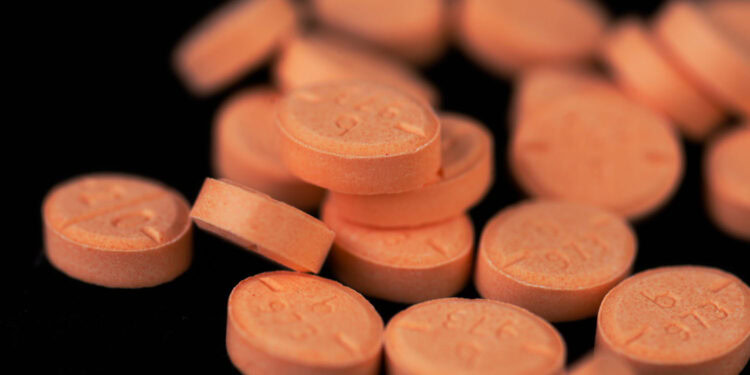
Long-term ADHD medication use does not appear to permanently alter the developing brain
A new four-year study brings reassuring news to parents: taking stimulant medications like Ritalin during childhood does not permanently alter brain development, suggesting that initial adaptations to the drug are only temporary.
Read moreDetails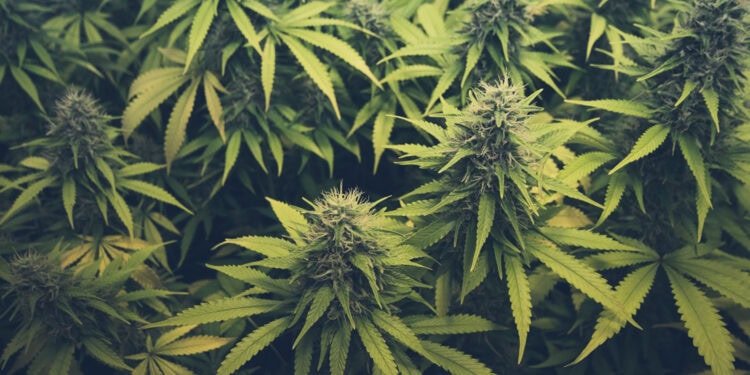
Using cannabis to cut back on alcohol? Your working memory might dictate if it works
Many people use cannabis to help cut back on drinking. However, a new study reveals that smoking THC only reduces alcohol cravings for individuals with average or high working memory, leaving those with poorer cognitive control without this benefit.
Read moreDetails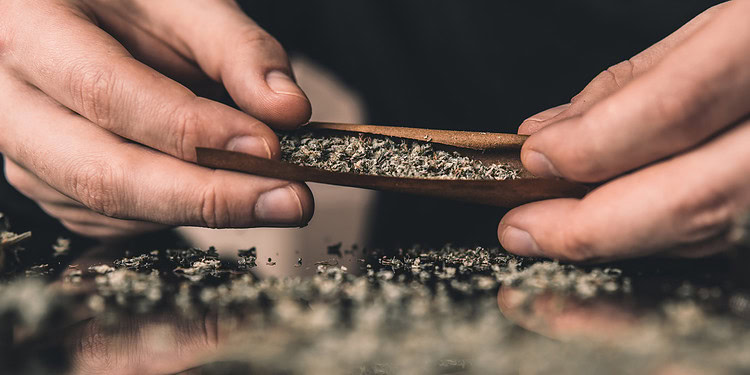
Exploring the motivations for cannabis use during sex
Exploring the overlooked aspects of substance-related sexuality, a new analysis of young adults demonstrates how cannabis serves to heighten physical pleasure and intimacy.
Read moreDetails
A single dose of cocoa flavanols improves cognitive performance during aerobic exercise
Physical exertion combined with deep concentration can severely slow down human reaction times. A recent trial reveals that taking a dietary supplement derived from cocoa plants helps active individuals retain their mental sharpness during taxing workouts.
Read moreDetails
Scientists discover psychedelic drug 5-MeO-DMT induces a state of “paradoxical wake”
A new study in Communications Biology provides evidence that a psychedelic drug induces a hybrid sleep-wake state in active mice. This unusual brain activity suggests a potential mechanism for how psychedelics might help remodel neural connections.
Read moreDetails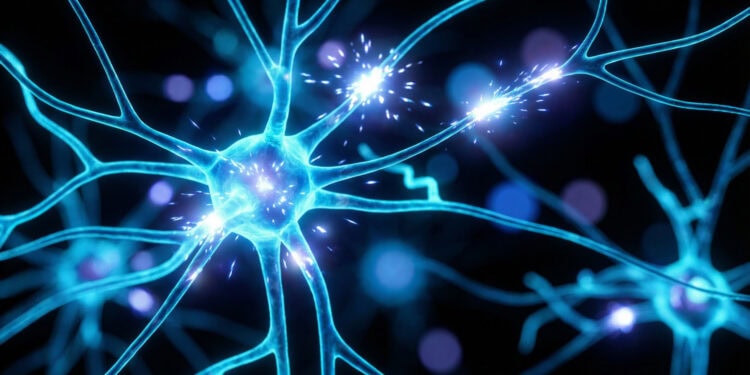
Psilocybin produces different behavioral and brain-altering effects depending on the dose
A new mouse study published in the Journal of Psychopharmacology provides evidence that psilocybin selectively enhances the brain's ability to rewire itself. The research suggests that optimizing specific doses could help tailor treatments for different psychiatric symptoms.
Read moreDetails