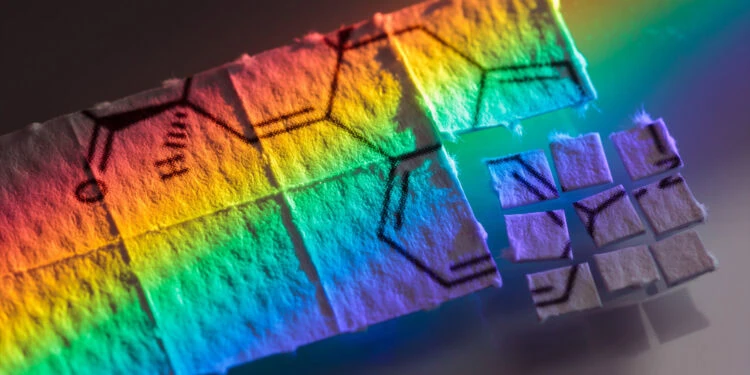
LSD microdosing linked to acute mood improvements in adults with depression
A new pilot study suggests that taking small, sub-perceptual doses of LSD could temporarily boost feelings of creativity and social connection in individuals with major depression. However, researchers caution that placebo-controlled trials are still needed.
Read moreDetails
Psychedelic therapy and traditional antidepressants show similar results under open-label conditions
Recent research is dampening the hype around psychedelic therapy. By adjusting for how clinical trials are designed, scientists found that drugs like LSD and psilocybin offer similar depression relief to traditional antidepressants, rather than vastly superior results.
Read moreDetailsLow doses of LSD alter emotional brain responses in people with mild depression
A double-blind trial suggests that microdosing the psychedelic drug LSD can reverse blunted neurological responses to emotional rewards, potentially offering targeted biological interventions for individuals struggling with mild to moderate depression.
Read moreDetails
Surprising new research links LSD-induced brain entropy to seizure protection
Scientists have found evidence that LSD inhibits status epilepticus and mortality in mice. The preliminary research suggests the drug works by desynchronizing brain activity.
Read moreDetails
Recent LSD use linked to lower odds of alcohol use disorder
While clinical trials investigate psychedelics for addiction treatment, new population-level research indicates that LSD is associated with reduced alcohol use disorder in naturalistic settings.
Read moreDetails
LSD might have a small positive effect when used to treat substance use disorders
A new meta-analysis suggests LSD has a small but significant positive effect on substance use disorders. The review found inconclusive evidence for its use in treating anxiety or depression, highlighting a split in its therapeutic potential.
Read moreDetails
Neuroscientists just rewrote our understanding of psychedelics with a groundbreaking receptor-mapping study
A groundbreaking study has revealed that classical psychedelics affect far more than just serotonin. By mapping how 41 compounds interact with brain receptors, researchers challenge long-held assumptions and open new directions for psychedelic science and therapeutic development.
Read moreDetails
Flipping two atoms in LSD turned it into a powerful treatment for damaged brain circuits
A new study introduces JRT, a modified version of LSD that promotes brain cell growth without triggering hallucinations. Researchers say this non-hallucinogenic compound could offer safer treatment options for schizophrenia and related brain disorders where psychedelics are typically contraindicated.
Read moreDetails
New study shows LSD changes brain connectivity in unique ways compared to MDMA and amphetamines
A new brain imaging study finds LSD alters brain connectivity in unique ways, setting it apart from MDMA and amphetamine despite some shared effects.
Read moreDetailsStudy finds microdosing LSD is not effective in reducing ADHD symptoms
Microdosing LSD has no clear benefit for ADHD, according to a new placebo-controlled clinical trial published in JAMA Psychiatry.
Read moreDetails
Psychedelics use is linked to lower odds of frequent bad headaches
A study of British adults found that those who had used psychedelics were 25% less likely to report frequent bad headaches, adding to growing research on psychedelics’ potential medical benefits.
Read moreDetails
Relaxation — not mystical experiences — emerges as best predictor of psychedelic therapy’s impact in surprising new study
Recent research found that psychedelic-assisted therapy reduced depressive symptoms, with relaxation during sessions being the strongest predictor of improvement.
Read moreDetails
New research reveals distinct cognitive effects of psychedelics and MDMA
Psychedelics impair attention and decision-making during use but may boost creativity afterward. In contrast, MDMA primarily disrupts memory, with no lasting cognitive benefits—highlighting the complex, varied effects of these substances on the brain.
Read moreDetailsLSD reshapes the brain’s response to pain, neuroimaging study finds
LSD alters brain activity and connectivity in key regions associated with pain processing, offering potential insights for pain management and the therapeutic use of psychedelics.
Read moreDetails
Microdosing LSD leads to longer sleep and earlier bedtimes, study finds
Microdosing LSD leads to participants sleeping 24 minutes longer and going to bed 25 minutes earlier, with an 8-minute increase in REM sleep, according to a recent study published in Translational Psychiatry.
Read moreDetails