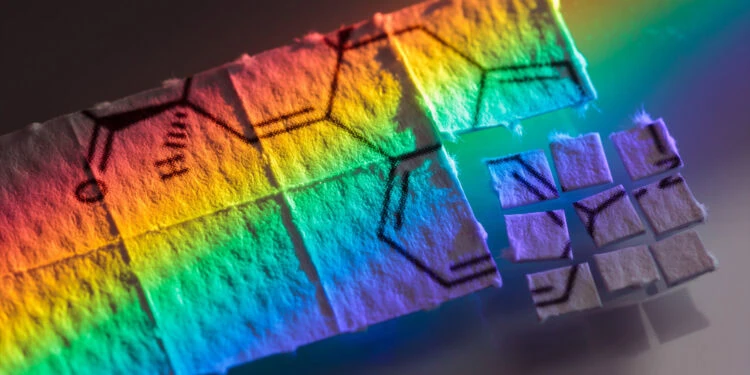
Study finds microdosing LSD is not effective in reducing ADHD symptoms
Microdosing LSD has no clear benefit for ADHD, according to a new placebo-controlled clinical trial published in JAMA Psychiatry.
Read moreDetails
Surge in microdosing interest linked to loosened drug regulations, study finds
Researchers observed a 1250% increase in microdosing-related Google searches from 2015 to 2023, coinciding with the loosening of cannabis and psychedelic regulations, with over three million searches in 2023 alone.
Read moreDetails
Microdosing LSD leads to longer sleep and earlier bedtimes, study finds
Microdosing LSD leads to participants sleeping 24 minutes longer and going to bed 25 minutes earlier, with an 8-minute increase in REM sleep, according to a recent study published in Translational Psychiatry.
Read moreDetails
Psychedelic microdosing: A new frontier for treating ADHD symptoms and emotional dysregulation
A preliminary study published in European Psychiatry found that microdosing psychedelics like LSD and psilocybin may reduce ADHD symptoms and enhance emotional regulation in adults.
Read moreDetails
Microdoses of LSD enhance neural complexity, study finds
LSD increases neural complexity and reduces certain brain wave frequencies, which correlates with feelings of elation, according to new research.
Read moreDetails
Microdosing psilocybin may reduce stress-induced anhedonia
A study on rats suggests that microdosing psilocybin could reduce stress-induced anhedonia and compulsive behaviors without causing anxiety or schizophrenia-like symptoms. This research offers insights into psilocybin's potential as a therapy for mental health disorders, though further human studies are...
Read moreDetailsPsychedelic breakthrough? Microdoses of LSD show antidepressant effects in placebo-controlled study
Researchers at the University of Chicago found that low doses of LSD may have antidepressant effects in individuals with mild to moderate depression. This groundbreaking study opens new possibilities for alternative mental health treatments.
Read moreDetails
Microdosing psychedelics shows promise for improving mindfulness in adults with ADHD
Adults with ADHD who practiced microdosing psychedelics reported increased mindfulness after four weeks, according to a study in Frontiers in Psychiatry. The research highlights the need for controlled studies to validate these findings
Read moreDetails
Scientists raise concerns about the potential link between chronic microdosing of psychedelics and valvular heart disease
In recent years, the trend of microdosing psychedelics has gained popularity, with enthusiasts touting a wide range of potential benefits, from enhanced creativity to improved mood and focus. However, a recent scientific review published in the Journal of Psychopharmacology has...
Read moreDetails
Psychedelic microdosing doesn’t actually help people open up emotionally, study suggests
The practice of "microdosing" appears to result in a decrease in emotional diversity, according to new research published in the Journal of Psychedelic Studies.
Read moreDetails
Study on LSD microdosing uncovers neuropsychological mechanisms that could underlie anti-depressant effects
A single, low dose of lysergic acid diethylamide (LSD) can increase reward-related brain activity, according to new research published in Neuropsychopharmacology. The study indicates that the psychedelic drug alters neuropsychological processes that tend to be blunted in patients with depression.
Read moreDetails
Placebo-controlled study suggests that the benefits of psilocybin microdosing can be explained by expectancy effects
Anecdotal evidence suggests that microdosing with psilocybin mushrooms offers mental health benefits. But a recent experimental study suggests that these purported benefits may be driven by users’ expectations. Findings from the placebo-controlled experiment were published in the journal Translational Psychiatry.
Read moreDetails
Psilocybin microdosers display mental health improvement during 1 month period compared to non-microdosers
Psilocybin, the active compound in “magic mushrooms,” has been shown to be a promising treatment for various mental health issues. New research published in Scientific Reports found that people who microdose psychedelics displayed greater improvements in mental health and mood...
Read moreDetailsLSD microdosing does not appear to improve mood or cognitive ability, according to new placebo-controlled study
A new randomized controlled study of LSD microdosing has failed to find evidence that the psychedelic practice results in improvements to mood or cognition.
Read moreDetails
Microdosing zebrafish with LSD shows its potential benefits for humans
Zebrafish might seem an odd choice in studying human health, but they share 70 per cent of their genes with us and are a popular nonhuman organism used by scientists to study biological processes. They are also incredibly social, making...
Read moreDetails