
New study identifies five strategies women use to detect deception in dating
Women use specific strategies to vet potential mates, according to new research. The study highlights "integration" into the family as a primary method for detecting dishonesty in dating contexts.
Read moreDetails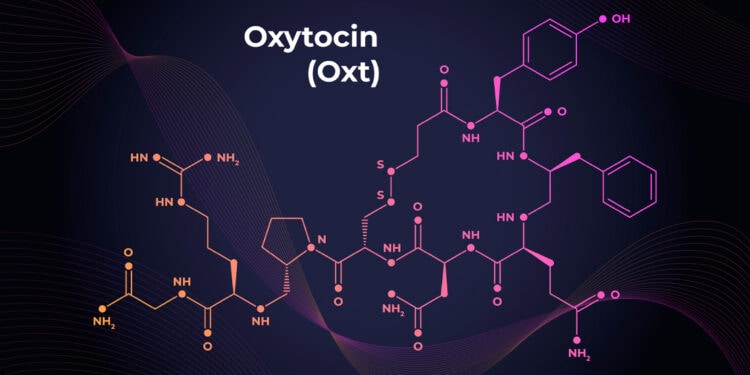
Oxytocin curbs men’s desire for luxury goods when partners are ovulating
A new study suggests men unconsciously avoid status-signaling purchases when their partners are fertile. The research highlights how oxytocin and evolutionary instincts prioritize relationship maintenance over showing off to new mates.
Read moreDetails
People prone to boredom tend to adopt faster life history strategies
Boredom might be a functional trait for those living on the edge. Researchers found that boredom proneness is strongly associated with "fast life history strategies" at both the individual and national levels.
Read moreDetails
New neuroscience research reveals surprising biological link between beauty and brain energy
Beauty may be a biological strategy for saving energy. Scientists found that the human brain and AI models expend less metabolic effort processing images perceived as attractive, suggesting our visual preferences help conserve bodily resources.
Read moreDetails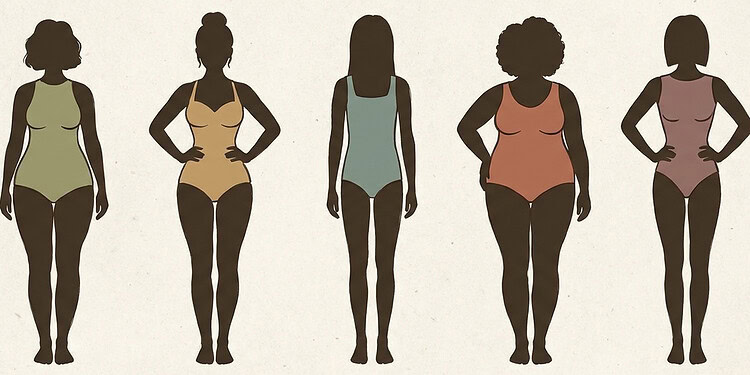
Do feminine body traits predict women’s reproductive success? The evidence is lacking
Researchers have found little evidence to support the theory that feminine morphological traits cue reproductive potential. A new analysis indicates that characteristics like waist-to-hip ratio are not reliable predictors of a woman’s fertility.
Read moreDetails
Childhood instability primes women for “fast” reproductive strategies via psychopathy and impulsivity
A study finds that women raised in unstable environments often develop impulsive or callous personality traits. These characteristics are linked to a “faster” reproductive strategy, resulting in more sexual partners and earlier sexual debut.
Read moreDetails
Men with higher testosterone produce body odor that is perceived as more dominant
A study in Evolution and Human Behavior reports that men with higher testosterone levels have body odor perceived as more dominant, providing evidence that humans respond to chemical signals regarding social rank.
Read moreDetails
Assortative mating develops naturally if mate preferences and preferred mate traits are heritable
Why do we date people who resemble us? Australian researchers suggest it isn't just social pressure. Their computer simulation shows that heritable traits and preferences naturally lead to "assortative mating" without any outside forces.
Read moreDetails
Family-oriented women rely more on social cues when judging potential partners
A new study suggests that women who prioritize parenting and long-term planning are more likely to rely on others' opinions to judge men, particularly when avoiding potential partners with negative reputations.
Read moreDetails
Evidence suggests sex differences in the brain are ancient and evolutionary
New research reveals that hundreds of genes behave differently in male and female brains. These variations appear early in fetal development and may explain why the sexes face different risks for diseases like Alzheimer’s.
Read moreDetails
Women prefer partners with strong personal growth motivation for long-term relationships
Researchers found that women prefer mates who show "growth motivation," meaning a desire to broaden perspectives and develop wisdom. This trait signals maturity and stability, making these men more desirable for long-term commitments.
Read moreDetails
Study examines how self-perceived desirability gaps influence romantic dynamics
People who see themselves and their partners as similarly high in desirability tend to report happier, more committed romantic relationships, according to new findings.
Read moreDetails
Beyond transactions: What new psychology research reveals about true friendship
Psychologists are rethinking friendship, arguing it’s not a transactional exchange. Their "risk-pooling" model shows friends act as a safety net during major crises, a crucial survival strategy that prioritizes loyalty and support over keeping score.
Read moreDetails
Fascinating new research turns the “trophy wife” trope on its head
Contrary to stereotypes, men may actively trade physical attractiveness for status within marriage. Research in Economics & Human Biology indicates that regardless of gender, a spouse typically exercises more and loses weight when their partner’s relative earnings increase.
Read moreDetails
Personality’s link to relationship satisfaction is different for men and women
A new study finds the link between personality and relationship outcomes differs for men and women. The association between extraversion and partnership status, for example, is much stronger for men than for women.
Read moreDetails