
Genetic risk for alcoholism linked to brain immune cell response, study finds
New research shows that microglia—the brain’s immune cells—respond more strongly to alcohol in people with a high genetic risk for alcohol use disorder. The findings offer insight into how inherited factors can shape brain responses to alcohol exposure.
Read moreDetails
N-acetylcysteine does not appear to be effective for cannabis use disorder
In a study of young people with cannabis use disorder, N-acetylcysteine failed to outperform a placebo in reducing cannabis use, suggesting that the supplement may not be effective unless combined with more intensive behavioral interventions like contingency management.
Read moreDetails
Disrupted sleep and circadian rhythms linked to opioid addiction and relapse risk
Sleep and addiction are deeply intertwined, and new research suggests that disrupted circadian rhythms may drive opioid dependence.
Read moreDetails
New study links antisocial behavior in teens to increased substance use by age 17
Prosocial teens are less likely to turn to substances, while antisocial behavior predicts higher risk, a study finds.
Read moreDetails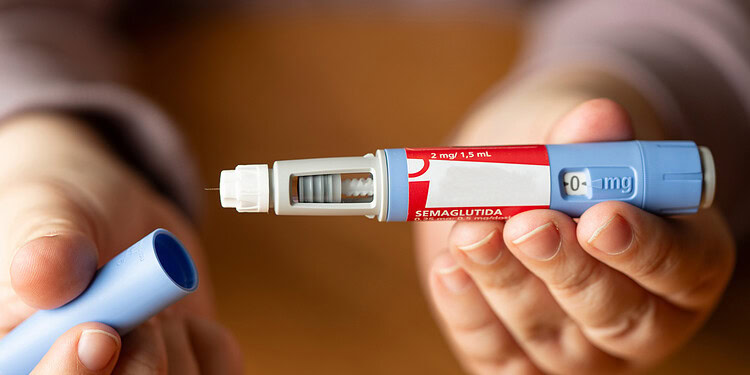
Ozempic may reduce alcohol craving and consumption, new study finds
A small clinical trial finds semaglutide may help people with alcohol use disorder cut back on drinking and reduce cravings.
Read moreDetails
Women with higher self-acceptance are less prone to problematic pornography use
A study on young Chinese women found that higher self-acceptance reduces the risk of problematic pornography use.
Read moreDetails
Magnetic brain stimulation shows promise for tobacco addiction treatment
A five-day repetitive transcranial magnetic stimulation treatment targeting the left dorsolateral prefrontal cortex reduced smoking cravings and restructured brain networks in individuals with tobacco use disorder.
Read moreDetails
Brain differences in childhood predict substance use in later life, study finds
Subtle variations in brain structure during childhood are associated with early substance use, a new study reveals.
Read moreDetails
Taking a break from your smartphone changes your brain, study finds
Even a short digital detox can have a real effect on your brain. Research shows that just three days away from your smartphone changes activity in brain regions related to impulses and rewards.
Read moreDetails
Perceived peer norms, not porn use, associated with negative views of women among college men
It's not just pornography use itself, but college men believing their friends accept rape-themed pornography that links to negative attitudes towards women, a new study finds.
Read moreDetails
Psychiatrists detail bizarre case of SSRI-induced hypersexuality
An unusual case report details a 25-year-old woman developing hypersexuality and compulsive masturbation after her escitalopram dose was increased for depression.
Read moreDetails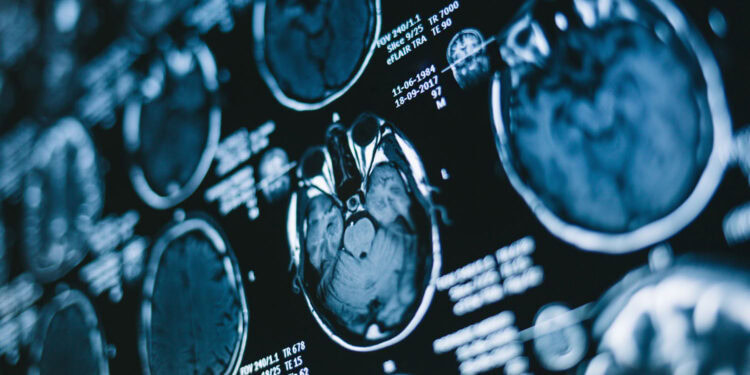
Alcohol use disorder patients show brain structure changes that may underlie emotional distress
A study found that individuals with alcohol use disorder show reduced gray matter in cortical and limbic areas. These brain changes correlate with increased anxiety, depression, and memory deficits.
Read moreDetails
Exercise eases internet addiction in Chinese college students
Can exercise be the cure for internet addiction? A recent meta-analysis suggests that structured physical activities significantly reduce addiction symptoms while boosting mental health.
Read moreDetails
Shared genetic factors uncovered between ADHD and cannabis addiction
A recent study found a strong genetic overlap between ADHD and cannabis use disorder, identifying shared genes active in the brain. These findings suggest genetic risk factors could help predict and prevent cannabis dependence in individuals with ADHD.
Read moreDetails
Individuals with thicker insula brain region take more cocaine when given a chance, study finds
Individuals with thicker insulae and higher caudate gray matter volumes administered more cocaine, with women self-administering more than men. Results suggest links between brain structure and compulsive drug use behaviors.
Read moreDetails