
Economic data reveal the disturbing “echo of anxiety” after fatal school shootings
A new study finds that fatal school shootings have lasting economic impacts far beyond the tragedy itself. Fear and anxiety ripple through communities, leading people to spend less on groceries, restaurants, and other public spaces for months after the shooting.
Read moreDetails
Anxiety and anger may explain how parenting styles shape life satisfaction
Parental bonding may influence happiness well into adulthood, according to a new study. Italian researchers found that overprotective parenting predicted greater anxiety, while caring parenting supported healthier anger control—both of which played roles in shaping overall life satisfaction.
Read moreDetails
New research links heatwaves to depression and anxiety in adolescents, with some at higher risk
A new study finds that teens exposed to stronger heatwaves are more likely to experience mental health symptoms, raising concerns about the psychological impact of climate change on youth.
Read moreDetails
Anxious-depressed individuals underestimate themselves even when they’re right
New research reveals that individuals with symptoms of anxiety and depression struggle to integrate their own moments of confidence into broader self-assessments. This internal bias, rather than poor performance, may drive persistent underconfidence in everyday life.
Read moreDetails
Verbal abuse changes how children’s brains develop, increasing risk of anxiety and depression
New research highlights how childhood verbal abuse can alter brain development, increasing risks for anxiety, depression, and relationship difficulties. Experts warn that harsh language is not harmless—and prevention is key to improving long-term mental health outcomes for future generations.
Read moreDetails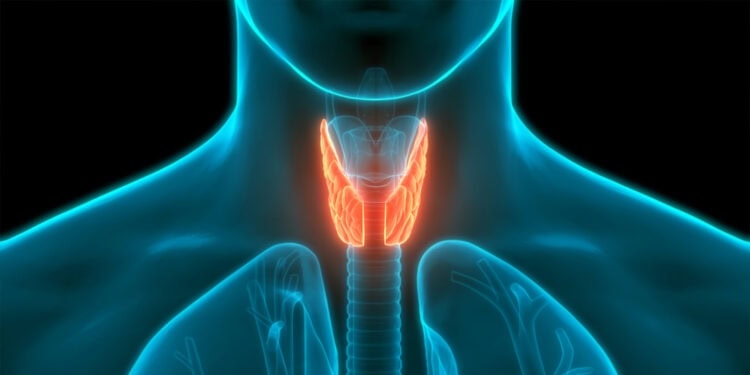
Scientists uncover key role of thyroid hormones in fear memory formation
Thyroid hormones may play a much larger role in emotional memory than previously thought. A new study shows that thyroid signaling in the brain’s fear center is both necessary and sufficient for storing fear memories, with implications for PTSD treatment.
Read moreDetails
Vagal flexibility helps explain which anxious kids improve with therapy
Researchers have discovered that children who show more flexible nervous system responses during social challenges experience greater anxiety relief from intensive therapies. The findings highlight vagal flexibility as a potential predictor of treatment success in preschool-aged children.
Read moreDetails
Passive scrolling linked to increased anxiety in teens, study finds
New research shows that teens who spend more than two hours a day on screens—especially passively scrolling through content—are more likely to report anxiety and emotional or behavioral problems, even when accounting for age, gender, and existing vulnerabilities.
Read moreDetails
Scientists finds altered attention-related brain connectivity in youth with anxiety
A large neuroimaging study has found that generalized anxiety disorder in youth is linked to increased connectivity in brain circuits involved in attention and emotion, and that these patterns may change with symptom remission.
Read moreDetails
Childhood adversity linked to fear overgeneralization and reduced safety learning in teens
Research on adolescents exposed to early trauma reveals impaired fear learning: those with childhood adversity showed less ability to distinguish safety from threat and were more prone to overgeneralize fear, highlighting a possible pathway to future mental health problems.
Read moreDetails
Brain rhythms tied to social anxiety may explain why mistakes linger in memory
A new study suggests that people with social anxiety are more likely to remember faces they saw during mistakes. Brain recordings revealed heightened activity during errors, which predicted stronger memory for those moments—possibly explaining why social anxiety persists.
Read moreDetails
Neuroimaging shows limited value in predicting treatment response in pediatric anxiety
Researchers tested whether brain structure or connectivity could forecast how children with anxiety would respond to therapy—but found little predictive power. Despite using advanced imaging and machine learning, the models failed to identify meaningful patterns linked to treatment outcomes.
Read moreDetails
Impaired identity and negative affectivity predict depression and anxiety symptoms, study finds
New findings suggest that the way we relate to ourselves and others could be closely linked to symptoms of depression and anxiety.
Read moreDetails
Breathing exercises reduce test anxiety in middle school students
Breathing exercises may help students stay calm under pressure. A study in Türkiye found reduced test anxiety among eighth-graders who practiced structured breathwork ahead of a major national exam.
Read moreDetails
Anxiety linked to reduced insight into bodily sensations—especially in women
A new study finds that anxious women may have reduced insight into their own breathing patterns, revealing a gender-specific link between anxiety and body awareness.
Read moreDetails