
Sleep may amplify negative memory bias in anxious youth
Researchers have found that children and young adolescents with higher anxiety tend to generalize negative memories more after sleep, raising questions about how nighttime memory processes could reinforce anxiety-related thought patterns during a sensitive developmental stage.
Read moreDetails
Paternal anxiety during pregnancy and infancy linked to children’s mental health risks
A new study finds that fathers’ anxiety during pregnancy and early infancy is linked to higher risks of emotional and behavioral problems in their children, highlighting the importance of paternal mental health in shaping early developmental outcomes.
Read moreDetails
Lucid dreamers report reduced fear after confronting phobias in their sleep
A new study suggests that lucid dreaming might help people reduce fear by allowing them to confront frightening scenarios in their sleep. Participants who faced their fears during lucid dreams often reported feeling less afraid after waking up.
Read moreDetails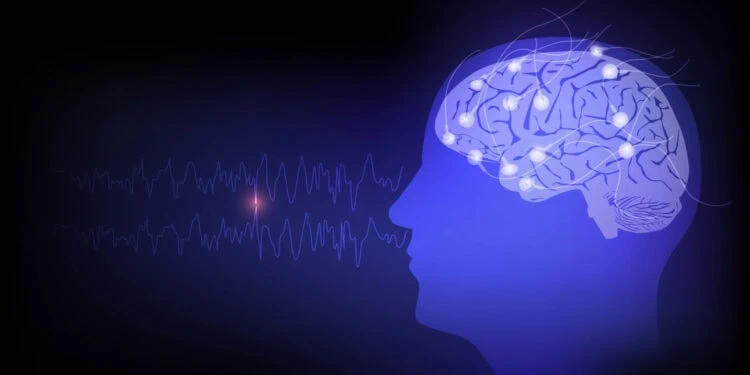
Socially anxious people are better at detecting subtle signs of anger
People with high social anxiety were better at spotting subtle angry expressions and showed stronger brain responses during later stages of processing, suggesting they pay more attention to ambiguous signs of social threat.
Read moreDetails
Social anxiety predicts future loneliness, study finds — but not the other way around
Researchers found that social anxiety symptoms increase the risk of becoming lonely over time. In contrast, people who felt lonely at the beginning of the study were no more likely to develop social anxiety five years later.
Read moreDetails
Parent’s anxiety sensitivity linked to teen’s brain patterns during emotional challenges
A new brain imaging study finds that adolescents with highly anxiety-sensitive parents show distinct neural responses during emotional tasks. The findings suggest that parent traits may shape how children attend to and manage emotional experiences, potentially influencing future mental health.
Read moreDetails
Common antidepressants and anti-anxiety drugs tied to major shifts in gut microbiome composition
A surprising new study reveals a twist in the gut-brain connection. While anxiety and depression are linked to distinct gut bacteria, commonly prescribed medications show an even stronger association with microbiome changes than the mental health conditions themselves.
Read moreDetails
New research shows the psychological toll of the 2024 presidential election
Among young adults, stress from election news was linked to higher risks of depression and anxiety, while pre-election anticipatory stress was linked to depression only. Stress about the election outcome was not associated with either condition.
Read moreDetails
Highly irritable teens are more likely to bully others, but anxiety mitigates this tendency
Social anxiety weakens the link between irritability and bullying in adolescents—irritable teens are less likely to bully others if they also have social anxiety. This moderating effect was not seen with generalized anxiety or other forms of aggression.
Read moreDetails
Study finds “Anxious Mondays” linked to long-term stress and heart health risks in older adults
Researchers have discovered that anxiety felt on Mondays is associated with higher long-term cortisol levels in older adults, suggesting the start of the week may contribute to biological stress in ways that extend far beyond the office.
Read moreDetails
Virtual reality meditation eases caregiver anxiety during pediatric hospital stays, with stronger benefits for Spanish speakers
Researchers at Stanford found that a six-minute guided meditation delivered through a VR headset lowered anxiety levels in parents of hospitalized children. The intervention outperformed standard relaxation methods, with Spanish-speaking caregivers experiencing the greatest benefit.
Read moreDetails
New research reveals emotional control deficits in generalized anxiety disorder
A new study suggests that individuals with generalized anxiety disorder have difficulty focusing on relevant emotional information and shifting attention between emotional tasks, highlighting impairments in affective control that may contribute to chronic anxiety symptoms.
Read moreDetails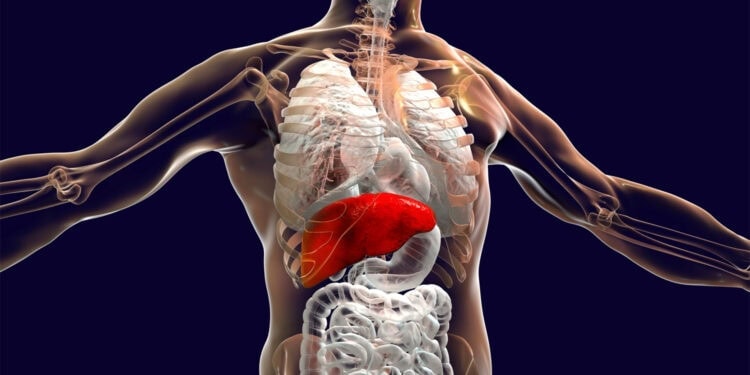
Liver health may influence mental health via inflammation and glutamate levels
A new study suggests that diets high in fat and fructose can damage the liver and trigger anxiety-like behaviors in mice. The research also found that corilagin, a natural compound, reversed many of these harmful effects.
Read moreDetails
Spider fear inflates size perception, highlighting the role of emotion in threat assessment
A new study finds that people afraid of spiders perceive them as larger than they really are, while arachnology experts judge their size accurately. The findings shed light on how emotion and knowledge shape perception of threatening creatures.
Read moreDetails
Anxious minds don’t always fixate on danger, according to new study
A new study challenges long‑held ideas about anxiety and attention. It finds that when motivated, anxious people can shift focus from threats just as quickly as others — suggesting that “dwelling” on threats may be more about circumstance than an...
Read moreDetails