
New neuroscience study links visual brain network hyperactivity to social anxiety
Young adults with high social anxiety show heightened activity in the brain's visual processing areas. These neural changes explain their high alertness to social threats and offer a physical marker for early detection.
Read moreDetails
Standard mental health therapies often fall short for autistic adults, study suggests
A large dataset analysis indicates that standard psychological therapies frequently fail to help autistic patients with depression and anxiety. Researchers found that adapting care to fit neurodivergent needs is necessary to improve patient outcomes.
Read moreDetails
Psychology study shows how a “fixed mindset” helps socially anxious people
New research suggests a surprisingly simple way to ease social anxiety: assume first impressions are permanent. A study found that believing others' opinions won't easily change reduces mental exhaustion and helps socially anxious people navigate interactions with ease.
Read moreDetails
Heightened anxiety sensitivity linked to memory issues in late-life depression
A specific fear of bodily sensations often accompanies depression in older adults. This heightened distress is associated with lower cognitive scores, interrupted sleep, and a reduced overall quality of life, according to a recent study.
Read moreDetails
Scientists trace a neurodevelopmental link between infant screen time and teenage anxiety
Researchers have mapped a pathway connecting infant screen time to teenage anxiety. The study associates early screen exposure with accelerated brain network maturation, which predicts more hesitant decision-making in childhood and greater anxiety in adolescence.
Read moreDetails
A one-month behavioral treatment for social anxiety lowers hostile interpretations of others
People with social anxiety often assume others are being intentionally mean. New research shows that a one-month treatment to reduce social anxiety also successfully lowers this tendency to view the world through a hostile lens.
Read moreDetails
Psychological capital mitigates the impact of interpersonal sensitivity on anxiety in future nurses
A new study reveals that nursing students who are highly sensitive to others’ reactions experience more anxiety. However, building inner psychological resources—like hope and resilience—can effectively protect their mental health and prevent burnout.
Read moreDetails
Alcohol drinking habits predict long-term anxiety differently across age groups
A new longitudinal study suggests that drinking larger amounts per occasion is linked to slightly higher future anxiety. However, frequent, low-quantity consumption is associated with lower anxiety levels in adults over 51.
Read moreDetails
Exercise rivals therapy and medication for treating depression and anxiety
A comprehensive new analysis confirms that physical activity is a highly effective treatment for mental health disorders. The study suggests that aerobic group classes work best for depression, while gentler activities effectively reduce anxiety.
Read moreDetails
Unexpected study results complicate the use of brain stimulation for anxiety
A new study suggests electrical brain stimulation might boost focus in patients with anxious depression, but it comes with a catch. Researchers found the treatment unexpectedly heightened sensitivity to threats rather than calming fear.
Read moreDetailsWhat your fears about the future might reveal about your cellular age
A new study links anxiety about physical deterioration to an accelerated pace of aging, suggesting that specific psychological stressors can physically manifest at the molecular level.
Read moreDetails
Depression and anxiety linked to stronger inflammation in sexual minority adults compared to heterosexuals
Sexual minority adults not only report higher rates of depression but also show distinct biological reactions to it. New findings indicate these mental health struggles are accompanied by increased systemic inflammation.
Read moreDetails
Social anxiety has a “dark side” that looks nothing like shyness
Scientists have identified three distinct profiles of social anxiety in adolescents. One surprising group manifests fear of rejection through aggression and grandiosity rather than avoidance, highlighting the complexity of teen mental health.
Read moreDetails
General anxiety predicts conspiracy beliefs while political anxiety does not
Researchers have discovered that everyday nervousness is linked to conspiracy theory endorsement, while stress regarding elections and polarization is not. This challenges the assumption that political anxiety drives conspiratorial thinking.
Read moreDetails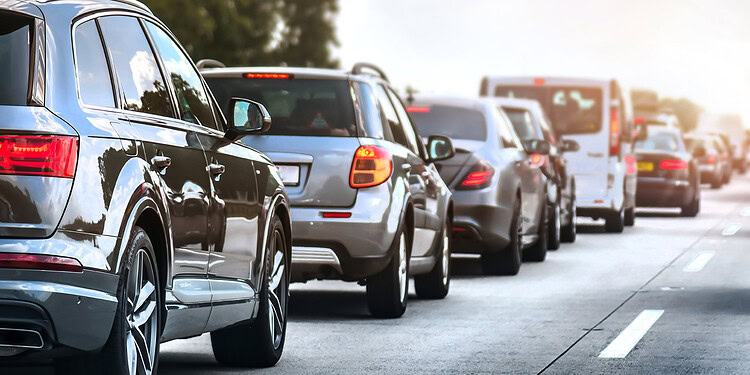
Growing up near busy roads linked to higher risk of depression and anxiety
A large Finnish study following 114,000 young people found that living near busy roads increases the risk of depression and anxiety. The risk starts rising at noise levels commonly found in cities, independent of air pollution.
Read moreDetails