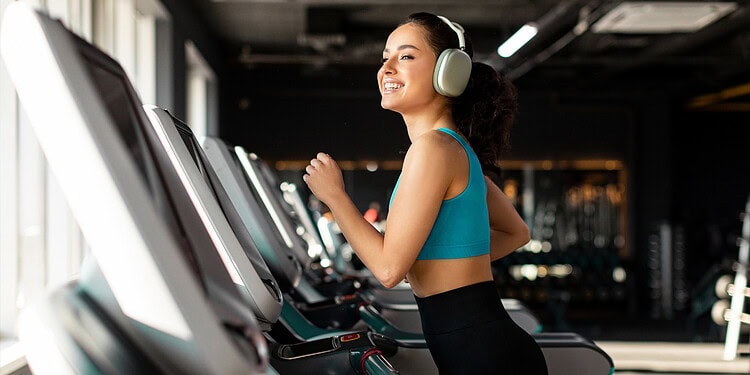
People with better cardiorespiratory fitness tend to be less anxious and more resilient in emotional situations
Can being physically fit protect your mental health? Researchers found that individuals with high cardiorespiratory fitness not only suffer from less daily anxiety, but also stay remarkably calmer when faced with sudden emotional stress.
Read moreDetails
Declining societal religious norms are linked to rising youth anxiety across 70 countries
A new study in Developmental Science finds that declining religious norms across 70 countries are linked to rising youth anxiety. The research suggests that growing up in increasingly secular societies correlates with higher adolescent mental health challenges.
Read moreDetails
Researchers find DMT provides longer-lasting antidepressant effects than S-ketamine in animal models
A new study suggests the hallucinogen DMT might improve upon existing rapid treatments for severe depression. The research shows a single dose of DMT provides sustained relief from both depressive and anxiety-like symptoms in mice.
Read moreDetails
Stacking bad habits triples the risk of co-occurring anxiety and depression in teenagers
A new study of over 6,600 adolescents reveals that bad daily habits rarely occur alone. When behaviors like poor sleep and physical inactivity cluster together, they dramatically increase a teen's risk of developing both anxiety and depression.
Read moreDetails
People with social anxiety scan moving faces differently than others
Eye-tracking technology reveals that people with social anxiety scan moving faces more rapidly and identify faint sadness more accurately than those without the condition. Moving facial expressions may help researchers better understand the mechanics of the socially anxious brain.
Read moreDetails
High sugar intake is linked to increased odds of depression and anxiety in new study
A recent study found that consuming high amounts of sugar and sweetened beverages is associated with a greater chance of experiencing depression and anxiety.
Read moreDetails
Anxious young adults are more likely to develop digital addictions
New research reveals that young adults with social anxiety are highly vulnerable to social media addiction. Tracking users over several months, investigators found that a habit of comparing oneself to others online often fuels this digital dependency.
Read moreDetails
Large-scale study links autoimmune diseases to higher rates of depression and anxiety
A sweeping analysis of over a million health records reveals that people living with autoimmune diseases experience depression and anxiety at nearly twice the rate of the general public, suggesting a profound link between physical inflammation and mental health.
Read moreDetails
People with social anxiety experience more meaningful interactions in small groups
A recent study suggests that socially anxious people experience more playful and meaningful interactions in small groups or through digital channels. Adjusting the social environment helps them get the most out of their daily conversations.
Read moreDetails
Psychology researchers identify a key emotional pattern among procrastinators
Researchers have found that chronic procrastinators value their targets just as much as anyone else. However, imagining the path to success triggers a specific emotional roadblock that makes it harder for them to get started.
Read moreDetails
Regular exercise reduces anxiety and depression in people with chronic insomnia
A new review of multiple studies suggests that regular physical activity can significantly lower anxiety and depressed moods in people with chronic insomnia. The findings also point to improved overall sleep quality.
Read moreDetails
Self-guided mental imagery training shows promise in reducing anxiety
Researchers have found that a brief, self-guided digital intervention can help university students manage their anxiety. By practicing multisensory mental imagery, participants learned to focus on positive future goals rather than avoiding perceived threats.
Read moreDetails
People with social anxiety are less likely to experience a post-sex emotional glow
New research reveals that while single adults with social anxiety engage in sex at typical rates, these interactions are not followed by the usual "morning-after glow" of positive emotions seen in their peers.
Read moreDetails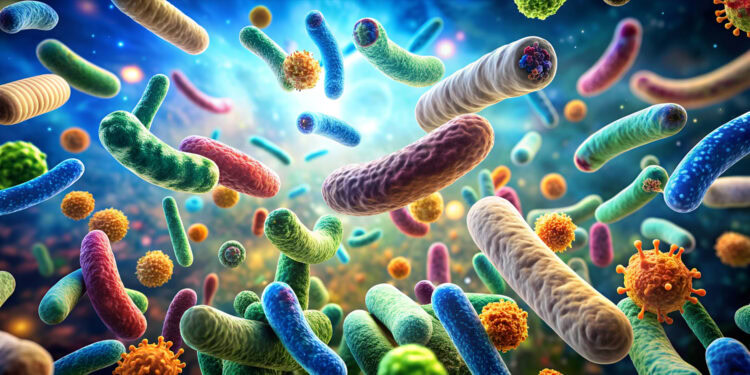
Undigested fruit sugar is linked to increased anxiety and inflammation
When the digestive system fails to absorb fructose, the lingering sugar disrupts the gut microbiome. A recent study reveals this bacterial shift sparks low-grade, body-wide inflammation that can alter brain immune cells and increase anxiety.
Read moreDetails
Two to three cups of coffee a day may protect your mental health
A new analysis of hundreds of thousands of adults reveals that drinking moderate amounts of coffee is linked to a lower risk of developing anxiety and depression, though excessive consumption may reverse those benefits.
Read moreDetails