
Competitive students use ChatGPT to memorize trivia instead of actually learning
When students try to outsmart their peers, their academic performance suffers. A new psychology study reveals that pushing learners to compete leads them to ask ChatGPT superficial questions, increasing their anxiety and severely hindering true knowledge acquisition.
Read moreDetails
Autistic traits in older adults linked to worsening anxiety over time
Aging adults with high autistic traits face a significantly greater risk of worsening anxiety over time, according to new research. The findings highlight a pressing need for targeted mental health support for older individuals on the autism spectrum.
Read moreDetails
The science behind megalophobia: Understanding the fear of large objects
A fear of massive objects may stem from ancient survival instincts. Clinicians treat megalophobia by retraining the amygdala using controlled exposure.
Read moreDetails
New study links stuttering severity to heightened anxiety and altered sound processing in the brain
A new study in BMC Psychology suggests stuttering is more than a physical speech disorder. Researchers found that adults who stutter experience differences in auditory brain processing and higher anxiety, which both scale with their stuttering severity.
Read moreDetails
High brain glutamate levels linked to severe reactions to mistakes
Higher levels of an excitatory brain chemical can make individuals overly sensitive to their mistakes. New research shows that an exaggerated response to everyday errors helps explain the shared biological roots of anxiety and depression.
Read moreDetails
Submechanophobia: The psychology behind the fear of sunken objects
Do sunken ships, pool drains, or underwater statues trigger intense panic? You might have submechanophobia. Learn the science behind this eerie fear.
Read moreDetails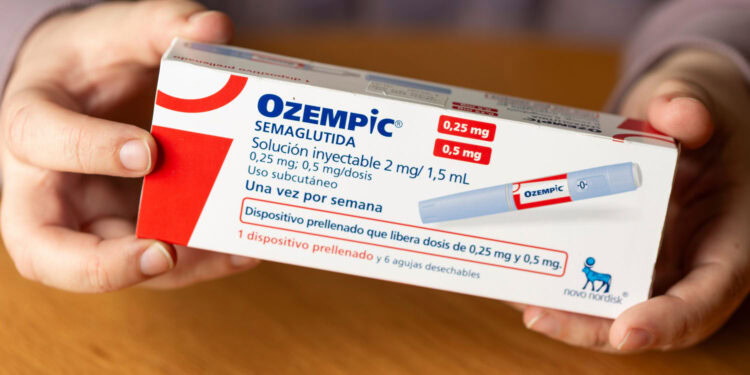
Popular weight loss and diabetes drugs show no biological link to mental illness
Despite troubling reports of anxiety and depression among users of new weight loss and diabetes medications, a comprehensive genetic and clinical analysis reveals no biological link between the drugs and mental health disorders.
Read moreDetails
Undigested fructose linked to anxiety and brain inflammation
A new study finds that an inability to properly digest fructose alters the gut microbiome, triggering low-grade inflammation. This digestive disruption may contribute to anxiety and depressive behaviors by alarming the brain's immune system.
Read moreDetails
Childhood trauma and mental distress might shape the way fans idolize celebrities
A new study explores the psychological factors driving extreme celebrity fandom. Researchers found that while mental distress is strongly linked to celebrity obsession, the impact of childhood trauma reveals a surprising pattern of both obsessive attachment and emotional withdrawal.
Read moreDetails
A single question about sound sensitivity can predict teenage anxiety
For some children, everyday noises like clinking dishes or traffic feel unbearably loud. A recent study reveals that this condition, known as hyperacusis, is a strong predictor of developing persistent fear, worry, and nervousness during adolescence.
Read moreDetails
Fear of missing out is linked to hypersensitive brain reactions to digital likes
People who obsess over missing out on social events show hypersensitive brain activity when receiving digital approval, revealing a biological clue behind problematic phone checking and social media habits.
Read moreDetails
Study reveals the key ingredients for successful social media mental health interventions
To combat a global shortage of therapists, scientists are delivering mental health care through social media. A large new study confirms these online interventions work, particularly when they involve human guidance and community building.
Read moreDetails
The four ways exercise helps you handle aversive experiences
A new framework explains how a single workout and long-term exercise habits help the brain process negative information. By altering attention, memory, and executive function, physical activity can transform how we manage stress and emotional distress.
Read moreDetails
A half hour of aerobic exercise reduces test anxiety and boosts cognitive focus in students
A recent experiment shows that a quick jog on a treadmill can lower academic distress and sharpen mental focus. Researchers found that a short bout of aerobic activity physically rebalances the brain's ability to ignore distracting information.
Read moreDetails
A new study explores the boundary between everyday caffeine and panic
A moderate dose of caffeine does not elevate baseline anxiety in people with panic disorder, though it may make them slightly more likely to step away from uncomfortable situations.
Read moreDetails