
Most TikTok fitspiration content promotes misinformation and unrealistic body ideals
TikTok’s popular fitness hashtags are flooded with idealized bodies, objectifying imagery, and questionable health advice, according to a recent study.
Read moreDetails
Video calls and self-perception: New research examines “Zoom dysmorphia” in students
Hours spent on video calls have fueled a new form of self-criticism, known as Zoom dysmorphia. A study finds that students with higher self-efficacy are less likely to experience it.
Read moreDetails
Perfectionistic tendencies may explain why some men develop muscle dysmorphia
Muscle dysmorphia risk in men is tied to vulnerable narcissism and perfectionism, according to new research. Perfectionism appears to be the key factor linking insecurity to this body image issue.
Read moreDetails
Girls with anorexia have increased neural activation to fearful faces
In adolescent girls with anorexia, increased somatomotor cortex activation to fearful faces after weight recovery suggests heightened anxiety-driven motor preparation.
Read moreDetails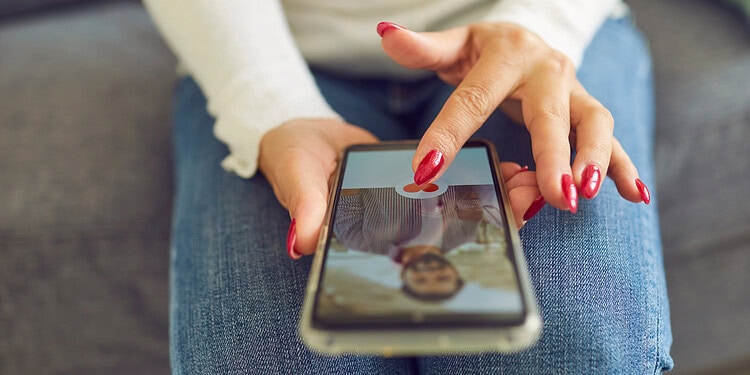
Are dating apps affecting your body image? Here’s what the research says
Dating apps boast millions of users and billions in revenue. But a new study reveals a darker side: they may be linked to poorer body image and mental health.
Read moreDetails
Fitspiration images harm body image, while body positive content benefits both women and men
Viewing body-positive social media content, especially images, led to improved body image outcomes compared to fitspiration content, according to a new study.
Read moreDetails
Sex workers face increased risk of muscle dysmorphia
Individuals with a history of sex work reported more symptoms of muscle dysmorphia, including a stronger drive for muscularity and life disruptions caused by it, but not greater dissatisfaction with their appearance.
Read moreDetails
Social self-comparison: The darker side of augmented reality beauty filters
A recent study reveals that using a slimming filter prompts individuals to make harmful comparisons between their real and filtered selves. This "social self-comparison" leads to negative outcomes such as increased body dissatisfaction and self-objectification.
Read moreDetails
A young bodybuilder’s tragic end highlights the dangers of performance-enhancing substances
A 21-year-old bodybuilder's chronic use of 2,4-dinitrophenol and anabolic steroids led to multi-organ failure and death, highlighting the dangers of unregulated performance enhancers and the psychological impact of muscle dysmorphia.
Read moreDetails
Sexualized self-presentation dominates visuals on dating apps, linked to negative body image
Sexualized self-presentation is common on mobile dating apps, particularly through visual cues like facial expressions and revealing clothing, with women and non-heterosexual users engaging more in this behavior.
Read moreDetails
Self-compassion mitigates negative effects of self-objectification on postpartum well-being
Postpartum self-objectification harms women’s well-being, increasing body shame, depression, and anxiety. Self-compassion helps reduce these negative effects, boosting self-esteem and life satisfaction.
Read moreDetails
Female competition stress linked to disordered eating across the lifespan
Researchers found that while women's stress related to competition over social status and male attention decreases with age, it remains a significant predictor of disordered eating even in postmenopausal women.
Read moreDetails
Cyberbullying linked to extreme dieting and cosmetic surgery interests in teen girls
Appearance-related cyberbullying affects 62% of adolescent girls, leading to body dissatisfaction, increased eating disorder symptoms, and a stronger desire to alter appearance through dieting, self-presentation changes, or cosmetic procedures.
Read moreDetails
Orthognathic surgery might have a surprising impact on how we perceive the world
A recent study found that jaw surgery increased patients' sensitivity to emotional cues in their environment, suggesting physical changes to facial appearance can enhance emotional responsiveness and positively influence cognitive function.
Read moreDetails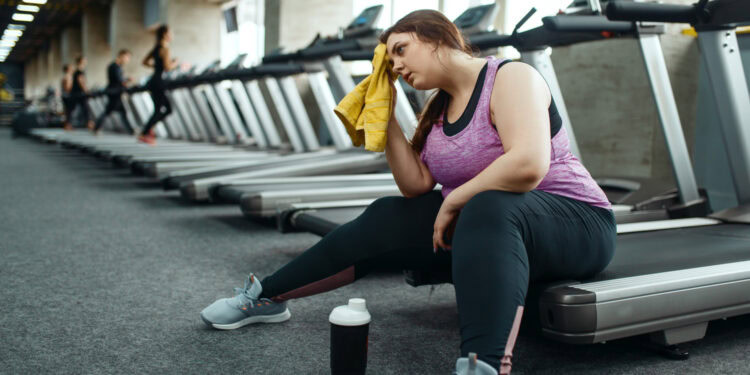
Exercise clothing satisfaction influences body confidence and exercise motivation in plus-size women
A new study published in Sex Roles finds that dissatisfaction with plus-size exercise clothing can discourage physical activity among women.
Read moreDetails