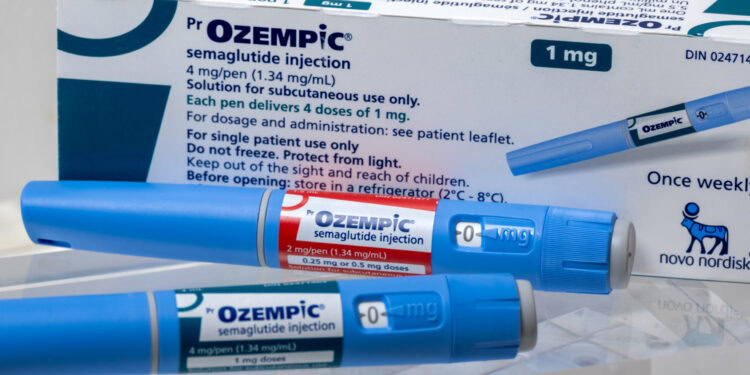
GLP-1 drugs like Ozempic might help clear Alzheimer’s disease plaques, new review suggests
A recent review in Molecular and Cellular Neuroscience suggests that popular weight-loss and diabetes drugs might help clear brain proteins associated with Alzheimer's disease. While animal studies show promise, human data remains limited.
Read moreDetails
Scientists discover how boosting a protective protein stops toxic tau spread in the brain
By genetically enhancing a specific protein in mice, scientists successfully reduced the toxic tau tangles associated with Alzheimer’s disease. The study offers new insights into how the brain defends itself against severe neurodegenerative damage.
Read moreDetails
New metabolomics study traces the path from neurotic personalities to cognitive decline
Anxious and easily stressed individuals face an elevated risk of developing dementia. New research suggests a biological reason behind this link: highly neurotic people tend to have fewer protective omega-3 fatty acids running through their bloodstream.
Read moreDetails
The surprising link between routine vaccines and Alzheimer’s risk
Severe infections can trigger widespread inflammation that damages the aging brain. Now, a wave of large-scale studies suggests that routine adult vaccinations could act as a protective shield, lowering the risk of dementia and Alzheimer's disease.
Read moreDetails
Copper-delivering drug repairs brain pumps to clear toxic Alzheimer’s proteins
Scientists have discovered that an experimental copper drug can unclog the brain's natural waste removal pumps. In a recent study, the treatment successfully cleared toxic Alzheimer's proteins and significantly improved spatial memory in mice.
Read moreDetails
A popular muscle supplement could help power failing brain cells in Alzheimer’s disease
A small pilot study indicates that older adults with Alzheimer’s disease can safely take daily doses of creatine to boost brain energy levels. Patients taking the inexpensive supplement also experienced improvements in problem-solving and working memory tests.
Read moreDetails
Daily maitake mushroom consumption may boost memory in older adults
A small clinical trial found that older adults who consumed bread enriched with a specific strain of maitake mushroom showed improved memory scores. The cognitive boost appears linked to the activation of immune-regulating natural killer cells.
Read moreDetails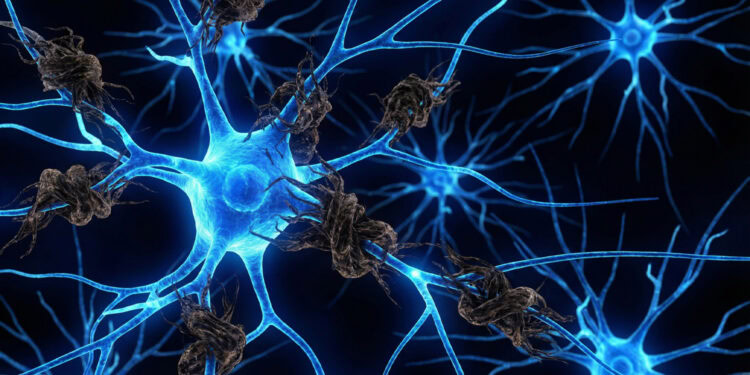
Chronic alcohol use alters Alzheimer’s brain circuits differently based on underlying pathology
New research reveals that chronic alcohol consumption rewires a key decision-making brain circuit in opposite ways, depending on whether the brain is burdened by Alzheimer's-related amyloid plaques or tau tangles.
Read moreDetails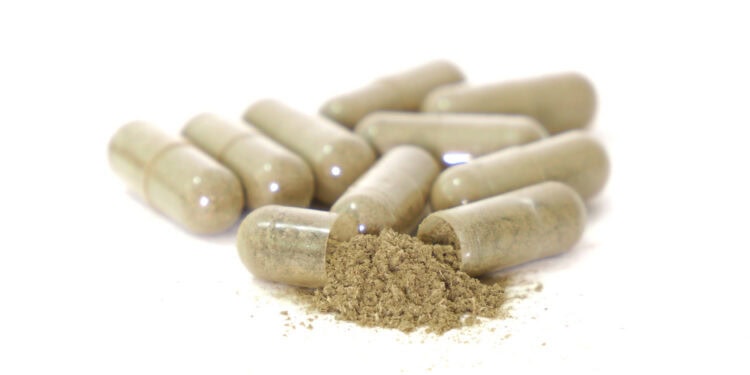
American ginseng extract improves memory and clearing of cellular waste in aging rats
A botanical extract derived from American ginseng can boost the brain's cellular waste disposal system, protecting synapses from age-related damage. In a recent rat study, the supplement successfully reversed cognitive decline and improved learning and memory.
Read moreDetails
A common chemical from car tires might disrupt human brain cells and promote dementia
Researchers used advanced computer models to show how 6PPD-quinone, a common pollutant from wearing tires, binds to proteins in the brain. The findings provide evidence that everyday traffic pollution might play a role in Alzheimer’s disease.
Read moreDetails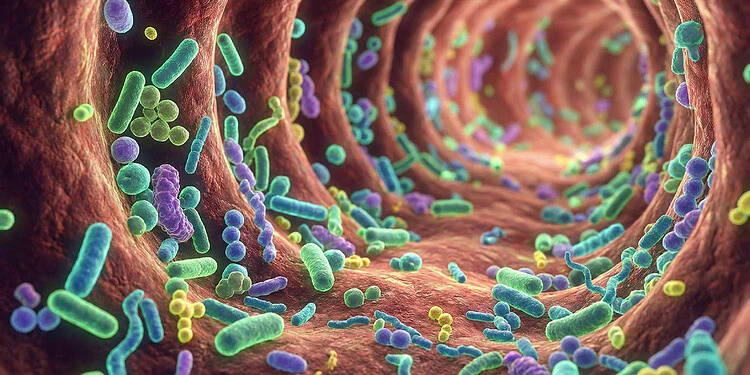
Aging gut bacteria numb the vagus nerve and drive memory loss in mice
A shifting gut microbiome in aging mice creates localized inflammation that numbs the vagus nerve. Without regular sensory signals from the body, the brain struggles to encode new memories, revealing a surprising peripheral pathway for age-related cognitive decline.
Read moreDetails
An 80-year-old woman with advanced Alzheimer’s regained speech and mobility after taking psilocybin
After years of severe decline, an 80-year-old woman with advanced Alzheimer’s temporarily regained her ability to speak, walk, and interact with family following a massive dose of psilocybin mushrooms, according to a striking new case report.
Read moreDetails
Genetic risk for Alzheimer’s disease could depend on how well you sleep
Scientists have discovered an important link between sleep, genetics, and Alzheimer’s disease. New findings suggest that getting poor sleep can accelerate brain shrinkage and memory loss in older adults carrying specific genetic variants.
Read moreDetails
High-fat diets and pesticide exposure alter memory differently based on genes and sex
A high-fat diet and early pesticide exposure affect learning and memory in radically different ways depending on an animal's biological sex and genetic makeup. The findings suggest dietary advice for brain health should be tailored to individual profiles.
Read moreDetails
Common supplement may accelerate memory loss from Alzheimer’s disease
Glucosamine is a popular arthritis remedy, but it may be dangerous for those with early memory loss. New research indicates this sugar molecule disrupts brain chemistry, accelerating both Alzheimer's disease progression and mortality rates.
Read moreDetails