
Boosting NAD+ reverses Alzheimer’s-like deficits in animal models
A recent paper details a new mechanism for protecting the brain from Alzheimer's-related damage. The research shows how the metabolite NAD+ helps repair cellular function and improve memory.
Read moreDetails
Alzheimer’s may damage nerve connections in fat tissue
New research reveals how Alzheimer's disease extends beyond the brain, potentially disrupting the body's energy management system.
Read moreDetails
Dolphins exposed to Florida algal blooms show gene changes linked to Alzheimer’s disease
A study of dolphins stranded in Florida suggests that repeated exposure to algal toxins may trigger brain changes associated with Alzheimer’s disease.
Read moreDetails
Scientists pinpoint genetic markers that signal higher Alzheimer’s risk
An individual's genetic tendency for elevated levels of a key protein in the blood signal a heightened risk for developing Alzheimer's disease, according to new research.
Read moreDetails
This simple daily habit could delay Alzheimer’s symptoms by years
A new study offers a surprising look at the link between physical activity and the proteins that build up in the brains of people with Alzheimer's disease.
Read moreDetails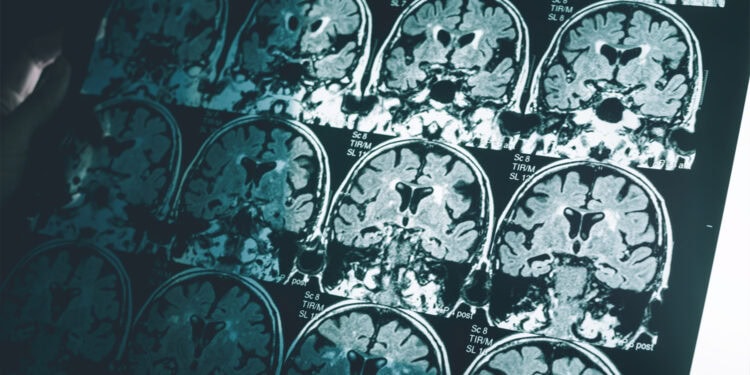
Men’s brains shrink faster with age, deepening an Alzheimer’s mystery
Women are more often diagnosed with Alzheimer’s disease, but why? New research challenges a common assumption about brain aging, pointing scientists toward other potential explanations for this well-known disparity.
Read moreDetails
Nanoparticle therapy restores brain function in mice with Alzheimer’s disease
A novel treatment for Alzheimer's doesn't attack brain plaques directly. Instead, it repairs a critical protective barrier, leading to remarkable recovery in animal models and offering a new direction for future therapies.
Read moreDetails
Cannabidiol may ease Alzheimer’s-related brain inflammation and improve cognition
Inhaled CBD reduced inflammation and improved cognition in mice with Alzheimer’s, according to a study in eNeuro, pointing to a promising immune-based approach for treating the disease beyond traditional amyloid-focused therapies.
Read moreDetails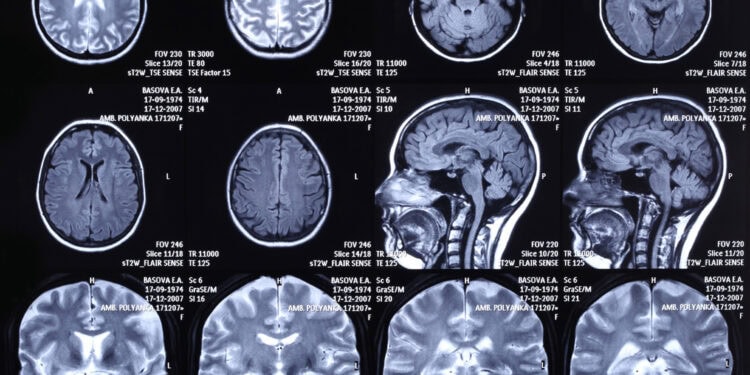
Brain iron levels may signal Alzheimer’s risk years before symptoms appear
New research suggests that higher iron levels in specific brain regions may help identify who is at risk for developing memory problems years before symptoms emerge. The findings may offer a new way to track Alzheimer’s risk using MRI scans.
Read moreDetails
Mediterranean diet may mitigate inherited risk of Alzheimer’s disease
New research suggests the Mediterranean diet may be especially powerful for those at high genetic risk for dementia. The study found this diet more effectively modulates dementia-related blood metabolites, offering a targeted strategy for prevention in susceptible individuals.
Read moreDetails
Common cinnamon metabolite shows potential for Alzheimer’s treatment by reducing amyloid in blood
Researchers have discovered that an oral dose of sodium benzoate, a widely used food preservative, lowers Alzheimer's-related amyloid proteins in patients. This finding points toward a potentially safe and convenient treatment option compared to current infusion-based therapies for the disease.
Read moreDetails
Alzheimer’s risk genes tied to subtle boost in social engagement before symptoms appear
New research using UK Biobank data suggests that people with a higher genetic risk for Alzheimer’s disease may actually report less social isolation and stronger family relationships in midlife, challenging the idea that risk for dementia always reduces social connection.
Read moreDetails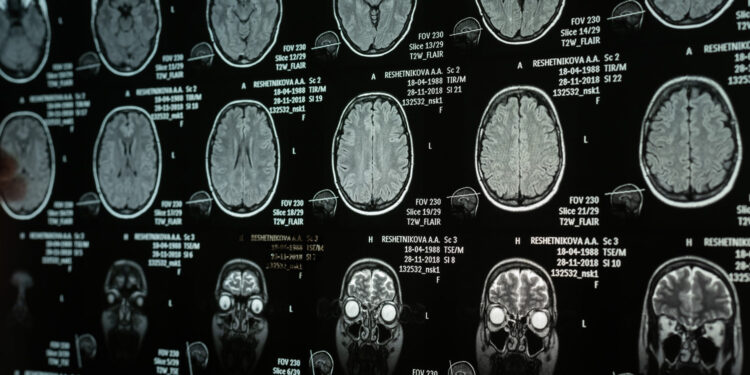
A new window into Alzheimer’s: Brain inflammation marker detected years before symptoms appear
A new study pinpoints where and when the earliest signs of Alzheimer’s disease begin. Researchers discovered a marker for brain inflammation rises in a specific memory-related brain region, coinciding precisely with the appearance of the disease’s first toxic plaques.
Read moreDetails
Air pollution worsens Alzheimer’s brain pathology and accelerates cognitive decline
For the first time, researchers have directly linked air pollution to the physical hallmarks of Alzheimer’s disease in human brain tissue. An autopsy study found individuals from more polluted areas had significantly more amyloid plaques and tau tangles, worsening their...
Read moreDetails
Three-minute brainwave test shows promise for early Alzheimer’s detection
Scientists have developed a rapid brainwave test that may detect memory impairment associated with Alzheimer’s disease in just minutes. The Fastball EEG test could help identify people in need of further screening before more serious symptoms emerge.
Read moreDetails