
Brain waves predict sexual side effects of common depression medications
A quick brain wave test may soon help doctors predict if a patient will experience sexual side effects from antidepressants. Measuring serotonin activity before treatment could guide medication choices and improve the quality of life for patients with depression.
Read moreDetails
Women diagnosed with ADHD later in life are learning to view hyperfocus as a superpower
A midlife ADHD diagnosis can be life-changing. New research explores how receiving a late diagnosis helps women replace decades of self-blame with self-compassion, allowing them to finally make sense of their hidden emotional struggles.
Read moreDetails
Higher testosterone linked to opposite suicide risks for older men and women
Testosterone levels may play opposite roles in how older men and women experience suicide risk during severe depression. A new study finds that higher testosterone protects older men, but is linked to increased risk for older women.
Read moreDetails
Long-term study links childhood screen time to slightly better cognitive skills in teenagers
Does screen time always harm developing brains? A new long-term study suggests otherwise, finding that higher childhood screen time and less unsupervised physical activity are actually associated with slightly better cognitive performance in adolescence.
Read moreDetails
Is the phrase “master bedroom” actually harmful? A new psychology study says no
Many universities and businesses now use language guides to eliminate supposedly harmful words like "master bedroom." However, a new study finds these bans may be misguided, as exposure to such terms causes no actual psychological distress.
Read moreDetails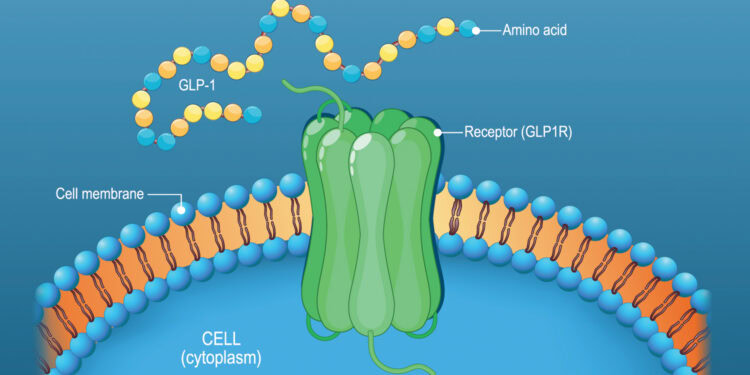
Large genetic study links GLP-1 receptor activation to improved mental well-being
A new genetic study reveals that activating the GLP-1 receptor—the target of popular weight-loss drugs—is associated with a lower risk of depression and bipolar disorder, suggesting profound psychiatric benefits beyond shedding pounds.
Read moreDetails
How growing up in East Germany affected cognitive health in later life
Older adults who lived in socialist East Germany show better cognitive health today than their West German peers. Researchers attribute this unexpected mental resilience to the longer compulsory schooling and early childcare provided by the former East German educational system.
Read moreDetails
Even light drinking is linked to worse hand dexterity and balance as we age
Even drinking within recommended guidelines might impact your physical coordination over time. Researchers found that a lifetime of low-level alcohol consumption is linked to subtle declines in balance and hand dexterity as healthy adults age.
Read moreDetails
Early puberty is linked to higher anxiety risk in girls
A large Danish study reveals that girls who begin puberty earlier and progress faster are significantly more likely to develop anxiety disorders, highlighting a critical window for early mental health interventions.
Read moreDetails
Researchers launch global tracking project to measure the daily mental health impacts of cannabis
A massive new international research project aims to track how regular cannabis use alters mood and cognition in real time. By following subjects for two years, scientists hope to map out the psychological risks and benefits of the drug.
Read moreDetails
A child’s genetic profile for ADHD can predict their parents’ risk of separation
A child's genetic likelihood for attention-deficit hyperactivity disorder is associated with a higher chance of their parents divorcing. The new findings highlight how children might actively shape the life trajectories of their families.
Read moreDetails
Universal two-child policy linked to increased depression among Chinese women
When China relaxed its family planning rules to allow all couples to have two children, depressive symptoms unexpectedly rose among married women. A new study reveals how financial constraints and family pressures contributed to this psychological toll.
Read moreDetails
Body roundness index linked to depression risk in older adults with dementia
A new study reveals that the body roundness index, a measurement of abdominal fat, is strongly linked to depression in older adults with dementia. The findings suggest this simple screening tool could help doctors identify at-risk patients.
Read moreDetails
MDMA-enhanced couples therapy shows promise for treating PTSD and relationship distress
Pairing a brief form of couples therapy with MDMA can lead to large improvements in PTSD symptoms and relationship satisfaction for veterans and their partners, even when only the diagnosed veteran receives the medication.
Read moreDetails
Unintentional mind wandering disrupts attention in ADHD through two different mechanisms
While intentional daydreaming can be useful, new research shows that spontaneous mind wandering is closely linked to adult ADHD. Both daily unintentional distractions and real-time cognitive lapses independently predict attention-deficit traits.
Read moreDetails