
Smaller hippocampal regions linked to better PTSD recovery
A recent study found that smaller volumes in specific hippocampal regions are linked to greater reductions in PTSD symptoms over time, particularly in avoidance and numbing, challenging the belief that larger hippocampal volumes are always better for PTSD recovery.
Read moreDetails
New study suggests increased PTSD risk in individuals with autism spectrum disorder
Mice with autism-like traits are highly susceptible to PTSD from even mild stress, which exacerbates core autistic behaviors, and identified specific brain circuit alterations responsible for this heightened sensitivity.
Read moreDetails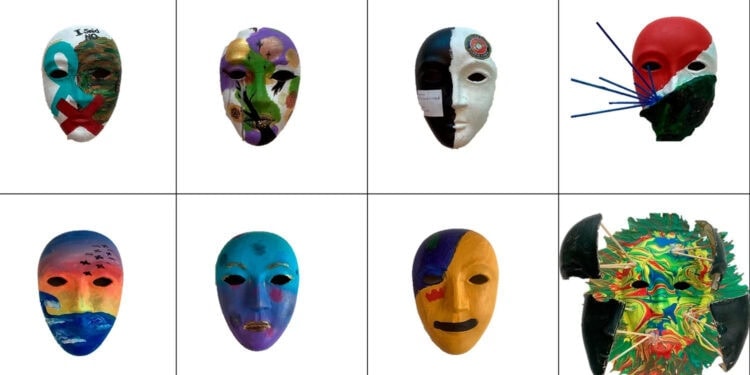
The impact of art therapy: Emotional shifts seen in masks made by veterans with PTSD
Masks created by military personnel with PTSD during art therapy sessions reflected a shift from negative to positive emotions, suggesting emotional improvement through the non-verbal therapeutic process.
Read moreDetails
Alarming rates of untreated PTSD found in young U.S. children
A study found that 2.17% of U.S. children aged 9-10 have experienced PTSD, with sexual minority status and other factors increasing risk. Alarmingly, 37% of affected children did not receive any mental health treatment.
Read moreDetails
Relationship found between creatine in the brain and recovery from traumatic stress
Creatine concentrations in the anterior cingulate cortex may be an important neurochemical factor in the recovery from traumatic stress.
Read moreDetails
The enduring psychological toll of the Las Vegas mass shooting
Four years after the Las Vegas mass shooting, a study reveals that nearly half of the survivors still suffer from major depression, while over 63% experience PTSD, highlighting the enduring mental health challenges and the critical need for ongoing support.
Read moreDetails
Dogs sniff out early signs of PTSD in breakthrough research
Scientists trained dogs to detect PTSD symptoms by recognizing stress-related markers in human breath. This new method could allow service dogs to intervene more effectively, helping their handlers manage symptoms before they fully manifest.
Read moreDetails
Scientists identify potential neural pathway to treat alcohol dependency in trauma survivors
Scripps Research scientists discovered inhibiting stress-response neurons could cut alcohol use in PTSD and AUD sufferers, without lessening anxiety. This breakthrough points towards novel treatments for these intertwined disorders.
Read moreDetails
Veterans’ PTSD symptoms eased in novel study combining brain stimulation with virtual reality
A clinical trial combining virtual reality and brain stimulation showed promising results in reducing PTSD symptoms among U.S. veterans, marking a potential breakthrough in treatment approaches and offering new hope for those affected by the condition.
Read moreDetails
TikTok influencers are blaming everything on “trauma.” A PTSD expert separates fact from fad
Misleading social media trends trivialize PTSD, blending myth with reality. A psychiatrist debunks these, sharing insights from treating diverse trauma survivors, stressing PTSD's complexity and advocating for genuine understanding and treatment.
Read moreDetails
New study provides insights into MDMA’s potential for improving self-experience in PTSD patients
MDMA-assisted therapy shows promise in enhancing emotional awareness and self-compassion in PTSD patients, areas typically unresponsive to conventional treatments.
Read moreDetails
Therapeutic alliance plays a key role in MDMA-assisted psychotherapy for PTSD
New research in the European Journal of Psychotraumatology shows the therapeutic relationship's strength is key in MDMA-assisted psychotherapy for posttraumatic stress disorder (PTSD), indicating better outcomes with a stronger alliance.
Read moreDetails
Memories of stressful events are stronger, but less integrated
An experimental study has revealed that stress enhances memory recall of individual events but hinders the chronological sequencing of these events. The study, highlighting the dual nature of memory under stress, was published in eNeuro.
Read moreDetails
Contact with a service dog might help individuals with PTSD sleep better, study finds
A study involving U.S. military veterans diagnosed with post-traumatic stress disorder (PTSD) found that their heart rates were lower during sleep when they were in close proximity to a service dog, compared to nights without one. This effect was more...
Read moreDetails
Traumatized sexuality plays a moderating role in the link between childhood sexual abuse and relationship satisfaction
Survivors of childhood sexual abuse who experience trauma-related challenges during sexual activities, termed "traumatized sexuality", have significantly impacted overall relationship satisfaction, according to a study in the Journal of Sex & Marital Therapy. The research highlights that traumatized sexuality, rather...
Read moreDetails