
Christian nationalists tend to imagine God as benevolent, angry over sins, and engaged
Christians who believe God is benevolent, engaged, and angered by sin are more likely to support religious nationalism, according to a new study. This worldview was also associated with conspiracy mentality and xenophobic attitudes.
Read moreDetails
The dark psychology of how people get drawn into cults
The series Sirens plays cult life for laughs—but beneath the humor lies a disturbing truth. A psychologist explores how real-world manipulation tactics, from isolation to dependency, mirror the show's plot and reveal why leaving a cult is anything but simple.
Read moreDetails
Psychedelic experiences can both cause and resolve spiritual struggles, study suggests
A new study has found that people frequently described both relief from spiritual tension and the emergence of new spiritual struggles following psychedelic use.
Read moreDetails
Ayahuasca entity encounters linked to lasting religious belief changes, especially in men
A new study suggests that vivid encounters with perceived entities during ayahuasca experiences are associated with reduced atheism and increased spirituality, particularly among men. Before the experience, men were less religious—but gender differences disappeared afterward.
Read moreDetails
Sex after faith: Study reveals how ultra-Orthodox disaffiliates struggle with sexuality
A new study sheds light on how ultra-Orthodox Jews who leave their religious communities face confusion, trauma, and vulnerability when navigating sexuality in secular society, often lacking the cultural knowledge needed for healthy relationships and sexual well-being.
Read moreDetails
Psychedelics linked to religious disaffiliation—but not spiritual change—in large-scale study
Psychedelics are often described as spiritual tools—but do they change people’s religious beliefs? A large new study found that while psychedelic use was associated with religious disaffiliation, it did not cause lasting changes in religiosity or spirituality over time.
Read moreDetails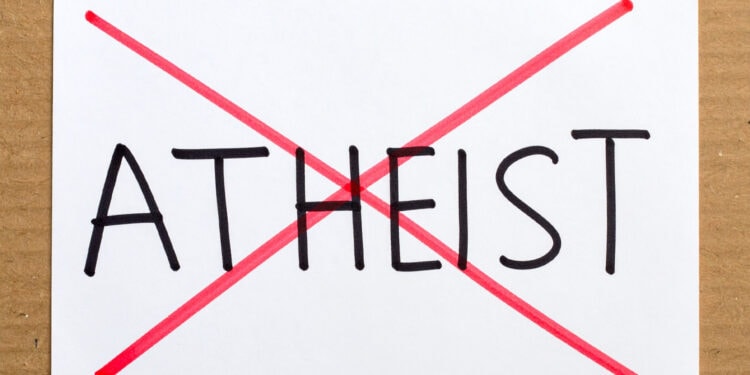
A familiar prejudice may have more to do with “identity signaling”
A new study finds that negative views of atheists may be less about moral disagreement and more about signaling group identity.
Read moreDetails
Unpredictable childhoods may shape how people relate to God
A new study suggests that growing up in unpredictable environments can shape how people relate to God. The findings show that early instability is linked to insecure attachment to God, which may reduce feelings of divine forgiveness and limit the...
Read moreDetails
People intuitively associate religiosity with goodness and atheism with wrongdoing
A new study suggests that moral biases favoring religious individuals over atheists are widespread, even in predominantly secular societies.
Read moreDetails
New study sheds light on what helps nonbelievers thrive psychologically in a religious culture
A new study explores how nonbelievers in Poland maintain psychological well-being in a largely religious culture, highlighting the roles of social support, emotional regulation, and self-clarity.
Read moreDetails
Agnostics are more indecisive, neurotic, and prone to maximizing choices, distinguishing them from atheists and Christians
Far from a midpoint between belief and disbelief, agnosticism shows a unique psychological makeup, new research published in Self & Identity suggests.
Read moreDetails
Feeling forgiven by God can reduce the likelihood of apologizing, psychology study finds
Feeling forgiven by God can ease guilt—but new research shows it might also make people less likely to apologize to those they've harmed
Read moreDetails
Spiritual intimacy linked to higher relationship satisfaction and commitment in dating couples
A new study has found that couples who discuss their spiritual beliefs and experiences with one another tend to feel more satisfied and committed in their relationships.
Read moreDetails
Is America ready for atheist politicians? New findings reveal the surprising reality
A study finds that being an atheist may not be the political death sentence many assume. While Republicans react negatively and Democrats positively, these opposing views often balance out.
Read moreDetails
Unexpected mental cycle found in both Buddhist meditation and Christian speaking in tongues
A new study suggests that two very different spiritual practices—Buddhist jhāna meditation and the Christian practice of speaking in tongues—may work in surprisingly similar ways.
Read moreDetails