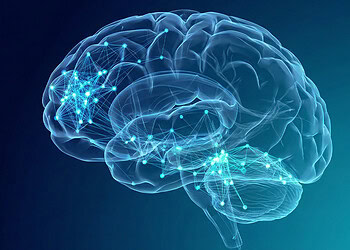
A study on rats found that binge-like drinking of alcohol mixed with energy drinks during adolescence produced changes in the hippocampus region of the brain that were still detectable when the rats reached adulthood. These changes indicated a temporary boost in neural function while the rats were young, followed by a long-term reduction in the ability of the hippocampus to create new connections (synaptic plasticity) in adulthood. The study was published in Neuropharmacology.
When they reach adulthood, many young people start drinking alcohol. In many cases, they drink a large amount of alcoholic drinks in a short period of time. This is called binge drinking. The formal definition of binge drinking is the consumption of 5 or more drinks on a single occasion for men and 4 or more drinks for women. Binge drinking can lead to serious health risks, including alcohol poisoning, accidents, injuries, and long-term consequences like liver disease and addiction.
Young people prone to binge drinking often mix alcohol with energy drinks. Energy drinks are beverages that contain high levels of caffeine, sugar, and other stimulants like taurine, guarana, and B vitamins, designed to boost energy, alertness, and physical performance. Adolescents typically consume energy drinks for their stimulating effects, especially during social events, studying, or sports activities.
When mixed with alcohol, energy drinks may mask some of the effects of alcohol, leading the individual to drink more. This increased drinking can result in more severely impaired judgment and raise the risk or severity of alcohol poisoning.
Study author Francesca Biggio and her colleagues suspected that binge drinking alcohol, particularly when mixed with energy drinks, might create long-lasting detrimental consequences on the brains of young adults. They conducted a study on rats that simulated binge drinking alcohol, energy drinks, and alcohol mixed with energy drinks.
The study was conducted on Male Sprague-Dawley Charles River rats (a strain widely used in research) bred at the animal facility at the University of Cagliari in Italy. The rats were kept under artificial light in a 12-hour light and 12-hour dark cycle. The rats had free access to food and water.
Study authors randomly divided the rats into four experimental groups and subjected them to different types of treatments corresponding to binge drinking. Starting from when the rats were 28 days old, the researchers inserted a tube directly into the rat’s stomach to administer the experimental substance. This procedure continued until the rats were 37 days old.
One group of rats received a quantity of alcohol corresponding to 1.5-2 strong alcoholic drinks for a human. Another group received Red Bull energy drink in the amount corresponding to 2 cans for a human. The third group received alcohol mixed with Red Bull. The fourth group was the control and they received tap water.
After the treatments, study authors divided each group of rats into further subgroups and conducted different behavioral tests. In the end, the rats were killed, and their brains analyzed.
Results showed that the group that received just the energy drinks tended to be more active than all the other groups but performed worse in a test requiring them to recognize novel objects. Other behavioral tests showed changes with age but no differences between groups that received different treatments.
Further analyses showed that rats treated with alcohol mixed with Red Bull had increased synaptic plasticity when they were 40 days old but decreased synaptic plasticity when they were 60 and 90 days old. This indicates that the mixture of alcohol and Red Bull temporarily enhanced certain aspects of neural function but produced detrimental effects in the long term.
Analysis of levels of brain-derived neurotrophic factor, a protein that plays a crucial role in the growth, maintenance, and survival of neurons, showed that its levels tended to be increased in this group when the rats were 40 days old but decreased when the rats were 60 days old. This again indicates a temporary boost in neural function followed by a long-term decline.
“The results show that AMED [alcohol mixed with energy drinks] binge-like administration produces adaptive hippocampal changes at the molecular level, associated with electrophysiological and behavioral alterations, which develop during the adolescence and are still detectable in adult animals. Overall, the study indicates that binge-like drinking AMED adolescent exposure represents a habit that may affect permanently hippocampal plasticity,” the study authors concluded.
The study sheds light on the effects of prolonged consumption of alcohol mixed with energy drinks on neural function. However, the study was conducted on rats and not on humans. While they share many physiological similarities, rats and humans are still distinct species. Findings from one may not always be valid for the other species.
The paper, “Mixing energy drinks and alcohol during adolescence impairs brain function: a study of rat hippocampal plasticity,” was authored by Francesca Biggio, Giuseppe Talani, Gino Paolo Asuni, Valentina Bassareo, Marianna Boi, Laura Dazzi, Maria Giuseppina Pisu, Patrizia Porcu, Enrico Sanna, Fabrizio Sanna, Mariangela Serra, Maria Pina Serra, Carlotta Siddi, Elio Acquas, Paolo Follesa, Marina Quartu.