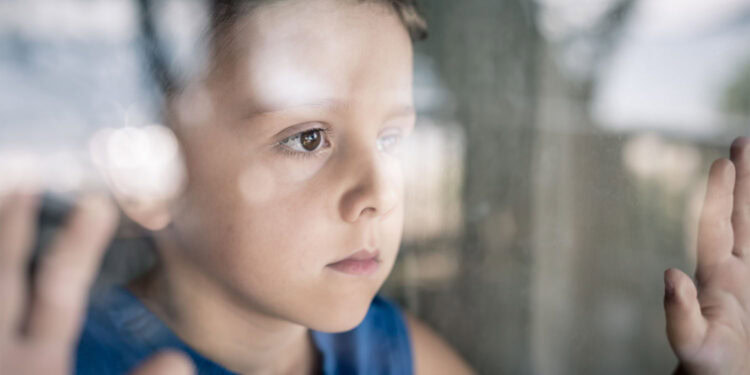
Image-based platforms like Snapchat and Instagram may decrease loneliness more than text-based platforms like Twitter, according to a new study published in Computers in Human Behavior.
The study of 253 undergraduate students found that the more image-based social media platforms a person used, the happier, more satisfied with life, and less lonely he or she was likely to be.
PsyPost interviewed Matthew Pittman about his research. Read his answers below:
PsyPost: Why were you interested in this topic?
I became interested in the topic of loneliness because it is a universal human phenomenon. Everyone feels lonely at one time or another, but most of us have a hard time talking about it. Now with social media and smartphones becoming more ubiquitous, there is an unspoken promise that we can reach out to anyone we know at any time. And certainly human connectivity has increased exponentially as a result of digital technologies!
Yet the problem of loneliness persists… why is this? What is it about loneliness that isn’t satisfied by our media use? And what are some ways we CAN use social media to connect with others in a meaningful way? These are sort of questions that most of us wonder about and I hope to explore through my research. My dissertation extends this work, and I try to post interesting findings at phoneliness.com every now and then.
What should the average person take away from your study?
One clear takeaway from our study is that there is SOMETHING about image-based platforms (like Instagram and Snapchat) that does successfully nudge our happiness up and our loneliness down. This effect may be minor, and it may be temporary, but it definitely seems real. Images of friends may satisfy the need ordinarily fulfilled by face-to-face interaction, and that just isn’t true of text platforms.
Having people follow your tweets is not as intimate a connection as posting or exchanging personal photos, so there may be something about the way we communicate through image platforms that makes us less lonely as well, because it allows us to feel more intimately connected to the friends we already have.
Are there any major caveats? What questions still need to be addressed?
Obviously there are limits — a few minutes of Instagram here and there might be fine, but spending 5 hours a day on it (or any platform) would probably have the opposite effect — you would be disconnecting yourself from the people with whom you were trying to connect. Also, the study presented is correlational, so it isn’t yet clear if Instagram CAUSES a decrease in loneliness, or if people that are less lonely just spend more time using the app.
My colleague Brandon Reich are currently working on a follow-up where we test in a computer lab the potential causality of social media and different emotions. So far, it seems likely that the intimacy explanation is driving the effect: Instagram (at least relative to Twitter) allows us to digitally connect in a more intimate way, which in turn heightens our positive emotional state and reduces negative feelings (such as loneliness).
Is there anything else you would like to add?
All digital technologies have certain uses or affordances built into them. With each app we use, we should ask ourselves: What will this allow me to do? How will this add to my life? Some apps (like those designed to help you have an affair or anonymously bully others) are clearly dangerous. But most social media have some potential for good. I think the task for most of us is to be discerning and deliberate in our choice of which apps to use, and how frequently to use them. Texting, seeing posts on Facebook and “liking” things all require very little of us (they are easy and convenient) but probably offer little in return.
If you find yourself feeling “phonely”—that is, you are spending time on your smartphone but you still feel lonely—try reaching out to someone close to you in a more intimate way. Face-to-face time, video chatting or even just a simple phone call can all be intimate ways to connect with others.
The study was titled: “Social media and loneliness: Why an Instagram picture may be worth more than a thousand Twitter words.“