![[Adobe Stock]](https://sp-ao.shortpixel.ai/client/to_webp,q_glossy,ret_img,w_750,h_375/https://www.psypost.org/wp-content/uploads/2024/10/cannabis-oil-750x375.jpg)
A recent placebo-controlled study investigated the potential effects of medicinal cannabis oil taken for insomnia on cognitive and psychomotor abilities the following day. The study found no significant differences in 27 out of 28 tests of cognitive function, psychomotor skills, and simulated driving performance. The research was published in Psychopharmacology.
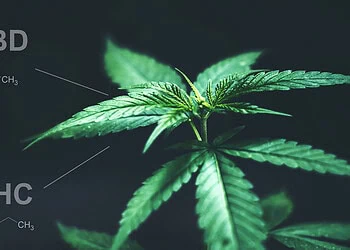
Cannabis is a plant that contains cannabinoids, the most well-known of which are tetrahydrocannabinol (THC) and cannabidiol (CBD). THC is the primary psychoactive component responsible for the “high” associated with recreational cannabis use, while CBD is non-psychoactive and often utilized for its potential therapeutic effects. Beyond recreational use, cannabinoids have been studied for their medicinal properties, with cannabis products showing promise in treating conditions such as chronic pain, anxiety, epilepsy, and inflammation.
Medicinal cannabis oil, derived from the cannabis plant, can contain either CBD alone or a combination of CBD and THC. This combination is often used to treat various health conditions, including insomnia. The use of medicinal cannabis oil is regulated in many countries, with its legal status varying by region.
Study author Anastasia Suraev and her colleagues aimed to investigate whether medicinal cannabis oil taken before sleep to treat insomnia results in cognitive impairment the following day. Their study examined the effects of a single dose of medicinal cannabis oil on next-day cognitive function in adults with insomnia disorder.
The study analyzed data from a larger experiment that assessed the effects of THC and CBD on sleep in individuals with insomnia. The participants included 20 adults with insomnia disorder, 16 of whom were female, with an average age of 46 years. Notably, 75% of participants were either cannabis-naïve or had used cannabis fewer than 10 times in their lives. None had consumed cannabis or cannabis-derived products in the three months leading up to the study.
Each participant took part in two 24-hour overnight assessment visits in the lab. On one night, they were given 2 mL of medicinal cannabis oil containing 10 mg THC and 200 mg CBD. On the other night, they received a placebo—2 mL of oil that looked identical but contained no cannabinoids. Both the participants and the researchers administering the treatment were blinded to which oil was given on which night. The order in which participants received the cannabis oil or placebo was randomly assigned, ensuring a balanced crossover design.
On the morning following each night of treatment, about 9-11 hours after taking the cannabis oil, participants completed a battery of 28 cognitive tasks, designed to assess various cognitive functions such as attention, memory, and executive functioning. In addition, they participated in a simulated driving assessment—a 30-minute driving scenario that has been validated in previous research to detect the acute effects of THC on driving ability.
The results showed no significant differences in performance on cognitive or psychomotor tests between the days participants received the medicinal cannabis oil and the placebo. The only exception was a slight decrease in accuracy on a test of executive functioning following cannabis oil administration, but this difference was small and not considered clinically meaningful. Similarly, there were no significant differences in simulated driving performance between the two conditions.
“The results of this study indicate that a single oral dose of 10 mg THC (in combination with 200 mg CBD) does not notably impair ‘next day’ cognitive function or driving performance relative to placebo in adults with insomnia disorder who infrequently use cannabis,” the study authors concluded.
This study contributes to the growing body of research on the medicinal use of cannabis oil, particularly in the context of insomnia. However, it is important to note that these findings pertain specifically to the effects of the particular cannabis product used in the study. Other cannabis products with different THC and CBD concentrations or ratios might produce different results, especially at higher doses or with repeated use.
The paper, “Evaluating possible ‘next day’ impairment in insomnia patients administered an oral medicinal cannabis product by night: a pilot randomized controlled trial,” was authored by Anastasia Suraev, Danielle McCartney, Nathaniel S. Marshall, Christopher Irwin, Ryan Vandrey, Ronald R. Grunstein, Angela L. D’Rozario, Christopher Gordon, Delwyn Bartlett, Camilla M. Hoyos, and Iain S. McGregor.