![[Adobe Stock]](https://sp-ao.shortpixel.ai/client/to_webp,q_glossy,ret_img,w_750,h_375/https://www.psypost.org/wp-content/uploads/2025/08/elderly-man-eating-salad-750x375.jpg)
Older adults who consistently followed a Mediterranean-style eating pattern known as the MIND diet were less likely to show signs of a degenerative brain condition tied to memory loss and dementia, according to new research published in JAMA Network Open. The study analyzed both dietary habits and brain autopsy results, offering evidence that nutrition may help protect memory-related brain regions during aging.
The MIND diet stands for Mediterranean–DASH Intervention for Neurodegenerative Delay. It combines elements of the Mediterranean diet, which emphasizes fruits, vegetables, fish, and olive oil, with the DASH diet, which is designed to reduce high blood pressure through reduced sodium intake and balanced nutrients. The MIND diet specifically highlights foods thought to benefit brain function, such as leafy greens, berries, nuts, whole grains, beans, poultry, and fish. It also limits foods high in saturated fat and sugar, including red meat, full-fat cheese, pastries, and fried or fast foods.
Previous studies have linked the MIND diet to slower cognitive decline, reduced risk of Alzheimer’s disease, and greater brain volume. However, its potential relationship with specific brain pathologies had not been fully explored. The new study aimed to address that gap by focusing on hippocampal sclerosis—a degenerative condition that affects the hippocampus, a brain structure involved in memory.
“We have limited treatments for dementia, and the growing aging population faces an increased risk of this condition, which affects quality of life in many ways. Previously, we have shown that the MIND diet is associated with slower cognitive decline, reduced dementia risk, less brain pathology, and greater cognitive resilience. Thus, this study was to further understand the other potential underlying mechanisms beyond Alzheimer’s pathology that can explain link between diet and cognition,” said study author Puja Agarwal, an assistant professor at Rush University Medical Center.
“Hippocampal health is important for older adults, particularly for memory. Hippocampal sclerosis is an important pathologic marker for hippocampal health, characterized by gliosis and neuronal loss and related to cognitive impairment and dementia beyond Alzheimer’s pathology. However, there are limited human studies on diet and hippocampal health. This study specifically looked at the MIND diet to examine its association with hippocampal sclerosis and whether that association helps explain the link between diet and cognition.”
The research team analyzed data from the Memory and Aging Project, a long-running study conducted by Rush University in Chicago. Participants were older adults who did not have dementia at enrollment and who agreed to donate their brains for research after death. Over the course of several years, participants completed annual evaluations, including cognitive tests, physical exams, and dietary assessments.
For the dietary component, participants filled out detailed food frequency questionnaires that asked about their usual intake of a wide range of foods. The researchers used these data to calculate MIND diet scores for each person, with higher scores indicating closer adherence to the diet. These scores were based on 15 components: ten considered healthy for the brain and five considered less healthy.
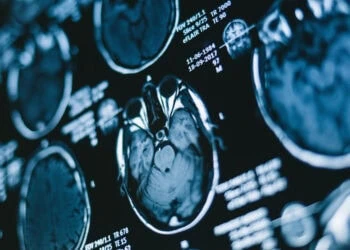
At the time of death, researchers conducted brain autopsies following standardized procedures. They examined the hippocampus for signs of sclerosis, measured the extent of neuronal loss, and assessed whether there was evidence of LATE pathology. The team also recorded other relevant factors, including whether the person had Alzheimer’s pathology, vascular disease, or a genetic risk factor (the APOE-ε4 allele).
Out of 809 participants, about 10 percent showed signs of hippocampal sclerosis. Those with higher MIND diet scores were less likely to have this condition, even after adjusting for age, sex, education, calorie intake, Alzheimer’s disease markers, and vascular conditions. Each additional point on the MIND diet scale was associated with a 22 percent reduction in the odds of having hippocampal sclerosis.
“These results were encouraging on how a modifiable risk factor such as diet may impact one’s hippocampal health via reducing the likelihood of hippocampal sclerosis,” Agarwal said.
The researchers also looked at cases where hippocampal sclerosis appeared alongside LATE pathology. Again, people who adhered more closely to the MIND diet had lower odds of having both conditions. However, the diet did not appear to have a significant association with LATE pathology by itself.
In a subset of 300 participants, the team analyzed the degree of neuronal loss in the hippocampus. Those in the highest MIND diet group had fewer signs of severe neuronal loss. Even after accounting for potential confounding factors, such as Alzheimer’s disease and vascular issues, this association remained significant.
Another key finding came from a mediation analysis. The researchers wanted to understand whether the link between the MIND diet and reduced dementia risk might be explained by its effect on hippocampal sclerosis. Their analysis indicated that about 21 percent of the diet’s protective effect against dementia could be attributed to its association with lower rates of hippocampal sclerosis.
“Our findings support the existing literature on MIND diet and brain health outcomes including cognitive decline and dementia and extends our understanding on how diet may play a role via supporting hippocampal health by its association with less hippocampal sclerosis and more neurons in the hippocampus,” Agarwal told PsyPost. “To our knowledge these are the first findings in human studies to report that the association of diet and dementia is partially mediated by hippocampal sclerosis.”
Importantly, the researchers ran additional tests to check the strength of their results. They excluded participants who had moderate to severe cognitive impairment early on, as well as those whose dietary data were collected close to death. Even after these adjustments, the association between the MIND diet and hippocampal health remained consistent.
“Given dementia is a known concern for aging population, these findings are encouraging and can have major public health implications such as to promote a good healthy diet for brain health,” Agarwal said. “It also implies that talking about a healthy diet such as MIND diet should be prioritized in the clinical settings by trained individuals.”
While the study presents strong evidence of a link between the MIND diet and markers of brain health, it also has some limitations. Because it is an observational study, it cannot confirm a cause-and-effect relationship. It is possible that other unmeasured factors—such as access to healthcare, broader lifestyle habits, or genetic differences—could have influenced both diet and brain health.
The participants in the study were primarily older White adults who agreed to donate their brains for research, which may limit how broadly the findings can be applied. The researchers noted that more work is needed to see whether these associations hold in more diverse populations or in younger age groups.
Another area for future research involves identifying the specific nutrients or foods that may be most beneficial. While the MIND diet includes a variety of recommended foods, it is not yet clear which components contribute most strongly to the observed effects. Ongoing research is also examining how diet interacts with biological markers of inflammation and oxidative stress in the brain.
“The role of modifiable lifestyle factors, including diet, is gaining momentum as a preventive strategy for dementia worldwide,” Agarwal said. “Thus, studies like ours are important and open doors for more research in this space. To further extend our findings, we are now looking into specific foods, nutrients, and biomarkers indicating neuroinflammation and oxidative stress—the two known hallmarks of Alzheimer’s disease and Alzheimer’s disease–related dementias (AD/ADRD)—using upcoming platforms so that we can develop precise dietary recommendations and generate more clinical implications for at-risk populations.”
The study, “MIND Diet and Hippocampal Sclerosis Among Community-Based Older Adults,” was authored by Puja Agarwal, Sonal Agrawal, Maude Wagner, Laurel J. Cherian, Neelum T. Aggarwal, Bryan D. James, Thomas M. Holland, David A. Bennett, Lisa L. Barnes, Sue E. Leurgans, and Julie A. Schneider.