Subscribe
The latest psychology and neuroscience discoveries.
My Account
  • Mental Health
  • Social Psychology
  • Cognitive Science
  • Neuroscience
  • About
No Result
View All Result
PsyPost
PsyPost
No Result
View All Result
Home Exclusive Mental Health

Toxoplasma Gondii infection: Does this parasitic disease alter the brain and behavior?

by PsyPost
June 27, 2016
in Mental Health
Photo credit: David Ferguson

Photo credit: David Ferguson

Share on TwitterShare on Facebook

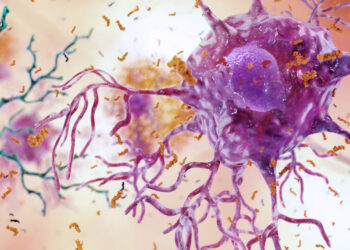
Many researchers believe that Toxoplasma gondii infection (Toxoplasmosis) can alter the human brain and behavior. However, recent research published this February in PLOS ONE suggests that there may be nothing to worry about after all. The study reports that there was little evidence that Toxoplasmosis gondii was related to increased risk of psychiatric disorder, poor impulse control, changes to personality or neurocognitive impairment, as previously found.

Toxoplasmosis is a disease caused by Toxoplasma gondii, a parasite that is present in around a third of the human population, as well as many other animal species. In humans, the primary source of infection is through contact with the feces of infected animals, especially domestic cats (the animal within which Toxoplasma gondii can reproduce). Infection can also occur through contact and ingestion of infected meat (especially pork), exposure to contaminated soil and water, or it can be passed on from a pregnant mother to her baby.

In rare cases, Toxoplasmosis can present with severe pathological symptoms, including diseases related to inflammation of the retina and choroid, inflammation and damage to heart muscle and inflammation of the brain, potentially leading to death. Despite this, most infected humans exhibit few or no physiological symptoms, suggesting little public health significance.

However, recent reports have suggested that infection might have previously unrecognized consequences in humans, with Toxoplasma infection being linked to a number of brain and behavior-related symptoms. Research has pointed to a correlation between Toxoplasma gondii infection and schizophrenia, stemming from the fact that some acute cases of infection resulted in hallucinations, a key feature of the disorder. There have been reported links between infection and major depressive disorder, poor impulse regulation (including violent and risk-taking behavior) and suicide attempts. There is also is some evidence that neurocognitive and personality differences exist following previous exposure to infection, including slower reaction times, poor attention and lower scores of novelty seeking.

The study, led by Karen Sugden of Duke University, tested the blood samples of 837 participants for antibodies against Toxoplasma gondii. From the 837 people who gave blood samples, 28% tested positive, indicating that they were infected with the parasite.

Results revealed that there was little evidence that Toxoplasma gondii infection results in increased susceptibility to neuropsychiatric disorders (schizophrenia and major depression), poor impulse control (suicidal behavior and criminality), changes in personality, or neurocognitive impairment. Although suicide attempt was marginally more frequent among individuals with previous exposure to infection.

This large study provides evidence against the possible link between Toxoplasma gondii infection and a variety of impairments. It also highlights the need for better research designs in order to guarantee that future research provides accurate insight into the possible influences of Toxoplasma gondii.

Google News Preferences Add PsyPost to your preferred sources
Previous Post

Text messaging with smartphones triggers a new type of brain rhythm

Next Post

Attention changes perceptions of facial attractiveness

RELATED

New psychology research explores the costs and benefits of consenting to unwanted sex
Anxiety

People with social anxiety are less likely to experience a post-sex emotional glow

March 13, 2026
Scientists observe “striking” link between social AI chatbots and psychological distress
Autism

The extreme male brain theory of autism applies more strongly to females

March 13, 2026
Alcohol dampens reactivity to psychological stress, especially for uncertain stressors
Addiction

Researchers identify personality traits that predict alcohol relapse after treatment

March 12, 2026
Unlocking mitochondrial secrets: New hope for Parkinson’s treatment
Depression

New study links the fatigue of depression to overworked cellular power plants

March 12, 2026
Scientists studied ayahuasca users—what they found about death is stunning
Addiction

New study reveals risk factors for suicidal thoughts in people with gambling problems

March 12, 2026
What is the difference between ADD and ADHD? A look at psychiatric history
ADHD Research News

What is the difference between ADD and ADHD? A look at psychiatric history

March 11, 2026
Gut-brain connection: Proinflammatory bacteria linked to hippocampal changes in depression
Anxiety

Undigested fruit sugar is linked to increased anxiety and inflammation

March 11, 2026
Moderate coffee consumption during pregnancy unlikely to cause ADHD in children
Anxiety

Two to three cups of coffee a day may protect your mental health

March 11, 2026

STAY CONNECTED

LATEST

Your personality and upbringing predict if you will lean toward science or faith

Veterans are no more likely than the general public to support political violence

People with social anxiety are less likely to experience a post-sex emotional glow

The extreme male brain theory of autism applies more strongly to females

A newly discovered brain cluster acts as an on and off switch for sex differences

Researchers identify personality traits that predict alcohol relapse after treatment

New study links the fatigue of depression to overworked cellular power plants

New study reveals risk factors for suicidal thoughts in people with gambling problems

PsyPost is a psychology and neuroscience news website dedicated to reporting the latest research on human behavior, cognition, and society. (READ MORE...)

  • Mental Health
  • Neuroimaging
  • Personality Psychology
  • Social Psychology
  • Artificial Intelligence
  • Cognitive Science
  • Psychopharmacology
  • Contact us
  • Disclaimer
  • Privacy policy
  • Terms and conditions
  • Do not sell my personal information

(c) PsyPost Media Inc

Welcome Back!

Login to your account below

Forgotten Password?

Retrieve your password

Please enter your username or email address to reset your password.

Log In

Add New Playlist

Subscribe
  • My Account
  • Cognitive Science Research
  • Mental Health Research
  • Social Psychology Research
  • Drug Research
  • Relationship Research
  • About PsyPost
  • Contact
  • Privacy Policy

(c) PsyPost Media Inc