
Why do podcast listeners feel so connected to hosts they have never met? A new study published in the Journal of Radio & Audio Media sheds light on this question, finding that authenticity plays a key role in forming these parasocial relationships. Through interviews with podcast fans, researchers identified specific traits—like spontaneity, imperfection, and personal confessions—that make hosts seem genuine and relatable. These findings suggest that podcasting fosters a unique sense of intimacy between hosts and audiences.
Parasocial relationships refer to the one-sided emotional connections that audiences form with media personalities and other public figures. These relationships arise when individuals feel as though they personally know a figure, even though the figure is unaware of their existence. Research has shown that these bonds can lead to strong emotional attachments, influence opinions, and even affect consumer behavior.
However, while previous studies have examined parasocial relationships in television and radio, little research has explored how podcast listeners develop these connections, particularly in relation to perceptions of authenticity. The new study aimed to fill this gap by investigating which characteristics make podcast hosts appear authentic and how these perceptions contribute to the development of parasocial relationships.
“My interest in this topic stemmed from being an avid podcast listener myself. After noticing that podcast hosts were influencing me in a number of different ways, I came to the realisation that I must be viewing them as being authentic. This realization made me want to examine one-sided relationships with podcast hosts more closely, as well as why they might be perceived as being authentic,” said study author Karl Maloney Yorganci, who completed a PhD at the University of Salford’s School of Arts, Media and Creative Technology.
To conduct the study, the researcher selected ten individuals aged 25 to 34 who regularly listened to podcasts hosted by stand-up comedians. This age group was chosen because prior research indicated they are among the most frequent podcast consumers. Participants were recruited through social media invitations and interviewed via video conferencing platforms. The interviews were semi-structured, allowing participants to share their thoughts and experiences related to their favorite podcast hosts. The researcher then analyzed the interview transcripts to identify common themes and patterns.
The analysis revealed that listeners perceived their favorite podcast hosts as authentic based on seven key characteristics: ordinariness, immediacy, similarity, freedom, spontaneity, imperfection, and confessions. Each of these traits contributed to the development of parasocial relationships by either creating a sense of knowing the host or fostering a feeling of friendship.
Ordinariness was one of the most frequently mentioned traits. Listeners described their favorite hosts as everyday people who shared common frustrations and experiences. Unlike traditional celebrities, podcast hosts were seen as unfiltered and unpretentious, discussing mundane aspects of life and using casual, relatable language. This ordinariness helped listeners feel that the hosts were “one of them.”
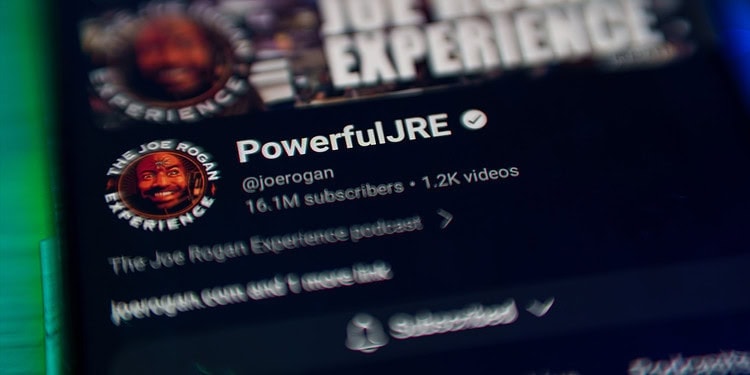
For example, Joe Rogan (The Joe Rogan Experience) was frequently described by participants as a “regular guy” who asks the same kinds of questions they would if they were interviewing guests. Similarly, Bill Burr (Monday Morning Podcast) is known for his unfiltered rants about everyday inconveniences, such as dealing with customer service or watching sports, making him feel like a relatable figure rather than a distant celebrity.
Immediacy played a crucial role in fostering connection. Listeners often felt as though they were actively participating in the conversation rather than simply being passive observers. The casual, conversational nature of podcasting made listeners feel included, as if they were engaging in a real-time discussion with their favorite host. For example, Tim Dillon (The Tim Dillon Show) frequently comments on current events with up-to-date humor, making listeners feel as if they are part of an ongoing, timely conversation. Deniz Özturhan (O Tarz Mı?) was also noted for picking trendy topics, reinforcing the sense that listeners were “in it” with the hosts as events unfolded.
Similarity was another important factor. Many participants noted that they shared personal traits, values, or humor styles with their favorite hosts. This perceived similarity reinforced the feeling that they truly “knew” the hosts and contributed to a stronger emotional connection. For instance, some participants who enjoyed stand-up comedy felt a natural kinship with Marc Maron (WTF with Marc Maron), whose self-deprecating humor and introspective monologues resonated with them. Others felt drawn to Iliza Shlesinger (Ask Iliza Anything) because they saw aspects of their own personalities in her sharp-witted, no-nonsense approach to life and relationships.
Freedom was a characteristic unique to podcasts compared to other forms of media. Participants believed that podcast hosts had greater autonomy in choosing what to discuss, how to express themselves, and whom to feature as guests. Unlike television and radio personalities, podcast hosts were seen as unfiltered and unconstrained by network restrictions, making their words feel more genuine. This was particularly evident in the case of Tim Dillon, who built a successful Patreon subscriber base that allows him to speak freely without corporate oversight.
Spontaneity further enhanced the perception of authenticity. Listeners appreciated that podcast hosts did not sound scripted or overly rehearsed. Instead, they spoke naturally and candidly, responding in real time to guests and events. Advertisements also seemed more genuine when they felt like off-the-cuff recommendations rather than forced endorsements. Joe Rogan, for example, is known for engaging in long, free-flowing conversations that sometimes take unexpected detours, making his podcast feel more organic. Likewise, Iliza Shlesinger often responds to listener-submitted questions in real time, adding to the sense that she is thinking aloud rather than following a script.
Imperfection was another marker of authenticity. Unlike traditional media figures who present polished, highly curated personas, podcast hosts often displayed flaws. They rambled, misspoke, or went off on tangents, making them seem more human and relatable. Listeners found these imperfections endearing, reinforcing the idea that the hosts were being their true selves. Bill Burr is well-known for going off on long, often absurd tangents, occasionally contradicting himself or circling back to an earlier thought in a humorous way.
Confessions contributed to a deep sense of connection. Hosts who openly discussed personal struggles, anxieties, or past failures were perceived as especially authentic. Listeners felt they were granted access to the host’s inner world, strengthening their emotional attachment. Marc Maron, for example, is known for sharing deeply personal stories about his struggles with addiction, relationships, and self-doubt, which makes listeners feel as if they truly know him.
“Believing that you share similarities with a podcast host and perceiving them as a regular, relatable person can foster a sense of friendship towards them, as can a feeling of being connected in a shared moment,” Yorganci told PsyPost. “Viewing a podcast host as free to express themselves, acknowledging their imperfections, and making personal confessions can create a sense of truly getting to know them.”
“However, because of authenticity’s intangible and unmeasurable nature, there is no way of establishing whether a podcast host actually is or isn’t authentic. Perceived authenticity can be used to legitimize hate speech, conspiracy theories, post-truth politics, and even violence. Therefore, it is important for us to develop our understanding about both mediated authenticity and strong relationships with podcast hosts, which studies have shown can have strong effects on our attitudes and behavior.”
As with any study, there are limitations to consider. The small sample size means the findings may not be generalizable to all podcast listeners. Additionally, the research focused solely on podcasts hosted by stand-up comedians, which may have unique dynamics not present in other podcast genres. Future research could explore a larger and more diverse sample of podcast listeners and examine how different podcast formats or content types influence perceptions of authenticity and the development of parasocial relationships.
The study, ““One of Us”: Examining the Authenticity and Parasocial Relationships of Stand-Up Comedian Podcast Hosts,” was authored by Karl T. Maloney Yorganci and Leslie Grace McMurtry.