PsyPost
  • Mental Health
  • Social Psychology
  • Cognitive Science
  • Neuroscience
  • About
No Result
View All Result
Join
My Account
PsyPost
No Result
View All Result
Home Exclusive Social Psychology

Study finds no evidence that only children are more narcissistic than people with siblings

by Eric W. Dolan
November 19, 2019
Reading Time: 2 mins read
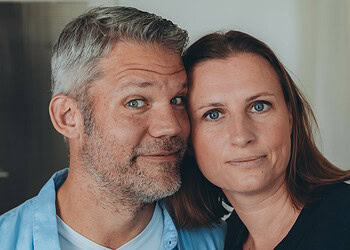
(Photo credit: Kelsey DeMarcus)

(Photo credit: Kelsey DeMarcus)

Share on TwitterShare on Facebook

Researchers from Germany have found no evidence that only children are more likely to display narcissistic traits than those who have siblings. The findings have been published in Social Psychological and Personality Science.

“In my research I am trying to understand how narcissism develops and how it affects social behavior and relationships. The idea of narcissistic only children sounds plausible to many people, so I wanted to test it,” explained Michael Dufner of the University of Leipzig, the corresponding author of the study.

An initial survey of 556 participants found that people — even only children themselves — tended to view only children as more narcissistic than those with siblings.

The researchers then analyzed data from the Innovation Sample of the Socio-Economic Panel, a nationally representative longitudinal study of households in Germany. That study included 233 only children and 1,577 people with siblings.

But the scores of narcissistic traits for only children were not significantly different from people with siblings.

“We analyzed a large and representative data set, took potential confounds into account, and distinguished between admiration and rivalry as two major dimensions of grandiose narcissism. Yet, the results indicate that only children are not more narcissistic than non-only children on either of the two dimensions and regardless of whether or not we controlled for covariates,” the researchers said.

“People believe that only children are more narcissistic than people with siblings, but that’s not true,” Dufner told PsyPost. “When policy makers discuss the downsides of low fertility rates, they should let go of the idea that growing up without siblings leads to increased narcissism.”

But like all research, the study includes some caveats.

Google News Preferences Add PsyPost to your preferred sources

“We only tested people from Germany and we can’t be sure how results would look like in other cultures,” Dufner said. “Our research exclusively dealt with grandiose narcissism and not with vulnerable narcissism or narcissistic personality disorder. Although existing stereotypes emphasize the grandiose aspects of narcissism, future research should test whether only children differ from non-only children in these more maladaptive forms of narcissism.”

The study, “The End of a Stereotype: Only Children Are Not More Narcissistic Than People With Siblings“, was authored by Michael Dufner, Mitja D. Back, Franz F. Oehme, and Stefan C. Schmukle.


RELATED

Artificial intelligence flatters users into bad behavior
Moral Psychology

Young men use moral outrage to claim status in political debates

April 26, 2026
Artificial intelligence flatters users into bad behavior
Political Psychology

Public support for transgender women in sports dropped significantly between 2019 and 2024

April 26, 2026
Self-interest, not spontaneous generosity, drives equality among Hadza hunter-gatherers
Divorce

Fathers who fear divorce are more likely to develop distrust in political institutions

April 26, 2026
People view the term “sex worker” much more positively than “prostitute” or “hooker”
Relationships and Sexual Health

People view the term “sex worker” much more positively than “prostitute” or “hooker”

April 25, 2026
New study identifies another key difference between religious “nones” and religious “dones”
Political Psychology

Former Christians express more progressive political views than lifelong nonbelievers

April 25, 2026
New psychology research reveals your face might determine how easily people remember your name
Memory

New psychology research reveals your face might determine how easily people remember your name

April 25, 2026
Psychology textbooks still misrepresent famous experiments and controversial debates
Climate

Political divide on climate policies is linked to a measurable gap in factual knowledge

April 24, 2026
Avoidant attachment to parents linked to choosing a childfree life, study finds
Relationships and Sexual Health

Certainty in your feelings toward your partner predicts relationship happiness and mental well-being

April 24, 2026

Follow PsyPost

The latest research, however you prefer to read it.

Daily newsletter

One email a day. The newest research, nothing else.

Google News

Get PsyPost stories in your Google News feed.

Add PsyPost to Google News
RSS feed

Use your favorite reader. We also syndicate to Apple News.

Copy RSS URL
Social media
Support independent science journalism

Ad-free reading, full archives, and weekly deep dives for members.

Become a member

Trending

  • How cognitive ability and logical intuition evolve during middle and high school
  • Certainty in your feelings toward your partner predicts relationship happiness and mental well-being
  • New neuroscience research shows how slowing your breathing alters your perception of the people around you
  • Psychology textbooks still misrepresent famous experiments and controversial debates
  • The age you start regularly watching adult content predicts your future mental health

Psychology of Selling

  • Study finds Instagram micro-celebrities can shift brand attitudes and buying intent through direct engagement
  • Salespeople who feel they’re making a difference may outperform those chasing commissions
  • Five persuasive approaches and when each one works best for marketers
  • When salespeople feel free and connected to their boss, they’re less likely to quit
  • Want your brand to look premium? New research suggests making your logo less dynamic

PsyPost is a psychology and neuroscience news website dedicated to reporting the latest research on human behavior, cognition, and society. (READ MORE...)

  • Mental Health
  • Neuroimaging
  • Personality Psychology
  • Social Psychology
  • Artificial Intelligence
  • Cognitive Science
  • Psychopharmacology
  • Contact us
  • Disclaimer
  • Privacy policy
  • Terms and conditions
  • Do not sell my personal information

(c) PsyPost Media Inc

Welcome Back!

Login to your account below

Forgotten Password?

Retrieve your password

Please enter your username or email address to reset your password.

Log In

Add New Playlist

Subscribe
  • My Account
  • Cognitive Science Research
  • Mental Health Research
  • Social Psychology Research
  • Drug Research
  • Relationship Research
  • About PsyPost
  • Contact
  • Privacy Policy

(c) PsyPost Media Inc