![[Adobe Stock]](https://sp-ao.shortpixel.ai/client/to_webp,q_glossy,ret_img,w_750,h_375/https://www.psypost.org/wp-content/uploads/2024/07/sperm-750x375.jpg)
Male fertility rates have been plummeting over the past half-century. An analysis from 1992 noted a steady decrease in sperm counts and quality since the 1940s. A more recent study found that male infertility rates increased nearly 80% from 1990 to 2019. The reasons driving this trend remain a mystery, but frequently cited culprits include obesity, poor diet and environmental toxins.
Infectious diseases such as gonorrhea or chlamydia are often overlooked factors that affect fertility in men. Accumulating evidence suggests that a common single-celled parasite called Toxoplasma gondii may also be a contributor: An April 2025 study showed for the first time that “human sperm lose their heads upon direct contact” with the parasite.
I am a microbiologist, and my lab studies Toxoplasma. This new study bolsters emerging findings that underscore the importance of preventing this parasitic infection.
The many ways you can get toxoplasmosis
Infected cats defecate Toxoplasma eggs into the litter box, garden or other places in the environment where they can be picked up by humans or other animals. Water, shellfish and unwashed fruits and vegetables can also harbor infectious parasite eggs.
In addition to eggs, tissue cysts present in the meat of warm-blooded animals can spread toxoplasmosis as well if they are not destroyed by cooking to proper temperature.
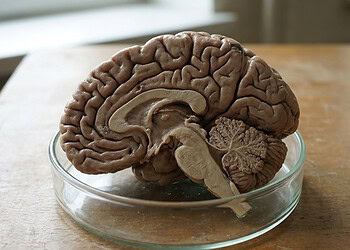
While most hosts of the parasite can control the initial infection with few if any symptoms, Toxoplasma remains in the body for life as dormant cysts in brain, heart and muscle tissue. These cysts can reactivate and cause additional episodes of severe illness that damage critical organ systems.
Between 30% and 50% of the world’s population is permanently infected with Toxoplasma due to the many ways the parasite can spread.
Toxoplasma can target male reproductive organs
Upon infection, Toxoplasma spreads to virtually every organ and skeletal muscle. Evidence that Toxoplasma can also target human male reproductive organs first surfaced during the height of the AIDS pandemic in the 1980s, when some patients presented with the parasitic infection in their testes.
While immunocompromised patients are most at risk for testicular toxoplasmosis, it can also occur in otherwise healthy individuals. Imaging studies of infected mice confirm that Toxoplasma parasites quickly travel to the testes in addition to the brain and eyes within days of infection.
In 2017, my colleagues and I found that Toxoplasma can also form cysts in mouse prostates. Researchers have also observed these parasites in the ejaculate of many animals, including human semen, raising the possibility of sexual transmission.
Knowing that Toxoplasma can reside in male reproductive organs has prompted analyses of fertility in infected men. A small 2021 study in Prague of 163 men infected with Toxoplasma found that over 86% had semen anomalies.
A 2002 study in China found that infertile couples are more likely to have a Toxoplasma infection than fertile couples, 34.83% versus 12.11%. A 2005 study in China also found that sterile men are more likely to test positive for Toxoplasma than fertile men.
Not all studies, however, produce a link between toxoplasmosis and sperm quality.
Toxoplasma can directly damage human sperm
Toxoplasmosis in animals mirrors infection in humans, which allows researchers to address questions that are not easy to examine in people.
Testicular function and sperm production are sharply diminished in Toxoplasma-infected mice, rats and rams. Infected mice have significantly lower sperm counts and a higher proportion of abnormally shaped sperm.
In that April 2025 study, researchers from Germany, Uruguay and Chile observed that Toxoplasma can reach the testes and epididymis, the tube where sperm mature and are stored, two days after infection in mice. This finding prompted the team to test what happens when the parasite comes into direct contact with human sperm in a test tube.
After only five minutes of exposure to the parasite, 22.4% of sperm cells were beheaded. The number of decapitated sperm increased the longer they interacted with the parasites. Sperm cells that maintained their head were often twisted and misshapen. Some sperm cells had holes in their head, suggesting the parasites were trying to invade them as it would any other type of cell in the organs it infiltrates.
In addition to direct contact, Toxoplasma may also damage sperm because the infection promotes chronic inflammation. Inflammatory conditions in the male reproductive tract are harmful to sperm production and function.
The researchers speculate that the harmful effects Toxoplasma may have on sperm could be contributing to large global declines in male fertility over the past decades.
Preventing toxoplasmosis
The evidence that Toxoplasma can infiltrate male reproductive organs in animals is compelling, but whether this produces health issues in people remains unclear. Testicular toxoplasmosis shows that parasites can invade human testes, but symptomatic disease is very rare. Studies to date that show defects in the sperm of infected men are too small to draw firm conclusions at this time.
Additionally, some reports suggest that rates of toxoplasmosis in high-income countries have not been increasing over the past few decades while male infertility was rising, so it’s likely to only be one part of the puzzle.
Regardless of this parasite’s potential effect on fertility, it is wise to avoid Toxoplasma. An infection can cause miscarriage or birth defects if someone acquires it for the first time during pregnancy, and it can be life-threatening for immunocompromised people.
Taking proper care of your cat, promptly cleaning the litter box and thoroughly washing your hands after can help reduce your exposure to Toxoplasma. You can also protect yourself from this parasite by washing fruits and vegetables, cooking meat to proper temperatures before consuming and avoiding raw shellfish, raw water and raw milk.
This article is republished from The Conversation under a Creative Commons license. Read the original article.