Subscribe
The latest psychology and neuroscience discoveries.
My Account
  • Mental Health
  • Social Psychology
  • Cognitive Science
  • Neuroscience
  • About
No Result
View All Result
PsyPost
PsyPost
No Result
View All Result
Home Exclusive Mental Health Autism

Could you be autistic? Discover with the RAADS-14 test

by Eric W. Dolan
August 8, 2024
in Autism, Tests
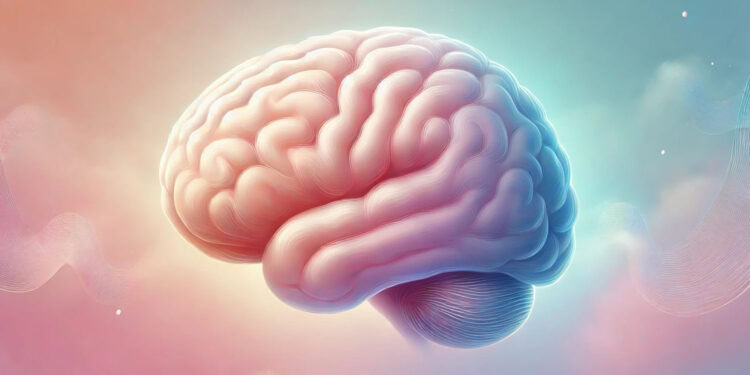
(Photo credit: DALL·E)

(Photo credit: DALL·E)

Share on TwitterShare on Facebook

Have you ever wondered why social interactions can be so challenging for you, or why certain sensory experiences seem overwhelming? Perhaps you’ve been told you’re a bit different, or you’ve struggled to fit in despite your best efforts. These experiences might have left you questioning if there’s a deeper reason behind them.

Understanding oneself is a journey, and for some, this journey may lead to the realization that they are on the autism spectrum. The Ritvo Autism and Asperger Diagnostic Scale is a quick and reliable tool designed to help adults recognize potential autistic traits. (You can take the test below.)

Autism Spectrum Disorder (ASD) is a neurodevelopmental condition characterized by difficulties in social interaction, communication challenges, and a tendency to engage in repetitive behaviors. ASD is a spectrum, meaning its symptoms can vary widely among individuals. Some people with autism may have significant challenges that impact their daily lives, while others might have more subtle traits that go unnoticed without a closer look.

ASD is not a rare condition. It affects millions of people worldwide, and awareness of its varied presentations has increased significantly over the years. One of the key challenges in diagnosing autism, especially in adults, is that its symptoms often overlap with those of other psychiatric conditions such as anxiety, depression, ADHD, and personality disorders. This overlap can lead to misdiagnosis or delayed diagnosis, making it crucial for individuals and clinicians to have reliable screening tools.

The Ritvo Autism and Asperger Diagnostic Scale (RAADS-14) is a streamlined version of a more comprehensive tool designed to help identify autistic traits in adults. Developed to address the need for a quick and efficient screening method, the RAADS-14 focuses on key areas that are indicative of autism. This scale is particularly useful in clinical settings where time and resources may be limited, but it’s also valuable for individuals seeking to understand their own experiences better.

The RAADS-14 consists of 14 statements that reflect behaviors and feelings commonly associated with autism. These statements are grouped into three main domains:

  1. Mentalizing Deficits: These items assess difficulties in understanding social cues, reading body language, and interpreting the intentions of others. Individuals with mentalizing deficits may find social interactions confusing or exhausting.
  2. Sensory Reactivity: This domain includes items that measure sensitivity to sensory experiences such as sounds, textures, and lights. People with heightened sensory reactivity might feel overwhelmed in environments that others find perfectly normal.
  3. Social Anxiety: These items evaluate discomfort and anxiety in social situations. Individuals might feel nervous or out of place in social gatherings, struggle with small talk, or avoid social interactions altogether.

Each statement in the RAADS-14 is rated on a four-point scale, ranging from “never true” to “true now and when I was young.” The responses are then summed to provide a total score, which can help indicate the likelihood of autistic traits. A score of 14 or higher suggests a higher probability of ASD, warranting further exploration with a healthcare professional.

Take the RAADS-14 Adult Autism Assessment

RAADS-14
It is difficult for me to understand how other people are feeling when we are talking. *
Some ordinary textures that do not bother others feel very offensive when they touch my skin. *
It is very difficult for me to work and function in groups. *
It is difficult to figure out what other people expect of me. *
I often don’t know how to act in social situations. *
I can chat and make small talk with people. *
When I feel overwhelmed by my senses, I have to isolate myself to shut them down. *
How to make friends and socialize is a mystery to me. *
When talking to someone, I have a hard time telling when it is my turn to talk or to listen. *
Sometimes I have to cover my ears to block out painful noises (like vacuum cleaners or people talking too much or too loudly). *
It can be very hard to read someone’s face, hand, and body movements when we are talking. *
I focus on details rather than the overall idea. *
I take things too literally, so I often miss what people are trying to say. *
I get extremely upset when the way I like to do things is suddenly changed. *

This article and the RAADS-14 test are intended for informational and educational purposes only and should not be used as a substitute for professional diagnosis or treatment. If you have concerns about autism or other mental health conditions, please consult a qualified healthcare professional who can provide a comprehensive evaluation and appropriate guidance. Self-assessment can be a helpful first step, but it is important to seek professional advice to obtain an accurate diagnosis and receive the support you may need.
Google News Preferences Add PsyPost to your preferred sources
Previous Post

Loneliness haunts us even in our dreams, new psychology research suggests

Next Post

Researchers unveil core traits of malignant narcissism, highlighting its antagonistic nature

RELATED

Scientists observe “striking” link between social AI chatbots and psychological distress
Autism

The extreme male brain theory of autism applies more strongly to females

March 13, 2026
Scientists link common “forever chemical” to male-specific developmental abnormalities
Autism

Blocking a common brain gas reverses autism-like traits in mice

March 7, 2026
Dim morning light triggers biological markers of depression in healthy adults
Anxiety

Standard mental health therapies often fall short for autistic adults, study suggests

March 4, 2026
Trump links Tylenol and autism. What does current research actually say?
Autism

No association found between COVID-19 shots during pregnancy and autism or behavioral issues

February 13, 2026
Scientists discover a pet’s fascinating “afterglow effect” on romantic couples
Autism

Study finds associations between gut microbiota composition and autism

February 9, 2026
Narcissistic students perceive student-professor flirting as less morally troubling
Autism

Study reports associations between infants’ head growth patterns and risk of autism

February 8, 2026
Pupil response can reveal the depths of depression
Autism

Eye contact discomfort does not explain slower emotion recognition in autistic individuals

February 5, 2026
Surprising link found between hyperthyroidism and dark personality traits
ADHD Research News

ADHD diagnoses are significantly elevated among autistic adults on Medicaid

January 31, 2026

STAY CONNECTED

LATEST

Watching violent Black video game characters increases unconscious bias in White viewers

Childhood trauma leaves a lasting mark on biological systems, study finds

How dark personality traits predict digital abuse in romantic relationships

Intrinsic capacity scores predict the risk of mild cognitive impairment in older adults

Laughter plays a unique role in building a secure father-child relationship, new research suggests

Scientists just discovered that a high-fat diet can cause gut bacteria to enter the brain

Psychologists implant false beliefs to understand how human memory fails

Terry Pratchett’s novels held clues to his dementia a decade before diagnosis, new study suggests

PsyPost is a psychology and neuroscience news website dedicated to reporting the latest research on human behavior, cognition, and society. (READ MORE...)

  • Mental Health
  • Neuroimaging
  • Personality Psychology
  • Social Psychology
  • Artificial Intelligence
  • Cognitive Science
  • Psychopharmacology
  • Contact us
  • Disclaimer
  • Privacy policy
  • Terms and conditions
  • Do not sell my personal information

(c) PsyPost Media Inc

Welcome Back!

Login to your account below

Forgotten Password?

Retrieve your password

Please enter your username or email address to reset your password.

Log In

Add New Playlist

Subscribe
  • My Account
  • Cognitive Science Research
  • Mental Health Research
  • Social Psychology Research
  • Drug Research
  • Relationship Research
  • About PsyPost
  • Contact
  • Privacy Policy

(c) PsyPost Media Inc