Long-term ayahuasca use linked to distinct emotional brain activity and higher resilience
People who regularly use ayahuasca in ceremonial settings may develop more resilient psychological traits and altered emotional brain activity, according to new research exploring how long-term use of this psychedelic affects the mind and brain.
Read moreDetails
Lower IQ in youth predicts higher alcoholism risk in adulthood
A large study published in JAMA Psychiatry finds that lower IQ scores at age 18 are linked to increased risk of alcohol use disorder. Genetic factors and societal conditions both appear to influence how this risk develops over time.
Read moreDetails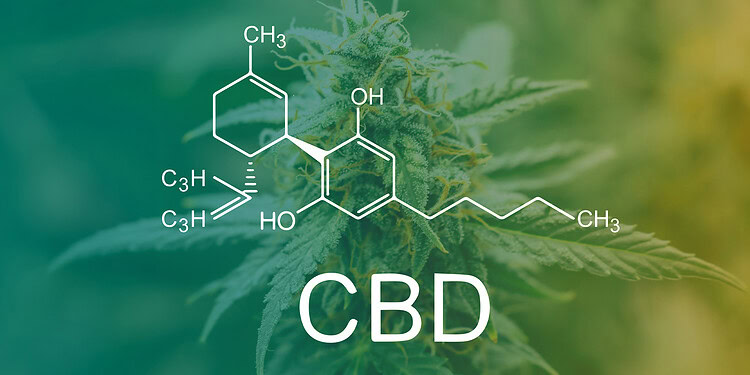
Cannabidiol may ease Alzheimer’s-related brain inflammation and improve cognition
Inhaled CBD reduced inflammation and improved cognition in mice with Alzheimer’s, according to a study in eNeuro, pointing to a promising immune-based approach for treating the disease beyond traditional amyloid-focused therapies.
Read moreDetails
Cannabis compound THC disrupts communication between brain networks
Researchers have found that a moderate dose of THC lowers connectivity between key brain networks in young adults. These changes, seen on brain scans, could help explain how cannabis use affects mood, attention, and perception during intoxication.
Read moreDetails
Psilocybin therapy linked to reduced suicidal thoughts in people with psychiatric disorders
Psilocybin therapy may reduce suicidal thoughts in people with mental health diagnoses, according to a new review in Therapeutic Advances in Psychopharmacology. The analysis combined results from clinical trials and found a modest but significant reduction in suicidal ideation.
Read moreDetails
Study finds a synergy between caffeine and music for athletes
A new study in Psychopharmacology reveals a powerful performance-enhancing combination for combat athletes. Researchers found that pairing a low dose of caffeine with preferred warm-up music boosted the attack frequency and efficiency of elite male taekwondo athletes.
Read moreDetails
Scientists studied ayahuasca users—what they found about death is stunning
What happens when people repeatedly drink a powerful psychedelic brew known for evoking visions of death? A new study explores how long-term users of ayahuasca relate to mortality—and what their experiences might tell us about the human mind.
Read moreDetails
Psilocybin-assisted group therapy may help reduce depression and burnout among healthcare workers
In a pilot study, physicians and nurses who took part in mindfulness training combined with psilocybin therapy experienced greater reductions in depression symptoms than those who practiced mindfulness alone, offering preliminary evidence for a new approach to burnout treatment.
Read moreDetails
Standardized cannabis extract safely relieves chronic back pain
A promising new treatment for chronic low back pain has emerged from a large clinical trial. Published in Nature Medicine, the study found a cannabis extract provided significant pain relief while showing no signs of causing dependence, addiction, or withdrawal...
Read moreDetails
Semaglutide shows potential to curb cocaine addiction behaviors
A new study suggests that semaglutide, a drug best known as Ozempic, may reduce cocaine use, motivation, and relapse in rats. These findings point to a possible role for GLP-1-based drugs in treating cocaine addiction.
Read moreDetails
Psychedelics may not boost creativity as widely believed, new study suggests
A new study in the Journal of Psychopharmacology questions whether psychedelics reliably enhance creative thinking, finding that the effects of an ayahuasca-inspired formulation may actually impair some aspects of creativity while modifying others.
Read moreDetails
Cannabis use linked to short-term relief of PTSD symptoms in veterans
A new study suggests cannabis use may offer same-day reductions in PTSD symptoms and negative affect among veterans. However, the effects appear short-lived, raising questions about long-term reliance on cannabis for managing trauma-related symptoms.
Read moreDetails
Cannabidiol has no effect on fear and panic symptoms, study finds
A new study suggests that cannabidiol may not ease fear or panic when tested under controlled laboratory conditions. Canadian researchers found that even high doses of cannabidiol did not reduce fear responses triggered by carbon dioxide inhalation in healthy adults.
Read moreDetails
Even light alcohol drinking raises dementia risk, according to largest genetic study to date
Findings from the largest study of its kind suggest that alcohol consumption—regardless of amount—may increase the risk of dementia. Genetic data challenge the idea that moderate drinking offers any protective effect on brain health.
Read moreDetails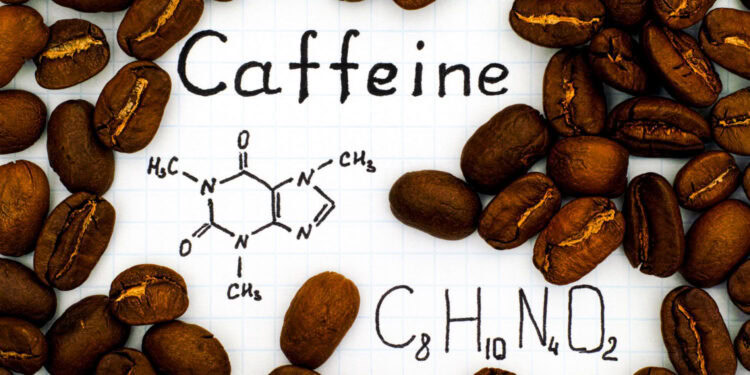
Study finds caffeine increases task persistence under pressure
How does caffeine influence human behavior when tasks seem impossible? A new study suggests it may help people persist during stressful situations. The research bridges animal models of coping with human motivation and performance.
Read moreDetails