Relaxation — not mystical experiences — emerges as best predictor of psychedelic therapy’s impact in surprising new study
Recent research found that psychedelic-assisted therapy reduced depressive symptoms, with relaxation during sessions being the strongest predictor of improvement.
Read moreDetails
Does psilocybin really provide long-term relief from depression, as new study suggests?
Psilocybin may improve mood, social functioning, and life meaning in depression, comparable to escitalopram over six months, but small sample size and other treatments limit conclusions; further research is needed to confirm long-term effectiveness.
Read moreDetails
Single-dose psilocybin therapy shows promise for veterans with treatment-resistant depression
A single dose of psilocybin significantly reduced depression symptoms in many U.S. veterans with treatment-resistant depression, with 60% showing improvement at three weeks. However, effects varied, and some experienced limited relief, highlighting the need for further research.
Read moreDetails
Majority of Americans support supervised use of psilocybin for mental health and well-being
A new study reveals strong bipartisan support for supervised psilocybin use in both therapy and well-being enhancement, suggesting Americans are open to expanding access to psychedelics, with careful regulation, for mental health and personal growth.
Read moreDetails
Psychedelic drug DOI activates specific brain neurons to ease anxiety
The psychedelic DOI reduces anxiety by activating specific interneurons in the ventral hippocampus without causing hallucinations, according to new research, suggesting potential for targeted anxiety treatments .
Read moreDetails
Scientists uncover fascinating link between psychedelic experiences and heart activity
Recent research found that DMT-induced mystical experiences are linked to a rare balance between stress and relaxation systems in the body, which predicts spiritual insights during the experience and improved well-being two weeks later.
Read moreDetails
About 8% of psychedelic users report inappropriate sexual contact by guides
A recent study found that many individuals reported adverse experiences during psychedelic use, including fear, sadness, and loneliness, while about 8% reported inappropriate sexual contact by a guide or practitioner.
Read moreDetails
Little-known psychedelic found to have a fascinating effect on cognitive flexibility after just a single dose
A single dose of the psychedelic DOI enhances long-lasting cognitive flexibility in mice, making them more responsive to overlooked cues. These findings suggest psychedelics may promote adaptive learning, with potential implications for treating mental health conditions involving rigid thinking.
Read moreDetails
Is the “trip” crucial for psychedelic therapy’s effectiveness? New research sheds light on its role in healing
A new study suggests that the subjective experiences of psychedelics like ketamine and psilocybin modestly contribute to their therapeutic effects, particularly for depression and substance use disorder.
Read moreDetails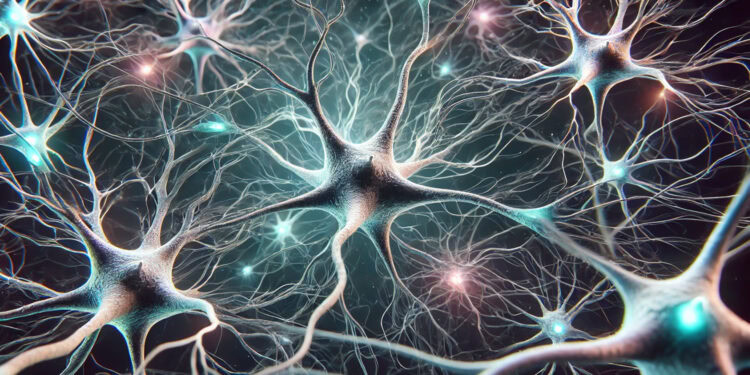
Neuroscience research sheds light on how psilocybin alters spatial awareness
Researchers found that psilocybin disrupts spatial memory in mice by reducing the stability and coordination of neurons in the retrosplenial cortex, offering new insights into the brain mechanisms behind the disorientation experienced during psychedelic trips.
Read moreDetails
DMT-harmine combination elevates transcendence and insight during meditation
A recent study found that combining DMT and harmine with meditation enhanced mystical experiences, emotional breakthroughs, and psychological insight, offering potential benefits for deepening meditation practices and understanding the therapeutic synergy between psychedelics and mindfulness.
Read moreDetails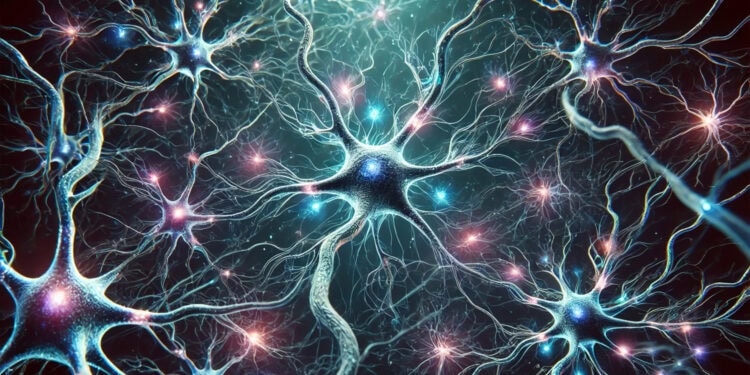
Psilocybin may offer fast and lasting antidepressant benefits by enhancing brain plasticity
A new study shows that psilocybin promotes rapid and lasting antidepressant effects in mice by enhancing brain plasticity, suggesting its potential as a fast-acting treatment for depression, though further research in humans is needed.
Read moreDetails
Man amputates penis with an axe after consuming psilocybin mushrooms
A 37-year-old man experienced a psychotic episode after consuming psilocybin mushrooms, leading to self-inflicted penile amputation with an axe. The penis was partially replanted.
Read moreDetails
Psilocybin boosts mind perception but doesn’t reduce atheism
A study found that while psilocybin increased mind perception of living and non-living entities, it did not significantly change participants' Atheist-Believer status or core metaphysical beliefs, contradicting earlier suggestions of increased spirituality post-psychedelic use.
Read moreDetails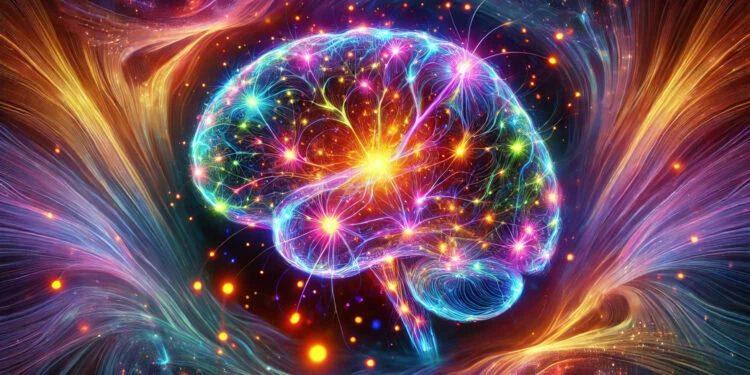
Can magic mushrooms mend the mind? Researchers map psilocybin’s mysterious brain effects — but key questions remain
Researchers found that psilocybin disrupts normal brain communication, increasing connectivity between different brain networks. These changes might explain psilocybin's therapeutic effects, but questions remain about its true impact and how it influences feelings and behavior.
Read moreDetails