“Bad trips” and guilt: Why difficult feelings during psychedelic use might actually be a good thing
Feelings of shame and guilt are surprisingly common during psilocybin experiences, affecting most users. However, a new study reveals that constructively working through these emotions, rather than avoiding them, is linked to improved wellbeing afterward.
Read moreDetails
Harmine has no major psychoactive effects
A study found that harmine, a key component of ayahuasca, has no significant psychoactive effects at doses up to 500 mg. While some participants experienced drowsiness and mild side effects, harmine did not induce hallucinations or major mental status changes.
Read moreDetails
Psychedelic use linked to reduced distress, increased social engagement in autistic adults
Can psychedelics help autistic adults? A new study reveals some report benefits like reduced anxiety and better social connection, but also highlights potential downsides.
Read moreDetails
Time expansion experiences: why time slows down in altered states of consciousness
In moments of crisis, deep focus, or psychedelic exploration, seconds can morph into minutes. This isn't just memory playing tricks. "Time expansion experiences" reveal a profound link between consciousness and our perception of reality.
Read moreDetails
Little-known psychedelic drug reduces motivation to take heroin in rats, study finds
Recent research found that the psychedelic drug DOI reduced heroin-seeking behavior in rats by lowering their motivation to obtain heroin. This effect was mediated through 5-HT2A receptors, suggesting DOI’s potential therapeutic role in opioid use disorder treatment.
Read moreDetails
Psychedelic use linked to lower fear of death through enhanced transcendence beliefs
Recent research found that psychedelic users had lower death anxiety, but this was linked to transcendent experiences rather than the substances themselves.
Read moreDetails
Participants report improved mental health and personal transformation after peyote rituals
An ethnographic study in Alabama found that participants in peyote ceremonies reported reduced substance misuse, improved mental and physical health, and new life perspectives.
Read moreDetails
Psychedelic therapy ignited a harrowing mental health crisis for one patient — but she would do it again
A psilocybin trial participant with treatment-resistant depression faced worsened suicidal thoughts and prolonged eating difficulties but ultimately experienced transformative life changes, highlighting both risks and nuanced benefits of psilocybin therapy.
Read moreDetails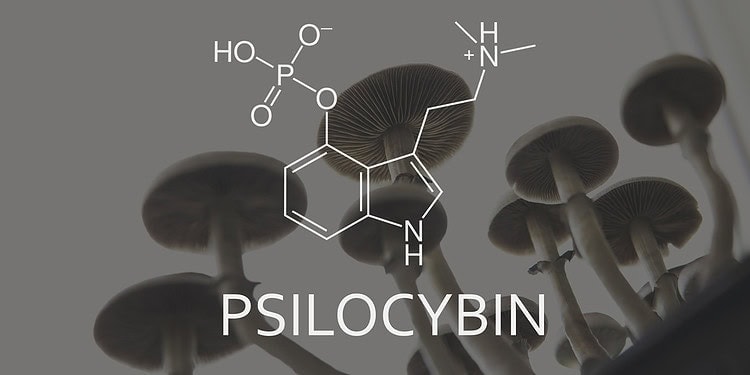
Psilocybin alters how rats balance risks and rewards, researchers find
Psilocybin influenced risk-reward behavior in rats, increasing caution during learning but reducing hesitation after learning. These effects varied by sex and context, highlighting psilocybin's potential to flexibly modify responses to challenging situations.
Read moreDetails
Largest-ever survey on ayahuasca highlights links to better mental health and wellbeing
Frequent ayahuasca use is linked to improved mental health, lower psychological distress, and enhanced wellbeing, especially when paired with strong community support, mystical experiences, and personal insights. However, challenges like fear and integration difficulties can negatively impact outcomes.
Read moreDetails
Magic mushrooms may help reverse stress-induced memory deficits, new study suggests
Recent research found that Psilocybe cubensis extract improved memory and increased brain plasticity-related protein levels in stressed rats, but timing was key, as benefits were observed only when given 24-48 hours before memory training.
Read moreDetails
Psilocybin’s mental health benefits may include improved sleep
Individuals who consumed psilocybin in a therapeutic context reported modest, sustained improvements in sleep, with baseline sleep disturbances influencing the likelihood of achieving depression remission.
Read moreDetails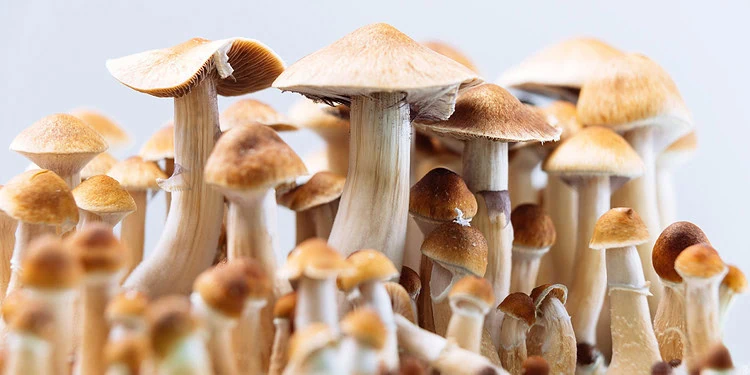
Psilocybin therapy offers relief from multiple psychiatric symptoms in cancer patients
Psilocybin-assisted psychotherapy improved interpersonal sensitivity, hostility, obsession-compulsion, and somatization in cancer patients without causing lasting phobia, paranoia, or psychosis, suggesting its potential as a multidimensional treatment for complex psychiatric distress.
Read moreDetails
A single dose of psilocybin leads to long-lasting optimism boost in animal study
A single psilocybin dose increased optimism and engagement in rats for two weeks by enhancing reward processing and reducing loss aversion. These findings suggest psilocybin may help address depressive symptoms like withdrawal and pessimism.
Read moreDetails
Changes in dysfunctional attitudes linked to improved wellbeing after psychedelic use
A recent study found that improvements in wellbeing after a psychedelic experience were most strongly linked to changes in dysfunctional attitudes, such as rigid thought patterns.
Read moreDetails