
Psychedelic retreats linked to mental health improvements in people with severe childhood trauma
Individuals with a history of severe childhood trauma who attended ceremonial psychedelic retreats reported marked reductions in anxiety and increased well-being. The findings suggest psychedelics could offer a novel approach for populations historically resistant to traditional mental health therapies.
Read moreDetails
Fake medicine yields surprisingly real results for older adults’ memory and stress
You do not have to be tricked to experience the placebo effect. A recent study reveals that older adults who knowingly took fake sugar pills still saw real improvements in their short-term memory, physical mobility, and daily stress levels.
Read moreDetails
Young men steadily catch up to young women in online appearance anxiety
Young people who spend a lot of time comparing their bodies to others on the internet maintain those concerns into adulthood. A new longitudinal study reveals how digital appearance anxieties eventually catch up to almost all adolescents.
Read moreDetails
New research links meaning in life to lower depression rates
A new review of over 250,000 individuals reveals that having a clear sense of meaning in life is consistently linked to lower levels of depression, though the strength of this protection varies widely across different ages and cultural backgrounds.
Read moreDetails
High sugar intake is linked to increased odds of depression and anxiety in new study
A recent study found that consuming high amounts of sugar and sweetened beverages is associated with a greater chance of experiencing depression and anxiety.
Read moreDetails
An unpredictable childhood predicts greater psychological distress during the Israel-Hamas war
A new longitudinal study reveals that Israeli adults who experienced chaotic, unpredictable childhoods suffered sharper spikes in psychological distress following the outbreak of the 2023 Israel-Hamas war.
Read moreDetails
Maternal exposure to short-chain PFAS causes persistent memory problems in adult rats
Exposure to supposedly safer alternatives to traditional forever chemicals during early development causes lasting cognitive problems in adult rats. Emerging research suggests these widely used synthetic compounds can severely disrupt the physical construction of the mammalian brain.
Read moreDetails
Early life stress fundamentally alters alcohol processing in the brain
A new study in rats shows how experiencing social isolation during adolescence directly changes the brain’s chemical response to alcohol, altering dopamine pathways linked to reward and aversion and paving the way for future substance use issues.
Read moreDetails
Autism associated with age of maternal grandparents in new study
A new study analyzing over 1.7 million birth records in California reveals that the age of maternal grandparents may be linked to the likelihood of their grandchildren developing autism. The patterns vary substantially across different racial and ethnic groups.
Read moreDetails
A common antidepressant shows promise in treating methamphetamine dependence
While millions struggle with methamphetamine addiction worldwide, no approved medical treatments exist. Recent research shows that an affordable, common antidepressant called mirtazapine could provide a much-needed pharmacological tool to help patients reduce their meth consumption.
Read moreDetails
A smaller social network increases loneliness more drastically for those with depression
While having fewer social contacts makes anyone feel lonely, a new study finds this effect is much more severe in depressed individuals. Researchers suggest depression treatments must actively help patients rebuild their social networks.
Read moreDetails
Hikikomori: Can psychological resilience prevent extreme social withdrawal?
Extreme social withdrawal is a growing problem for young adults worldwide. New research indicates that psychological resilience acts as a protective shield, preventing depressive symptoms from spiraling into chronic isolation and helping young people stay connected to society.
Read moreDetails
Anxious young adults are more likely to develop digital addictions
New research reveals that young adults with social anxiety are highly vulnerable to social media addiction. Tracking users over several months, investigators found that a habit of comparing oneself to others online often fuels this digital dependency.
Read moreDetails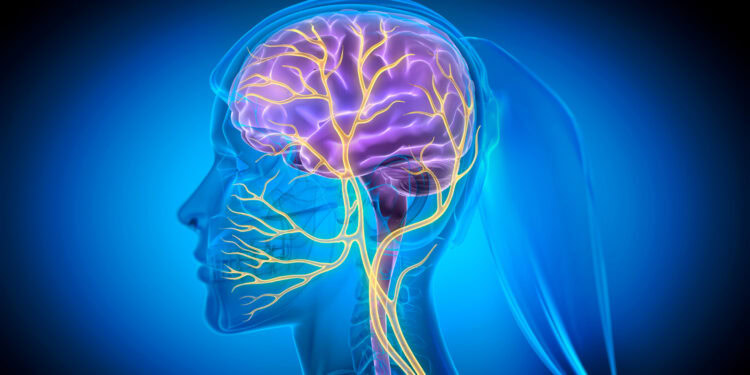
How stimulating the vagus nerve could protect the brain from Alzheimer’s disease
Alzheimer’s disease pathology begins early in a tiny brain region called the locus coeruleus. Emerging research suggests that stimulating the vagus nerve could help regulate this critical area, potentially preventing memory loss and early cognitive aging.
Read moreDetails
“Falling back” makes us more miserable than “springing forward,” new study finds
Changing the clocks twice a year is universally despised, but a new analysis of social media posts reveals that the transition to Standard Time in the fall causes a deeper, longer-lasting negative mood than the spring shift.
Read moreDetails