
Genetic predisposition for inflammation linked to a distinct metabolic subtype of depression
A person's inherited risk for inflammation may help predict their response to antidepressants and define a distinct, metabolic form of depression, according to a new study.
Read moreDetails
Researchers identify the optimal dose of urban greenness for boosting mental well-being
When it comes to the mental health benefits of urban green space, a moderate amount is best, a new study concludes. The research in Nature Cities synthesizes decades of data to find the relationship is an inverted U-shape.
Read moreDetails
Controlled fear might temporarily alter brain patterns linked to depression
A new study suggests that engaging with frightening entertainment may temporarily disrupt brain patterns associated with depression. The research shows that controlled fear exposure reduced brain hyperconnectivity linked to rumination and engaged emotion-regulation circuits.
Read moreDetails
New research finds a two-way link between adversity and psychosocial problems from childhood to adolescence
A new study indicates that both family struggles and outside stressors shape adolescent behavior and wellbeing. The results suggest a two-way relationship, where early emotional or behavioral problems can also increase exposure to later adversity.
Read moreDetails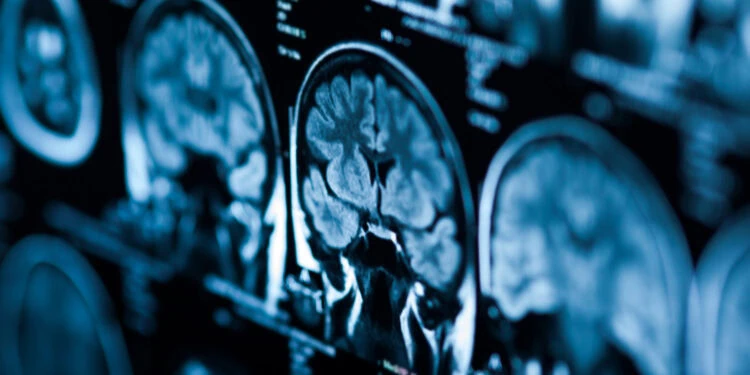
The good news about brain aging: better sleep can make a difference
A new study of over 27,000 adults reveals a direct link between poor sleep and accelerated brain aging. Researchers found those with unhealthy sleep habits had brains that appeared structurally older on MRI scans than their chronological age.
Read moreDetails
Childhood poverty and neglect show stronger links to teen depression than bullying
Depression and anxiety in adolescents appear closely linked to both parental and childhood adversity. The research points to deprivation, such as poverty and neglect, as a powerful predictor of teenage mental health struggles, highlighting the importance of early intervention.
Read moreDetails
Illicit fentanyl is poisoning pets, study shows
A new study published in the Journal of Addiction Medicine finds that cats and dogs are being poisoned by illicit fentanyl. The findings suggest the opioid crisis is reaching beyond humans and putting household pets at serious risk.
Read moreDetails
Typing patterns on smartphones offer clues to cognitive health, new research suggests
Everyday smartphone use may reveal more about the brain than previously thought. Researchers found that slower typing speeds were linked to poorer cognitive performance, suggesting that phone keystrokes could provide early clues about mental functioning.
Read moreDetails
Altered brain activity patterns affect ADHD risk, not vice versa
A new study provides genetic evidence that altered brainwave patterns are a cause, not an effect, of ADHD. Researchers found that a person's innate level of resting alpha-band activity can directly influence their risk of developing the disorder.
Read moreDetails
New study links mother’s selfie habits to her teen’s interest in cosmetic surgery
New research reveals an indirect path from a mother's selfies to her teen's thoughts on cosmetic surgery. The study shows the influence is channeled through the adolescent’s imitation of these behaviors and their resulting body image concerns.
Read moreDetails
Scientists find a difficult past may create a kind of psychological inoculation against future stress
How you judge stress may depend on your past. A new study shows that recent depression makes stressors seem worse, but a difficult childhood may build resilience, making them seem less severe.
Read moreDetails
Sexual consent tends to decline with age for women who have experienced nonconsensual sex
A new study suggests that women who have experienced sexual trauma may feel less willing and less able to communicate sexual consent as they age. The findings highlight how past nonconsensual experiences may shape sexual wellbeing across the lifespan.
Read moreDetails
Cannabis use in adolescents is associated with more frequent psychotic-like experiences
A study of adolescent twins links occasional cannabis use with increased psychotic-like experiences. The findings suggest the relationship is shaped by individual environments rather than shared genetics or specific brain connectivity patterns.
Read moreDetails
Psychiatrists detail bizarre case of incubus syndrome triggered by alcohol withdrawal
Psychiatrists have documented the rare case of a man whose alcohol withdrawal triggered a distressing hallucinatory condition. His experiences involved complex and threatening sexual visions, providing a unique look at a poorly understood syndrome.
Read moreDetails
Women with larger breasts tend to report higher self-esteem, study finds
Researchers set out to investigate how physical traits like breast size might be connected to psychological factors such as body image and self-esteem. The study focused on adult women and considered both biological measurements and social characteristics.
Read moreDetails