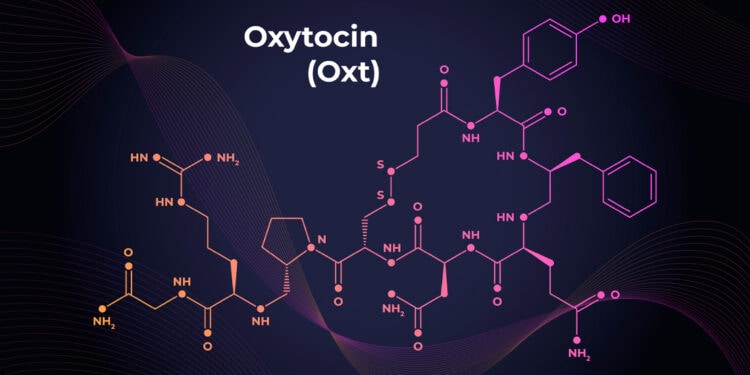
Oxytocin influences moral emotions and decisions, study shows
Researchers found that oxytocin, delivered via nasal spray, increases feelings of guilt and shame and makes people less likely to harm others, even if it benefits others, highlighting its potential to enhance moral sensitivity and empathy.
Read moreDetails
New psychology research shows self-beautifying can boost prosocial behavior — here’s why
Improving appearance—through makeup, hairstyling, or filters—heightens public self-awareness, making people more likely to engage in prosocial behaviors like donating or ethical shopping.
Read moreDetails
Neurolinguistic priming reveals contrasting gender biases in Republicans and Democrats
Republicans judged women’s authority violations more harshly than men’s, while Democrats judged men’s violations more harshly than women’s. These biases diminished when gender information appeared later in sentences, highlighting the influence of framing on moral judgments.
Read moreDetails
Researchers identify a morality-related psychological factor that is linked to infidelity
A new study has found that individuals prone to moral disengagement reported more cheating, suspected their partners of infidelity more often, and had lower relationship satisfaction.
Read moreDetails
Superhero films can encourage prosocial behavior, new study finds
Recent research suggests that watching superhero films can boost prosocial behavior. This effect is mediated by increased empathy and moral justification, where viewers identify with the hero and see their actions as morally right.
Read moreDetails
Misreading the data: Moral convictions influence how we interpret evidence of anti-women bias
New research suggests that strong moral convictions about gender equality lead individuals to be more trustful of rigorous studies showing discrimination, but also bias their judgment, causing them to see discrimination even when evidence suggests otherwise.
Read moreDetails
Anticipated emotions shape moral praise and character judgments of helpers
New research published in Journal of Personality & Social Psychology shows that people’s anticipated emotional responses to situations significantly shape their moral praise and character judgments of others.
Read moreDetails
Attractive faces influence fairness decisions, reducing negative reactions to unfair proposals
A new study reveals that facial attractiveness and positive personality traits independently reduce negative emotional responses to unfair offers in economic decision-making, highlighting that beauty and charm can bias fairness judgments.
Read moreDetails
Perpetrator likeability and tactics influence accountability in cancel culture
Can a perpetrator’s charm or choice of tactic alter how the public perceives their guilt? New research explores how personality and behavior influence judgments in sexual assault cases.
Read moreDetails
Alcohol-related imagery disrupts moral processing in the brains of people with alcoholism
A new neuroimaging study has found that people with alcohol use disorder show reduced brain activity when alcohol-related distractions are present.
Read moreDetails
Does feeling attractive make us more generous?
A study published in Marketing Letters found that self-perceived attractiveness can promote prosocial behavior through increased public self-consciousness and impression management, but only when these actions are visible to others.
Read moreDetails
What traits make someone morally exceptional? New study has answers
A study found consensus on traits like empathy, moral identity, and attentiveness defining morally exceptional individuals, though perceptions varied by political beliefs, with conservatives emphasizing authority and religiosity, and liberals prioritizing empathy, fairness, and harm reduction.
Read moreDetails
People who pledge 10% of their income to charity are more morally expansive and open-minded
According to a new study, people who have taken the Giving What We Can (GWWC) pledge to donate at least 10% of their income to charity display distinct cognitive and personality traits.
Read moreDetails
Moral character is shaped by self-view, reputation, and shared perceptions
Researchers found that perceptions of moral character are highly subjective, with significant differences between self-perceptions and others' views, largely influenced by individual biases.
Read moreDetails
Researchers uncover the hidden drivers of everyday moral courage
New research shows that dispositional self-efficacy increases the likelihood of intervening in everyday moral violations, while moral disengagement decreases it. Emotions like anger motivate intervention, whereas fear inhibits it, highlighting key factors in moral courage.
Read moreDetails