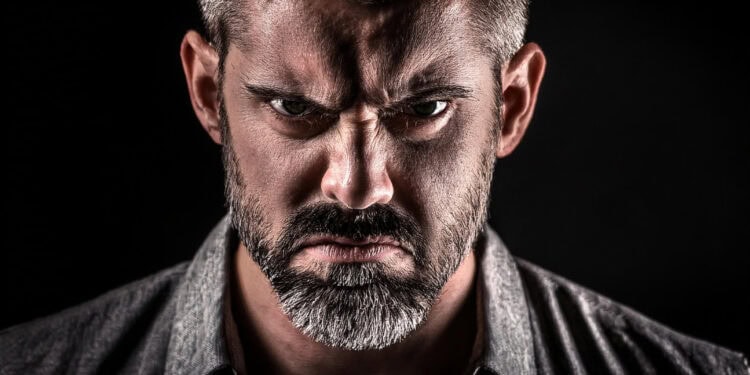
Narcissists, psychopaths, and sadists often believe they are morally superior
New research has found that individuals with traits like narcissism, Machiavellianism, psychopathy, and sadism often believe they are morally superior to others, despite engaging in immoral behavior.
Read moreDetails
Researchers observe a surprising moral tendency among impulsive psychopaths
Psychopathic individuals with high impulsivity tend to make harm-averse, deontological choices in high-emotion scenarios, according to a new study.
Read moreDetails
Study reveals lasting impact of compassion training on moral expansiveness
Training in compassion through Compassion Focused Therapy significantly expanded participants' moral circles, increasing concern for a wider range of beings, including family, strangers, animals, and the environment, with effects growing stronger over a three-month period.
Read moreDetails
Older adults’ moral judgments are more influenced by malicious intent than younger adults
Older adults judge harmful intentions more harshly and accidental harm more leniently than younger adults, highlighting age-related differences in moral sensitivity and emotional reactions to sociomoral violations.
Read moreDetails
Can inequality affect morality? Research shows potential connection
Research suggests that people may expect to behave more unethically when they perceive higher economic inequality, potentially decreasing societal trust and cooperation.
Read moreDetails
Moral shame drives antiwar actions in Russia, study reveals
Moral shame, driven by democratic values, is a significant predictor of antiwar actions in Russia, whereas guilt and image shame are less influential, according to new psychology research.
Read moreDetails
AI-generated moral advice seen as superior to human answers, study finds
A study found that people prefer AI-generated responses to moral dilemmas over human ones, viewing them as more virtuous and trustworthy, raising concerns about uncritical acceptance of AI advice.
Read moreDetails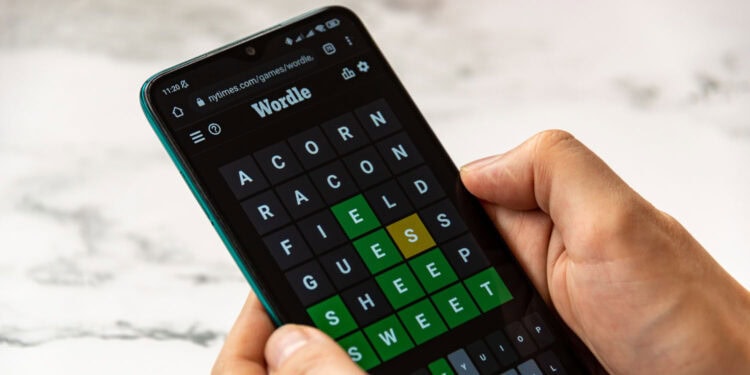
Looking up Wordle answers? Cheating patterns suggest influence of religious and cultural factors
Research reveals that U.S. states with higher religiosity and stricter cultural norms exhibit lower rates of cheating in the online game Wordle.
Read moreDetails
Victim characteristics sway moral views on sexual assault of sex robots
New research shows that moral judgments about sexual assault on AI-powered sex robots are shaped by the robots' perceived mental capacities, their roles in relationships, and the nature of their interactions with humans.
Read moreDetails
Pride drives cycle of greed, according to new psychology study
A series of studies in the Journal of Personality found that greedy people briefly feel proud when they acquire something new, but this feeling fades quickly, leading them to keep wanting more.
Read moreDetails
ChatGPT exhibits higher altruism and cooperativeness than the average human
A recent study published in PNAS reveals that the behavior and personality traits of various versions of ChatGPT are not only indistinguishable from human responses statistically but also show heightened levels of altruism and cooperation.
Read moreDetails
Pandemic triage scenarios reveal surprising insights into explicit discrimination in moral decision-making
During the COVID-19 pandemic, ethical guidelines clashed with biases in ICU resource allocation. Despite principles advocating for non-discriminatory and random allocations, research found preferences emerged for younger, healthier, or socially valuable individuals.
Read moreDetails
Politics really is making “bastards of us all,” according to new psychology research
A study in Political Psychology reveals that people often lower their moral standards in political contexts, particularly against opposing groups. There was a consistent willingness to engage in or tolerate morally questionable behavior politically.
Read moreDetails