
Study links infant temperament, ADHD symptoms, and childhood maltreatment
Infant negative emotionality is associated with childhood maltreatment at ages 5 and 9 and ADHD symptoms at 5. ADHD symptoms at 5 increase maltreatment risk at 9, while maltreatment at 9 correlates with more severe ADHD symptoms at the same...
Read moreDetails
Parents are not to blame for their children’s picky eating, study finds
A recent study found that fussy eating is highly heritable (60–84%), stable from toddlerhood to adolescence, and influenced by shared environments only in early life.
Read moreDetails
Separated fathers struggle to maintain contact with children, especially daughters, study finds
A new study examines how Italian families use face-to-face, phone, and digital contact after parental separation, uncovering a persistent gender gap. Mothers maintain much closer relationships with their children than fathers, particularly with daughters.
Read moreDetails
New parents often underestimate partner’s attraction to them, study suggests
New mothers and fathers experience increased appearance insecurity, lower sexual satisfaction, and often underestimate their partner’s attraction to them during early parenthood, highlighting shared challenges in self-perception and relationship dynamics.
Read moreDetails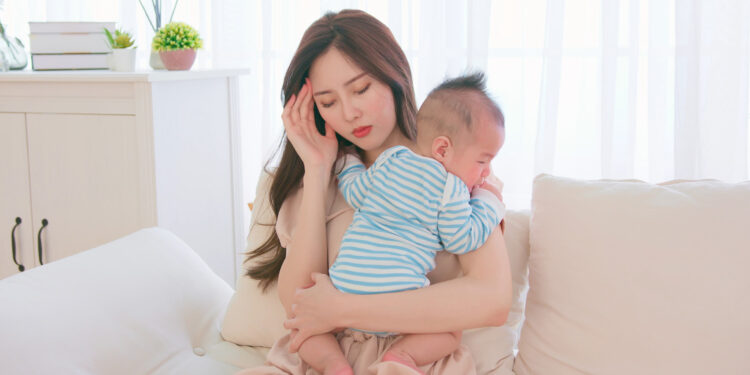
Cortisol levels in new mothers tied to parenting behavior and brain response to baby’s cry
Higher cortisol levels in new mothers are associated with reduced brain activity when hearing their babies cry and more intrusive caregiving behaviors, highlighting potential links between stress and parenting responses during the postpartum period.
Read moreDetails
“Difficult” children are only slightly more likely to have insecure attachments with parents
Children's difficult temperaments have only a minor effect on forming insecure attachment relationships with parents, refuting the idea that temperament largely determines attachment quality. Secure bonds can still develop despite challenging temperaments.
Read moreDetails
Widespread involuntary childlessness reported among U.S. adults and LGBTQ people in Israel
Involuntary childlessness—a distressing situation where people want but are unable to have children—is a widespread issue for lesbian, gay, and bisexual individuals in Israel and for all demographic groups in the United States.
Read moreDetails
Does spanking harm child development? Major study challenges common beliefs
New research indicates that spanking has minimal effects on children’s development, explaining less than 1% of behavioral outcomes. The study suggests that controlled, limited spanking may be effective for some young children, especially when used alongside milder discipline methods.
Read moreDetails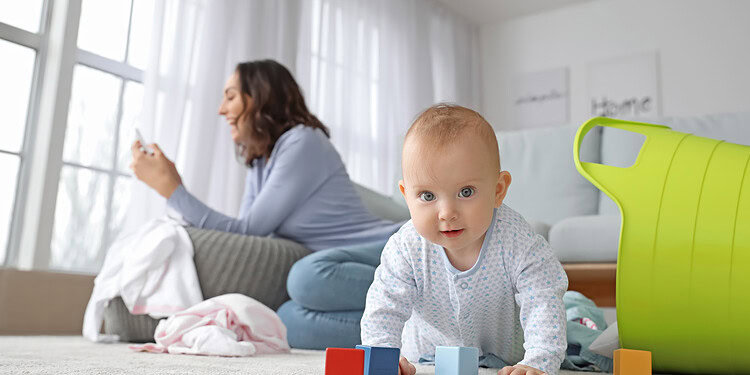
First study to capture real-time impact of phone use on infant speech environment
Recent research found that when mothers use their phones, they speak less to their babies, with a 16% decrease in speech overall and a 26% drop during short phone use periods.
Read moreDetails
Research reveals widening gap in fertility desires between Republicans and Democrats
A study found that young Republicans consistently express a desire for more children than Democrats, with this gap widening over time. The findings suggest political identity is increasingly linked to family size preferences, potentially affecting future demographic trends.
Read moreDetails
Screen-heavy households linked to poor language development in kids
Researchers found that higher screen use in families is associated with poorer language skills in young children. The study emphasizes the importance of parent-child interactions for language development, especially in screen-heavy households.
Read moreDetails
Parent phone use linked to family time disruptions and increased stress
Parents’ mobile phone use for social media and gaming can disrupt family time, with mothers more likely to use social media and perceive it as interfering with family time, while fathers report higher levels of mobile gaming.
Read moreDetails
Fathers can recognize their own child based on body odor, study finds
New research shows that fathers can recognize their own children by body odor with surprising accuracy.
Read moreDetails
Adolescents exposed to greater parental conflict more likely to have sleep problems as emerging adults
A study found that adolescents exposed to more parental conflict experienced lower sleep efficiency and more wake episodes in emerging adulthood, linking family stress during adolescence to long-term sleep problems. The findings highlight lasting impacts of parental conflict on sleep.
Read moreDetails
Can childhood tablet use fuel anger outbursts? New research suggests a weak connection
Recent research found that more tablet use at age 3.5 slightly increased frustration by age 4.5, and higher frustration at 4.5 was linked to increased tablet use by age 5.5, suggesting a small bidirectional relationship.
Read moreDetails