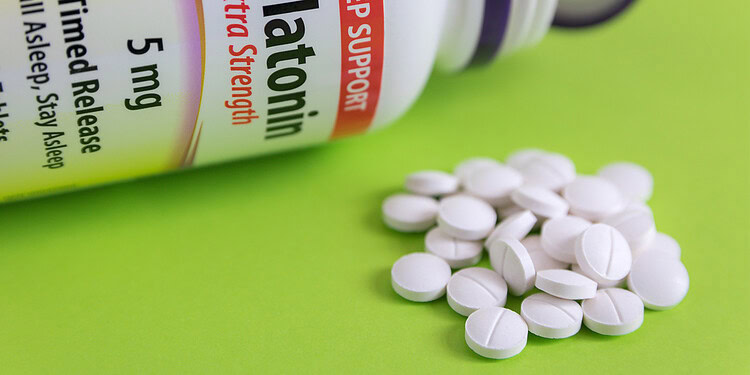
Melatonin supplements may boost DNA repair in night shift workers, new study finds
A randomized controlled trial has found that melatonin supplements taken after night shifts may enhance the body’s ability to repair oxidative DNA damage. The findings may offer insight into how to protect night shift workers from long-term health risks.
Read moreDetails
New study links low self-efficacy to bedtime procrastination
College students who struggle with confidence in their abilities may also struggle to get to bed on time, according to new research. The findings highlight how fear of missing out and social media use contribute to bedtime procrastination.
Read moreDetails
Lucid dreamers report reduced fear after confronting phobias in their sleep
A new study suggests that lucid dreaming might help people reduce fear by allowing them to confront frightening scenarios in their sleep. Participants who faced their fears during lucid dreams often reported feeling less afraid after waking up.
Read moreDetails
Neuroscientists uncover how sound processing shifts during sleep
Even in deep sleep, your brain doesn’t completely tune out. New research reveals that while sound processing in the cortex fades as sleep deepens, the brainstem keeps listening—providing insight into how the brain balances rest with environmental awareness.
Read moreDetails
A startling psychology study has linked nightmares to premature death
Bad dreams could be aging you from the inside out. Researchers have discovered that the nightly stress from nightmares may leave a mark on our DNA, accelerating biological aging and contributing to a significantly higher risk of premature death.
Read moreDetails
Study: 2024 presidential campaign negatively affected sleep for 17% of U.S. adults
A new nationally representative study reveals that the 2024 presidential campaign negatively impacted the sleep of about 45 million U.S. adults. The findings highlight how political stress can disrupt sleep health months before election day, especially for certain demographic groups.
Read moreDetails
Caffeine increases brain complexity during sleep, study shows
Think you can sleep fine after a late coffee? A new study suggests otherwise. Researchers found that while caffeine may not prevent sleep, it creates a "shallower" rest by increasing brain complexity and pushing it toward a more wake-like state.
Read moreDetails
Medicinal cannabis may actually worsen sleep, a new study finds
While many people use cannabis to help them sleep, a new study reveals a surprising outcome. Researchers found a single dose of a medicinal cannabis oil actually decreased total sleep time and significantly suppressed the REM sleep (or dreaming) phase.
Read moreDetails
Religious belief linked to lower anxiety and better sleep in Israeli Druze study
A new study of Israeli Druze adults finds that religious individuals report better sleep and less anxiety than their non-religious peers. The findings suggest that mental health—particularly anxiety—may help explain how religiosity influences sleep quality.
Read moreDetails
Dysfunction within the sensory processing cortex of the brain is associated with insomnia, study finds
New brain imaging research suggests that insomnia is linked to abnormal connectivity in brain regions that process sensory information. These disruptions may play a role in the sleep-wake imbalance that makes it so hard for some people to rest.
Read moreDetails
Hispanic adolescents experience later sleep timing and greater social jet lag than peers, study finds
Hispanic adolescents reported later sleep timing, greater social jet lag, shorter weekday sleep, higher caffeine intake, and more evening screen time than peers. Screen use and stress, but not caffeine, were linked to delayed sleep and sleep misalignment.
Read moreDetails
FACT CHECK: Does cheese cause nightmares? Here’s what the science actually says
The belief that cheese causes nightmares is an old tale, recently revived in news headlines. A new study investigates this claim, revealing a genuine link. The story, however, is more complex than a simple slice of cheddar before bed.
Read moreDetails
Frequent dreams and nightmares surged worldwide during the COVID-19 pandemic
An international study of over 15,000 adults across 16 countries found that dream recall and nightmares became more common during the pandemic, with sleep duration, age, and gender all playing a role in how often people experienced them.
Read moreDetails
Sleep helps stitch memories into cognitive maps, according to new neuroscience breakthrough
Scientists have discovered that forming a mental map of a new environment takes more than just recognizing individual places—it also requires sleep. The study highlights how weakly tuned neurons gradually become synchronized to encode space as a connected whole.
Read moreDetails
More time in bed benefits morning and evening-type teens differently, new study suggests
A new study finds that evening-type teens, who already struggle with depression and irritability, adjust their bedtimes and wake times differently when given longer nights of rest, suggesting that internal body clocks shape how adolescents benefit from more sleep.
Read moreDetails