
Dark personalities more prevalent in less democratic countries, massive study shows
A massive global study finds that people living in democratic nations are less likely to score high on the “dark triad” of Machiavellianism, narcissism, and psychopathy—and more likely to be empathetic and satisfied with life.
Read moreDetails
Authoritarian minds may be primed for conspiracy beliefs, study suggests
Contrary to popular belief, conspiracy theories may not drive democratic decline—rather, those who reject democracy seem more prone to conspiratorial thinking.
Read moreDetails
Authoritarian attitudes linked to altered brain anatomy, neuroscientists reveal
Neuroscientists have uncovered distinct brain structure patterns linked to authoritarian beliefs on both sides of the political spectrum.
Read moreDetails
Study challenges assumptions about authoritarianism and punitiveness in criminal sentencing
A new study challenges the idea that authoritarian personality traits predict harsh punishment preferences, revealing a more complex picture of how people form sentencing opinions.
Read moreDetails
Right-wing authoritarianism linked to perceived threat from minoritized groups, but national context matters
Individuals with strong right-wing authoritarian beliefs are more likely to perceive minoritized groups as a threat. This relationship was weaker in countries with higher religiosity or social marginalization, highlighting the influence of sociocultural context on authoritarian attitudes.
Read moreDetails
Algorithmic manipulation? TikTok use predicts positive views of China’s human rights record
New research shows TikTok users encounter less content critical of China and more content aligned with pro-CCP narratives compared to other platforms. Heavy TikTok users also report more favorable views of China’s human rights record.
Read moreDetails
Adolescents with authoritarian leanings exhibit weaker cognitive ability and emotional intelligence
Teens with lower intelligence and emotional abilities are more likely to support authoritarian beliefs, whether left- or right-wing, suggesting shared psychological traits underpin rigid, authority-driven ideologies across the political spectrum.
Read moreDetails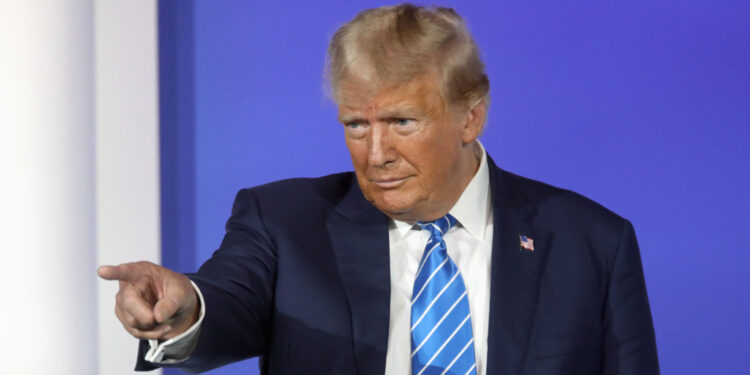
This psychological factor might help unite America or “destroy us from within”
Strong identity fusion with Donald Trump leads his supporters to view Democrats as existential threats, increasing support for authoritarian actions. But a strong national identity with "America" reduces these tendencies, highlighting a potential path to unity amidst political division.
Read moreDetails
Untangling the complex relationship between anxiety and right-wing populism
A new study sheds light on the relationship between anxiety and support for right-wing populist parties. The findings highlight that anxiety plays a significant role in shaping contradictory attitudes, driving both authoritarian submission and anti-elitism in different contexts.
Read moreDetails
Right-wing authoritarianism appears to have a genetic foundation
A recent study found right-wing authoritarianism and social dominance orientation have significant genetic underpinnings. The findings highlight the genetic influence on ideological attitudes.
Read moreDetails
Dark personality traits linked to engagement in environmental activism
New research links "dark" personality traits and left-wing authoritarianism with environmental activism, suggesting motivations may include both altruistic and self-serving aspects.
Read moreDetails
Left-wing anti-hierarchical aggression emerges as the strongest predictor of antisemitism in recent study
A recent study reveals that antisemitism is predicted not just by right-wing extremism, but also by facets of left-wing authoritarianism, with a strong correlation to beliefs in conspiracies as well. The research challenges the oversimplified view that antisemitism is exclusive...
Read moreDetails
Employees under authoritarian leaders are more likely to agree with misinformation, study finds
A study published in Scientific Reports has found that individuals with authoritarian bosses are more likely to agree with fake news, suggesting that leadership styles can influence perceptions of misinformation. Despite variations in demographics and political ideology, the study, which...
Read moreDetails
Authoritarianism mediates the relationship between television viewing and Trump support, study finds
Authoritarianism serves as a pathway between watching television and the level of support for Donald Trump, according to new research published in Public Opinion Quarterly. In other words, watching television can indirectly influence support for Trump by shaping or reinforcing...
Read moreDetails
People with a greater tendency for victimhood are more likely to engage in cyberbullying, according to new research
New research provides evidence that people with an elevated sense of victimhood are more likely to engage in cyberbullying. The findings provide a better understanding of how personality traits and authoritarian tendencies are related to abusive behavior on the internet....
Read moreDetails