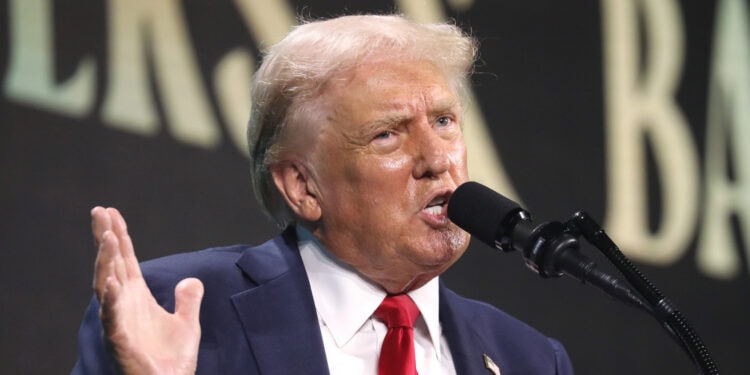
Researchers identify personality traits linked to Trump’s “cult-like” followership
Scientists investigating the "cult of personality" surrounding Donald Trump found that his staunchest supporters score unusually high in conscientiousness.
Read moreDetails
A psychologist spent 50 years studying egos. He has a lot to say about Trump’s signature.
How do you spot a narcissistic leader? Researchers have found a clue hiding in plain sight.
Read moreDetails
What scientists found when they analyzed 187 of Donald Trump’s shrugs
A study in Visual Communication suggests Donald Trump's shrug is a strategic tool to build rapport. Rather than expressing ignorance, the gesture often signals that a statement is an obvious truth he and his audience already share.
Read moreDetails
National prostalgia is associated with lower support for Donald Trump
New research explores how emotional connections to a nation’s past or future are associated with political preferences and social attitudes, suggesting that national nostalgia relates to more prejudice, while national prostalgia tends to align with more inclusive views.
Read moreDetails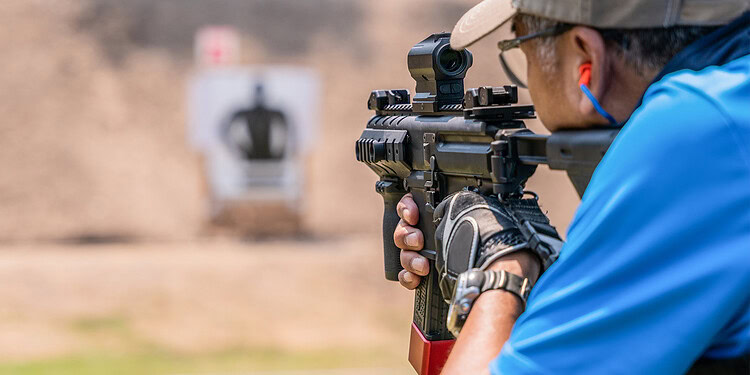
Trump supporters diverge from other gun owners on views of democracy, study finds
New research reveals that partisanship, specifically support for Donald Trump, splits gun owners on democratic values. While the group as a whole is no less democratic than non-owners, a pro-Trump subgroup holds significantly less supportive views on key issues.
Read moreDetails
New paper unpacks how Trump uses “strategic victimhood” to justify retaliation
A new analysis highlights how Trump used victimhood claims to frame economic suffering, then followed them with promises of retribution. This pattern allowed him to present sweeping policy changes as emotionally and morally justified responses to long-standing grievances.
Read moreDetails
Researchers rushed to study the aftermath of the Trump shooting. Here’s what they found
Four new studies shed light on how Americans responded to the attempted assassination of Donald Trump. From shifting political attitudes to changing speech patterns and misinformation, researchers offer early insights into the psychological and social aftermath of the 2024 shooting.
Read moreDetails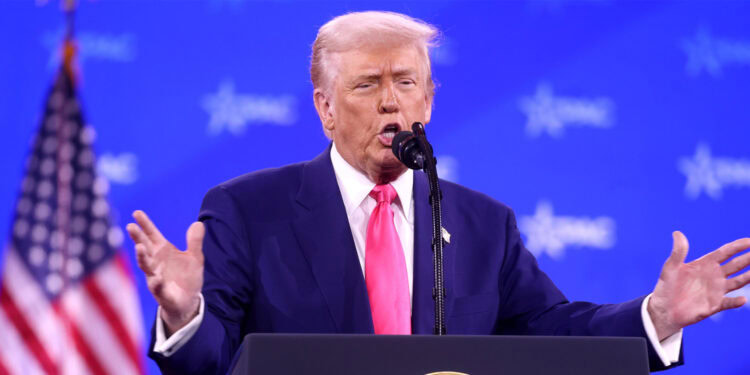
Trump shows signs of cognitive shift after 2024 shooting, study suggests
A new study analyzing Donald Trump’s campaign speeches suggests he may have experienced a cognitive shift following the 2024 assassination attempt. Researchers found his post-shooting language reflected a return to earlier metaphorical patterns seen during his 2016 presidential campaign.
Read moreDetails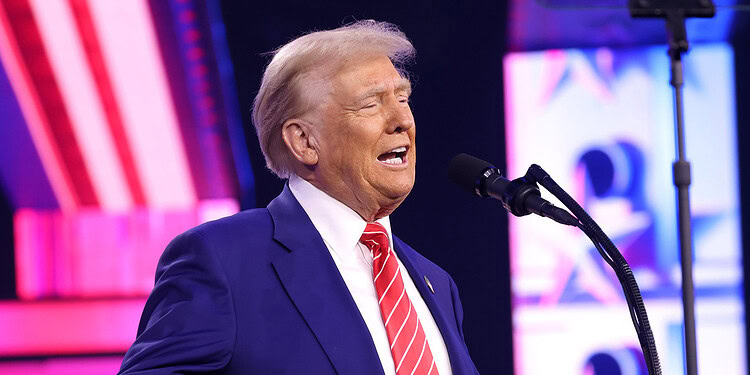
It’s not social media: What’s really fueling Trump shooting conspiracies might surprise you
A new study suggests the strongest driver of conspiracy beliefs about the Trump assassination attempt wasn’t social media or cable news. Instead, researchers found an unexpected social factor that could explain why some people fall for these narratives.
Read moreDetails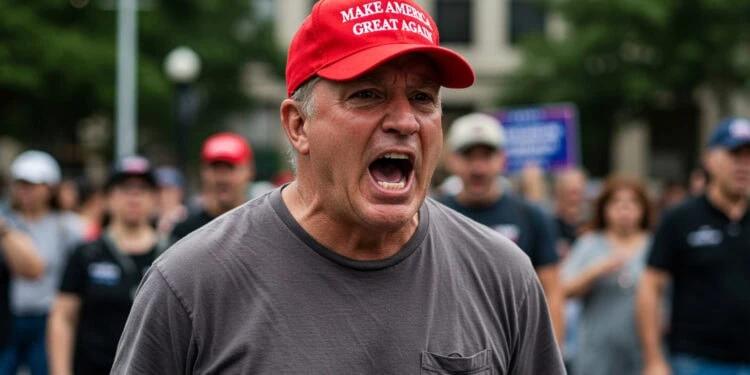
Trump supporters report higher levels of psychopathy, manipulativeness, callousness, and narcissism
Support for Donald Trump is linked to darker personality traits, including increased psychopathy and decreased empathy, new research finds. The study also connects conservative political beliefs to lower benevolence, suggesting personality may shape how people engage with politics and ideology.
Read moreDetails
These psychologists correctly predicted Trump’s 2024 victory based on a single factor
In a rare example of psychological research predicting an election before it happened, a team of researchers used campaign language to anticipate Donald Trump’s 2024 victory—and got it right.
Read moreDetailsTrump’s speeches stump AI: Study reveals ChatGPT’s struggle with metaphors
Can an AI understand a political metaphor? Researchers pitted ChatGPT against the speeches of Donald Trump to find out. The model showed moderate success in detection but ultimately struggled with context, highlighting the current limits of automated language analysis.
Read moreDetails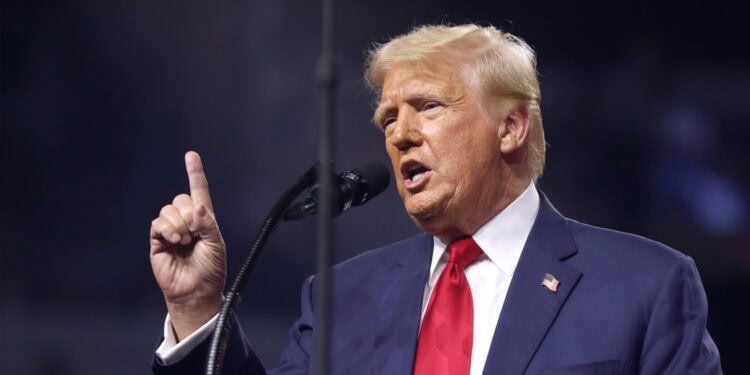
New research shows the psychological toll of the 2024 presidential election
Among young adults, stress from election news was linked to higher risks of depression and anxiety, while pre-election anticipatory stress was linked to depression only. Stress about the election outcome was not associated with either condition.
Read moreDetails
Viral AI-images highlight how Trump engages in “victimcould,” scholar argues
How can one of the world's most powerful men also be its biggest victim? A new paper argues it’s a political strategy based on hypothetical, not actual, harm—a concept the author calls “victimcould” used to justify present-day aggression.
Read moreDetails
Racial insecurity helped shield Trump from Republican backlash after Capitol riot, study suggests
Despite widespread condemnation of the January 6th attack, many white Republicans remained loyal to Trump—especially those who perceived anti-white discrimination. A new study shows how racial status threat can protect political leaders from the consequences of norm violations.
Read moreDetails