
Bored individuals are more likely to develop social media addiction
Researchers exploring social media addiction in Türkiye found that boredom and manipulative personality traits were key contributors. While loneliness was not a significant factor, individuals high in Machiavellianism and sadism reported more addiction symptoms, especially when boredom in life was...
Read moreDetails
Spontaneous mind wandering linked to heavier social smartphone use
People who frequently experience unintentional mind wandering spend more time using their smartphones for social purposes, according to new research. The study also found that mindfulness may reduce this link by weakening the mental preoccupation with online content.
Read moreDetails
Moral outrage spreads petitions online—but doesn’t always inspire people to sign them
Posts expressing moral outrage were more likely to go viral but did not lead to more petition signatures, while posts using agentic, group identity, or prosocial language attracted more signatures despite receiving less online engagement.
Read moreDetails
People with short-video addiction show altered brain responses during decision-making
People who frequently use short-video apps like TikTok may show reduced loss sensitivity and impulsive decision-making, according to a new neuroimaging study that links addictive use patterns to changes in brain activity during risky choices.
Read moreDetails
Scientists show how you’re unknowingly sealing yourself in an information bubble
Scientists have found that belief polarization doesn’t always come from misinformation or social media bubbles. Instead, it often begins with a simple search. Our choice of words—and the algorithm’s response—can subtly seal us inside our own informational comfort zones.
Read moreDetails
TikTok and similar platforms linked to body dissatisfaction and eating disorder symptoms
Frequent use of platforms like TikTok and YouTube Shorts is linked to disordered eating symptoms among teens, according to new research. The study found that body comparisons and dissatisfaction may help explain this troubling association—especially among girls.
Read moreDetails
Maximization style and social media addiction linked to relationship obsessive compulsive disorder
Researchers have identified connections between obsessive thoughts about relationships, emotional closeness, and habits like social media addiction and striving for perfection. The findings highlight risk factors that can deepen doubt and tension in romantic connections, especially when conflict is present.
Read moreDetails
Believing “news will find me” is linked to sharing fake news, study finds
People who rely on social media to “stumble upon” news are more prone to spreading misinformation, according to a new longitudinal study.
Read moreDetails
Memes can serve as strong indicators of coming mass violence
A new study finds that surges in visual propaganda—like memes and doctored images—often precede political violence. By combining AI with expert analysis, researchers tracked manipulated content leading up to Russia’s invasion of Ukraine, revealing early warning signs of instability.
Read moreDetails
TikTok “edits” can reshape how voters see politicians, study suggests
A new study finds that TikTok-style “edits” portraying politicians as attractive or powerful can sway public perceptions, boosting attractiveness and favorability—especially for Donald Trump. These videos may signal a shift in how political influence is crafted and consumed.
Read moreDetails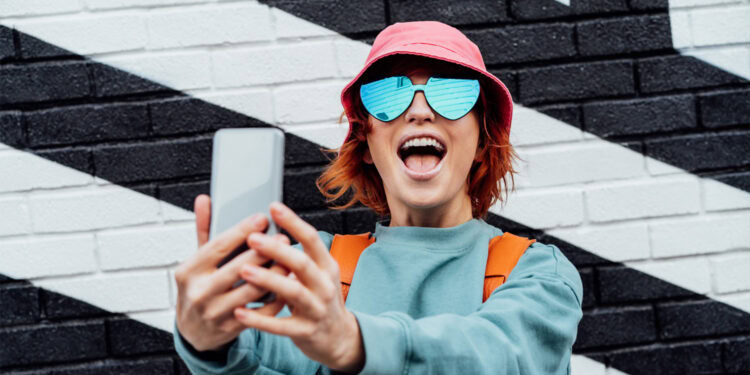
Extraversion, narcissism, and histrionic tendencies predict the desire to become an influencer
Teens who score higher in extraversion, narcissism, and dramatic emotional expression are more likely to want to be influencers, according to a new study. The findings suggest that personality shapes how young people see their future in the digital age.
Read moreDetails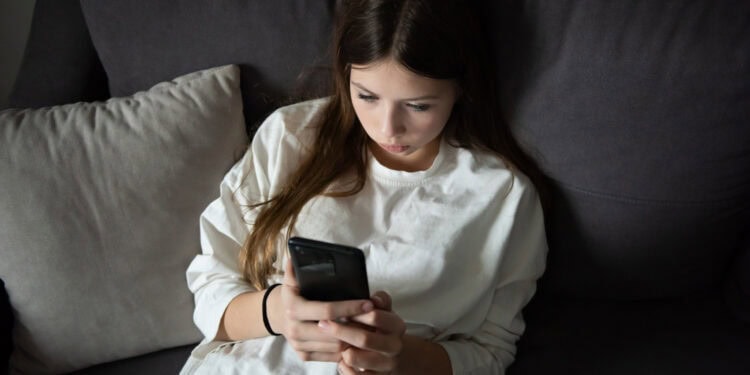
Passive scrolling linked to increased anxiety in teens, study finds
New research shows that teens who spend more than two hours a day on screens—especially passively scrolling through content—are more likely to report anxiety and emotional or behavioral problems, even when accounting for age, gender, and existing vulnerabilities.
Read moreDetails
Sharing false information online boosts visibility for Republican legislators, study finds
A new study reveals that U.S. state legislators who posted false or inflammatory content during times of political turmoil sometimes gained online visibility—especially Republicans spreading low-credibility claims. But uncivil language often had the opposite effect, particularly for extremists.
Read moreDetails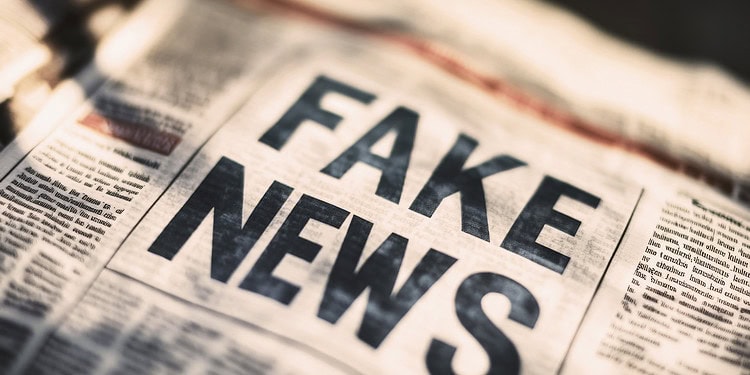
Political lies have a pattern — and radical-right populist parties are leading the charge
Analyzing millions of tweets, researchers found that misinformation is strongly linked to radical-right populist parties—not populism in general or partisan politics alone.
Read moreDetailsMost TikTok fitspiration content promotes misinformation and unrealistic body ideals
TikTok’s popular fitness hashtags are flooded with idealized bodies, objectifying imagery, and questionable health advice, according to a recent study.
Read moreDetails