A study of mice fed a high-fat/high-fructose diet (designed to induce obesity) found that 12 weeks of treatment with low-dose psilocybin reduced weight gain, symptoms of fatty liver, hyperglycemia, and insulin resistance. It did not produce observable effects on the central nervous system. The paper was published in Pharmacological Research.
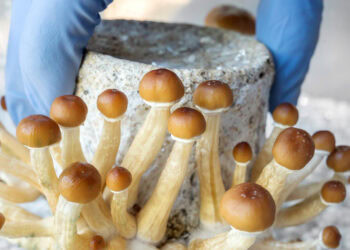
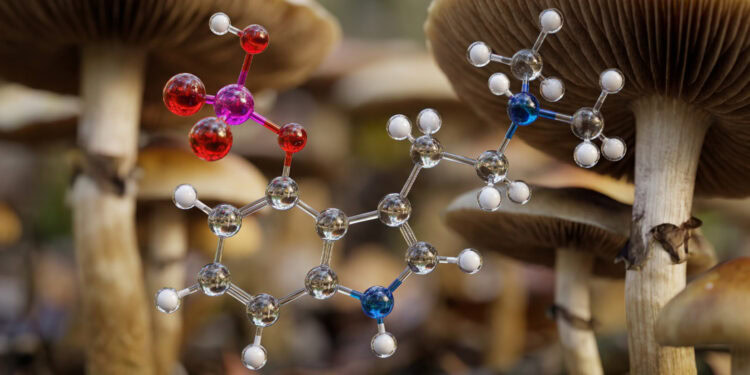
Psilocybin is a naturally occurring psychedelic compound found in certain species of mushrooms, often referred to as “magic mushrooms.” In the body, psilocybin is converted into psilocin, which affects brain function by acting primarily on serotonin (5-HT2A) receptors. These effects can alter perception, mood, cognition, and sense of self. Subjective experiences may include changes in visual perception, intensified emotions, and altered patterns of thought.
Historically, psilocybin-containing mushrooms have been used in ritual and spiritual practices in several cultures. In contemporary science, psilocybin has gained attention for its potential therapeutic effects. Clinical research suggests it may reduce symptoms of depression, anxiety, and existential distress, particularly in controlled, supportive settings.
Psilocybin-assisted therapy typically combines the drug with psychological preparation and integration sessions. The compound is generally considered to have low addiction potential, though its effects can be psychologically intense. Legal status varies widely across countries, with some allowing medical or research use and others maintaining strict prohibitions.
Study author Martina Colognesi and her colleagues wanted to investigate the potential therapeutic effects of low, non-psychedelic doses of psilocybin in mice. They were interested in the potential of psilocybin to treat obesity, type 2 diabetes mellitus, and liver steatosis. Liver steatosis, or fatty liver, is a condition characterized by the excessive accumulation of fat within liver cells, often associated with metabolic disorders, alcohol use, or insulin resistance.
The study was conducted on C57BL/6J mice, a widely used inbred strain of laboratory mice. The genetic background of these mice is well defined, making them one of the strains used regularly in genetic, behavior, and neuroscience research. Study authors used male mice because males do not experience the cyclic hormonal fluctuations of estrous cycles seen in female mice.
The mice were fed a diet rich in both fats and fructose. This was done by adding 30% fructose to the drinking water for 17 weeks. In this diet, 60% of the energy intake of these mice came from fat. This type of treatment is known to induce obesity and type 2 diabetes, as well as liver steatosis in mice.
After the first 5 weeks, the mice were divided into two groups. One group received 0.05 mg per kilogram of body weight of psilocybin via oral gavage (direct administration into a mouse’s stomach using a feeding tube) for the remaining 12 weeks. The other group was a control group that received water during the same period in the same way. After this period, mice underwent a series of behavioral tests, and study authors performed a series of biochemical analyses on them and analyzed their tissues.
Results showed that, compared to the control group, mice that received psilocybin had reduced body-weight gain, liver steatosis, hyperglycemia, and insulin resistance. Interestingly, the psilocybin treatment did not elicit effects on the central nervous system of these mice.
Further analyses revealed that lipid pathways in the liver and carbohydrate metabolism were almost completely normalized in the group of mice receiving psilocybin. Additionally, study authors report that psilocybin treatment improved muscle strength and function in these mice, potentially by restoring their leptin sensitivity. Leptin is a hormone that regulates energy balance by signaling the brain to reduce appetite and increase energy expenditure.
“Overall, chronic low-dose psilocybin exerts broad metabolic benefits via a hepatic 5-HT2B-dependent mechanism [a mechanism in the liver involving the 5-HT2B serotonin receptor], distinct from its psychedelic effects, supporting its potential as a novel therapeutic strategy for liver steatosis, obesity, T2DM [type 2 diabetes mellitus], and sarcopenia,” the study authors concluded.
The study contributes to the scientific understanding of the potential therapeutic effects of psilocybin. However, it should be noted that the study was conducted on mice, not on humans. While mice and humans share many physiological similarities, they are still very different species. Results in humans might not be identical.
The paper, “Low, non-psychedelic doses of psilocybin as a novel treatment for MASLD, obesity and Type 2 Diabetes via 5-HT2B receptor-dependent mechanisms,” was authored by Martina Colognesi, Daniela Gabbia, Anna Signor, Miles Sarill, Lucia Centofanti, Andrea Rinaldi, Luciano Cascione, Sara Nunziata, Marco Banzato, Andrea Mattarei, Giovanna Finzi, Sonia Sonda, Diana Pendin, Ilaria Zanotto, Stefano Comai, Gianfranco Pasut, Abdullah Alajati, Miriam Saponaro, Loredana Bucciarelli, Maria Elena Lunati, Giulia Guarato, Ilaria Goggi, Stefano La Rosa, Camillo Morano, Rita Clara Paroni, Michele Dei Cas, Giuseppe Daniele, Marco Gentilucci, Marco Pappagallo, Andrea Alimonti, Paolo L. Manfredi, Franco Folli, and Sara De Martin.