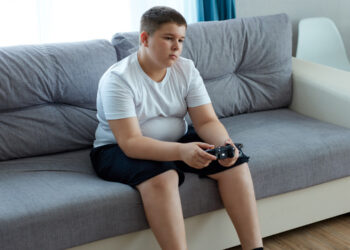
A study of middle school students in the U.S. and Lithuania reported that adolescents who are athletic and attractive are a bit more likely to be popular among their peers. Popular adolescents were less likely to experience adjustment difficulties i.e., feel lonely or misuse alcohol. The study was published in the Journal of Youth and Adolescence.
A classic study of high school students conducted more than 60 years ago first demonstrated that attractive and athletic high school students have many advantages in relationships with their peers. In all schools included in this study, more boys wanted to be remembered as star athletes than as good students. “Good looks” were among the first three necessary attributes for being a member of the leading crowd for girls in most schools.
More recent studies confirmed these findings – attractive and athletic adolescents still tend to be dominant in adolescent peer groups. Those low in attractiveness and athleticism tend to be their subordinates. The issue goes beyond just the status in adolescent social groups – unattractive and unathletic students tend to have elevated social anxiety, more interpersonal problems, and diminished educational and occupational achievements later in life.
Study author Mary Page Leggett-James and her colleagues wanted to examine the direct and indirect longitudinal associations of low attractiveness and athleticism with changes in status among peers and individuals’ adjustment problems over the course of a school year. They predicted that unattractive and unathletic youths will become increasingly unpopular as the year progresses and that this would make them feel lonelier and more likely to misuse alcohol. They also considered rejection by peers as a potential factor in these relationships.
Study participants were 238 students in a South Florida public school and 342 students enrolled in seven middle schools in a small city in Lithuania. The sample included students of different grades. Their ages were between 10 and 13 years. Students completed the same survey at 3 time points during a single academic year. To avoid the risk of self-selection bias, researchers included in the study only students from classrooms where more than 2/3 of students completed all surveys.
Students completed an assessment of popularity among peers. They were shown a list of students in their classroom and asked to nominate those they see as athletic (“good at sports”), attractive (“really good looking”), unpopular (“unpopular”), and rejected (“don’t like to spend time with”). Researchers counted the numbers of nominations each student received (divided by classroom size) and used these measures in their analyses. Additionally, students completed assessments of alcohol misuse (4 items, e.g., “How often have you drank so much beer, liquor, or wine that you got drunk?”) and loneliness (5 items, e.g., “I feel alone at school”).
Results showed that all the assessments were relatively stable throughout the year. Alcohol misuse varied the most. Attractiveness and athleticism nominations tended to be somewhat more stable compared to loneliness, unpopularity and rejection rates. Participants who got more attractiveness and athleticism nominations tended to have lower loneliness scores and to be less often selected as unpopular. Those more often chosen as attractive were less often selected as rejected. Unpopular participants a bit more often reported being lonely. They were also rejected more often.
Looking at associations between timepoints, participants who were rated as more attractive and more athletic at an earlier time point were somewhat less often selected as unpopular by their peers later. The researchers tested statistical models stating that lower attractiveness and lower athleticism lead to higher alcohol misuse and loneliness via unpopularity. The results supported both of these models, showing that such relationships between these variables are possible.
Similar results were obtained for rejection – individuals perceived as athletic at an earlier time point were a bit less likely to be lonely later. Participants seen as more attractive were a bit less likely to be rejected later. Results showed that a model in which lower attractiveness leads to later higher alcohol misuse via rejection is possible.
“Youth who lack traits valued by peers are at risk for adjustment difficulties that stem from deteriorating stature in the group. Students who are not attractive and students who are not athletic become increasingly unpopular across the school year. Growing marginalization, in turn, precipitates loneliness and alcohol misuse,” the study authors concluded.
The study makes a valuable contribution to the scientific understanding of factors determining social relations among adolescents. However, it should be noted that the associations between factors observed in this study were really tiny in magnitude. Although athleticism and attractiveness play a role, unpopularity, rejection, loneliness and alcohol misuse seem to be primarily determined by factors other than these two.
The study, “The Perils of Not Being Attractive or Athletic: Pathways to Adolescent Adjustment Difficulties Through Escalating Unpopularity”, was authored by Mary Page Leggett-James, Sharon Faur, Goda Kaniušonytė, Rita Žukauskienė, and Brett Laursen.