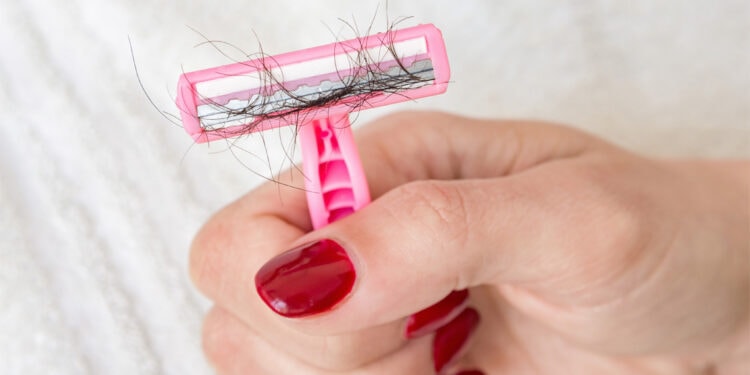

Pubic hair grooming behaviors can differ by gender, nationality, religion, relationship status, and more. Additionally, trends in pubic hair grooming, like many other forms of aesthetics and hygiene, can change significantly over time. A study published in Anzjog explores the reasons members of both sexes utilize pubic hair grooming.
Pubic hair grooming is a very personal choice that can be influenced by many factors, such as trends, sex, age, time period, and more. Additionally, pubic hair can affect a person’s self-esteem, with previous research suggesting that engaging in this grooming is related to higher genitalia satisfaction for women.
Another relevant factor is that removal of pubic hair can have health implications, such as removing hair to avoid pubic lice or skin irritation associated with waxing or shaving. Most research about pubic hair grooming habits has focused on women, and this study seeks to expand the body of literature by also including men.
For their study, Rebecca Deans and colleagues utilized 1,560 young adult participants to serve as their sample. All participants were aged 18 to 25 years old. Data was collected for two similarly aged cohorts, occurring in 2014 and again in 2021. Participants were recruited through the university and social media platforms.
Participants completed measures of demographic information, lifetime sexual partners, STD history, current techniques of removing genital hair, preferences for genital hair appearance, cosmetic procedure history, specifics about sexual activity, and pubic hair grooming attitudes and behaviors in the last year. Male participants only completed measures on their own grooming habits during cohort 2 in 2021.
Results showed that a majority of both male and female participants groomed their pubic hair, with 69.4% of the overall sample reporting participating in grooming behavior. “Traditionally, men have not engaged in depilatory behaviours, as the presence of body hair was considered masculine, attractive and virile. However, more recently it appears that the hairless physicality of males has been embraced, perhaps as exposure to pornography has increased with greater opportunities to engage in sex with the use of dating software applications,” the researchers wrote.
Female pubic hair grooming differed drastically between the 2014 and 2021 samples, with 70.3% of the former and only 29.3% of the latter reporting engaging in pubic hair grooming. Additionally, the 2014 female participants reported much greater satisfaction with their genital appearance than the 2021 sample.
The most popular reasons reported for pubic hair grooming habits were religion, seeing a doctor, preferring a neater or cleaner look, and relief of discomfort. Both sexes reported higher comfort during oral sex if there was less or no pubic hair. Females who reported grooming their pubic hair were more likely to watch pornography and more likely to consider cosmetic surgery or Botox.
“Furthermore, we found an association between [pubic hair grooming] and participants feeling confident about the appearance of their genitalia as a result of [pubic hair grooming] behaviours and improved sexual activity. Hence, there may be a positive correlation between how a groomer feels about the appearance of their genitals and their [pubic hair grooming] behaviours,” the researchers wrote.
This study took interesting steps into better understanding how pubic hair grooming habits are affected by a myriad of factors. Despite this, there are limitations to note. Firstly, there is no data on grooming habits for males in 2014 so we cannot know if the trends seen for the females were gender specific or not. Additionally, this study only included 18-25 year old’s who were English speaking; future research could utilize a more diverse sample.
The study, “Attitudes and practices associated with pubic hair grooming behaviours: A cross-sectional study“, was authored by Rebecca Deans, Cathy Kexin Cui, Catherine Tam, Ana Beatrice L. Coronel, Gabriela Rosa, and Brigitte Gerstl.