Subscribe
The latest psychology and neuroscience discoveries.
My Account
  • Mental Health
  • Social Psychology
  • Cognitive Science
  • Neuroscience
  • About
No Result
View All Result
PsyPost
PsyPost
No Result
View All Result
Home Exclusive Climate

Prolonged sun exposure associated with potential brain health risks, study finds

by Bianca Setionago
September 9, 2024
in Climate, Mental Health, Neuroimaging
(Photo credit: DALLĀ·E)

(Photo credit: DALLĀ·E)

Share on TwitterShare on Facebook

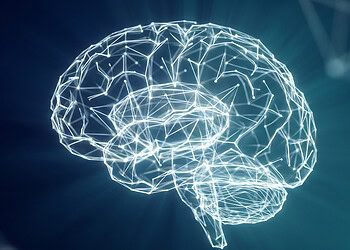
Researchers have found a potential link between prolonged exposure to natural sunlight and negative effects on brain health. Their study, published in Scientific Reports, indicates that spending more than two hours in the sun each day could be linked to decreased brain volume and increases in brain structural markers associated with disease, particularly in individuals under 60 years old and men.

Sunlight is often celebrated for its benefits, such as boosting mood and facilitating vitamin D production, which is essential for maintaining healthy bones and immune function. Previous studies have suggested that the brain can be affected by sunlight too, with increased brain temperature leading to a reduction in blood flow as the body tries to cool the brain. This may increase the risk of brain damage.

The researchers were motivated to explore this topic due to the limited understanding of how sunlight exposure affects brain structure. To address this gap, Huihui Li and colleagues from Qingdao University in China analyzed data from the UK Biobank, a population-based, large-scale study.

In total, 27,474 participants were analyzed, with an average age of 55 years. These participants had undergone brain scans and reported their average daily natural sunlight exposure. The researchers categorized participants based on their reported sunlight exposure, distinguishing between those who received less than 1.5 hours, 1.5 to 3 hours, and more than 3 hours of sunlight each day. Using statistical methods, they compared differences in brain structural markers across these groups. Factors such as age, sex, physical activity, average sleep duration, skin color, and history of disease were also accounted for.

The findings revealed a concerning trend: participants who reported longer sunlight exposure tended to have smaller brain volumes and increased white matter hyperintensities, which are considered markers of brain aging and can be linked to cognitive decline. Specifically, those in the highest exposure group (more than 3 hours) showed significant reductions in total brain volume, white matter, and gray matter compared to those with shorter exposure times. This effect was particularly pronounced in men and individuals under the age of 60.

ā€œThe mechanisms by which prolonged sunlight induces damage to brain structure are not fully understood,ā€ Li and colleagues explained. They proposed that, ā€œ[sun]light may…penetrate the skin and heat tissues, increasing brain temperature. Elevated brain temperature can alter [signal] transmission, leading to changes in brain function,ā€ and also ā€œthe UV radiation in natural sunlight can damage immune cells in the body, triggering inflammatory responses that can lead to damage.ā€

Interestingly, the study also identified a nonlinear relationship between sunlight exposure and brain health. While exposure up to two hours was associated with positive outcomes, exceeding this duration led to negative associations with brain volume. The researchers noted that these effects were more significant during the summer months, indicating that seasonal variations may play a role in how sunlight impacts brain structure.

The authors hypothesized a mechanism for this finding: ā€œmost of the vitamin D in the body is synthesized from sunlight exposure to the skin, and moderate sunlight exposure can maintain adequate levels of vitamin D which participates in maintaining brain function.ā€ Li and colleagues also suggested that, ā€œexposure to sunlight can regulate the release of neurotransmitters such as dopamine and serotonin in the brain, contributing to brain health.ā€

Google News Preferences Add PsyPost to your preferred sources

But the study has limitations. As an observational study, it cannot definitively establish causation between sunlight exposure and changes in brain structure. Additionally, sunlight exposure time was self-reported by the participants, which may be subject to bias.

The study, “The impact of sunlight exposure on brain structural markers in the UK Biobank,” was authored by Huihui Li, Fusheng Cui, Tong Wang, Weijing Wang, and Dongfeng Zhang.

Previous Post

Benevolent sexism as a buffer against parenting stress during COVID-19 lockdowns

Next Post

This communication pattern is linked to relationship dissatisfaction and sexual distress

RELATED

Albert Einstein’s brain: What have scientists discovered?
Neuroimaging

Albert Einstein’s brain: What have scientists discovered?

March 22, 2026
Scientists link common “forever chemical” to male-specific developmental abnormalities
Autism

Lab-grown brain models reveal unique electrical patterns in different types of autism

March 22, 2026
Paternal psychological strengths linked to lower maternal inflammation in married couples
Developmental Psychology

Parental acceptance and trauma resilience are linked to faster brain development in 9-13-year-olds

March 21, 2026
Primary dysmenorrhea: Severe menstrual pain is associated with lower cognitive and daily functioning
Mental Health

Schizophrenia symptom profiles are reflected in patients’ written language

March 21, 2026
Sorting Hat research: What does your Hogwarts house say about your psychological makeup?
Dementia

Swapping animal fats for vegetable oils is linked to a lower risk of dementia

March 21, 2026
Primary dysmenorrhea: Severe menstrual pain is associated with lower cognitive and daily functioning
Mental Health

Primary dysmenorrhea: Severe menstrual pain is associated with lower cognitive and daily functioning

March 21, 2026
Genetic factors likely confound the link between c-sections and offspring mental health
Cognitive Science

Neuroscientists just upended our understanding of Pavlovian learning

March 21, 2026
Low testosterone and high neurofilament protein predict cognitive decline in older men
Mental Health

Happier people live longer, even in cultures that value emotional restraint

March 20, 2026

STAY CONNECTED

RSS Psychology of Selling

  • What actually makes millennials buy products on sale?
  • The surprising coping strategy that may help salespeople avoid burnout
  • When saying sorry with a small discount actually makes things worse
  • How dark and light personality traits relate to business owner well-being
  • Why mobile game fail ads make you want to download the app

LATEST

Study links psilocybin receptor activation to sustained structural brain changes

People with cannabis disorder do not seem to pay increased attention to pictures of cannabis

In sickness and in health? How a medical condition impacts your chances of finding and keeping love

How to make friends: Scientists have uncovered some intriguing new details

Albert Einstein’s brain: What have scientists discovered?

The biological roots behind the chills you get from music and art

Lab-grown brain models reveal unique electrical patterns in different types of autism

Efforts to make AI inclusive accidentally create bizarre new gender biases, new research suggests

PsyPost is a psychology and neuroscience news website dedicated to reporting the latest research on human behavior, cognition, and society. (READ MORE...)

  • Mental Health
  • Neuroimaging
  • Personality Psychology
  • Social Psychology
  • Artificial Intelligence
  • Cognitive Science
  • Psychopharmacology
  • Contact us
  • Disclaimer
  • Privacy policy
  • Terms and conditions
  • Do not sell my personal information

(c) PsyPost Media Inc

Welcome Back!

Login to your account below

Forgotten Password?

Retrieve your password

Please enter your username or email address to reset your password.

Log In

Add New Playlist

Subscribe
  • My Account
  • Cognitive Science Research
  • Mental Health Research
  • Social Psychology Research
  • Drug Research
  • Relationship Research
  • About PsyPost
  • Contact
  • Privacy Policy

(c) PsyPost Media Inc