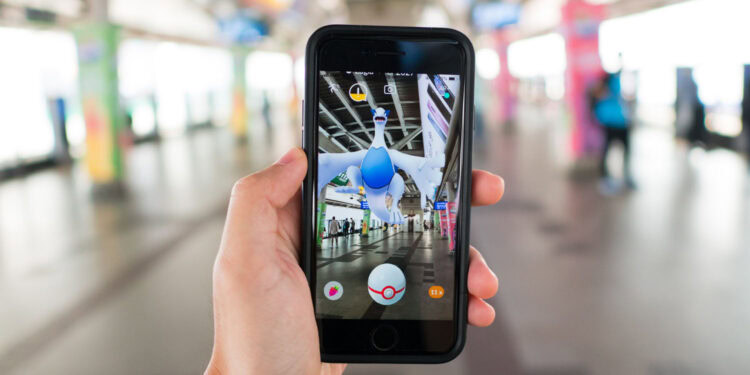
A recent study published in the Journal of Medical Internet Research examined the effects of Pokémon GO on physical activity and psychosocial well-being among children and adolescents. The study found that playing Pokémon GO generally increases physical activity levels in young people, but its impact on psychosocial well-being is more complex, showing both positive and negative outcomes.
Pokémon GO is an augmented reality mobile game that has captivated millions of users worldwide since its release. The game blends the virtual world with the real one by using the player’s smartphone GPS and camera. Players navigate real-world locations to catch virtual creatures called Pokémon, complete tasks, and compete in battles. The game’s unique integration of physical movement and digital gameplay encourages users to explore their surroundings, walk to different locations, and interact with other players.
Given the growing concerns about sedentary lifestyles and screen time among young people, the researchers saw an opportunity to investigate whether Pokémon GO could serve as an effective intervention to address these issues.
Previous research had primarily focused on the effects of Pokémon GO on adult populations, showing modest increases in physical activity and potential social benefits. However, there was a significant gap in understanding how the game impacts children and adolescents, who are at a critical stage of developing lifelong health behaviors.
The researchers conducted a systematic review following the PRISMA guidelines and registered the review in PROSPERO. They searched four electronic databases—PubMed, CINAHL, Web of Science, and Scopus—for studies on Pokémon GO that involved children and adolescents. They included experimental studies, observational studies, and qualitative studies published in English. The review focused on studies that measured physical activity (e.g., daily steps, exercise duration) and psychosocial well-being (e.g., self-esteem, social support).
The researchers screened 731 articles, ultimately including 10 studies that met their criteria. These studies varied in design, including qualitative interviews, cross-sectional studies, prospective cohort studies, and pre-post interventions. The sample sizes ranged from 13 to 944 participants, with ages from 5 to 18 years. The studies were conducted in various countries, including the United States, Spain, Taiwan, Peru, Indonesia, Hong Kong, and Sweden.
Six of the ten studies included in the review reported on physical activity measures. These studies consistently found that playing Pokémon GO was associated with increased levels of physical activity. Various measures of physical activity were used, including daily steps, exercise duration, and physical fitness levels. For instance, one study showed that installing the Pokémon GO app led to significant increases in daily walking and running distances.
Another study found that both current players and those who had previously played Pokémon GO had higher levels of physical activity compared to non-players. The duration of increased physical activity varied, with some studies reporting sustained increases for up to several months after starting to play the game. Overall, the review suggests that Pokémon GO can effectively promote more active lifestyles among young people, encouraging them to move more and engage in outdoor activities.
The findings on psychosocial well-being were more varied. Four of the ten studies examined this aspect, focusing on emotional intelligence, sociability, and general well-being. Two studies found that playing Pokémon GO was positively associated with higher sociability scores, indicating improved social skills and increased social interactions. This aligns with the game’s design, which encourages players to collaborate, compete, and interact with others.
However, the review also highlighted potential risks associated with excessive gameplay. Two studies noted a positive association between motivation for playing Pokémon GO and internet gaming disorder, suggesting that some players might develop addictive behaviors. Similarly, another study reported a link between high levels of Pokémon GO use and video game addiction.
These findings underscore the dual nature of Pokémon GO’s impact on young players. On the one hand, the game appears to be a valuable tool for increasing physical activity, which is important for the physical and mental development of children and adolescents. On the other hand, the potential risks of excessive gameplay and addiction highlight the need for balanced and monitored use.
Encouraging moderate and mindful gameplay, along with parental supervision and guidance, could help maximize the benefits of Pokémon GO for promoting physical activity and improving social skills in young people.
The researchers noted that further research is needed to understand how physical activity and psychosocial well-being interact and influence each other. They also suggested that future studies should use standardized measurement tools to ensure consistent and comprehensive evaluations of physical activity and psychosocial well-being.
The researchers emphasized the need for more robust and longitudinal studies to explore the long-term effects of Pokémon GO on physical and mental health. They also called for studies that investigate the underlying mechanisms that contribute to both positive and negative outcomes associated with playing the game. Understanding these mechanisms could help develop more effective and engaging interventions to promote health and well-being in children and adolescents.
The study, “Influence of Pokémon GO on Physical Activity and Psychosocial Well-Being in Children and Adolescents: Systematic Review,” was authored by Haiyan Liang, Xi Wang, and Ruopeng An.