Subscribe
The latest psychology and neuroscience discoveries.
My Account
  • Mental Health
  • Social Psychology
  • Cognitive Science
  • Psychopharmacology
  • Neuroscience
  • About
No Result
View All Result
PsyPost
PsyPost
No Result
View All Result
Home Exclusive Mental Health

Scientists uncover how molecule protects brain cells in Parkinson’s disease model

by Scripps Research Institute
April 15, 2015
in Mental Health
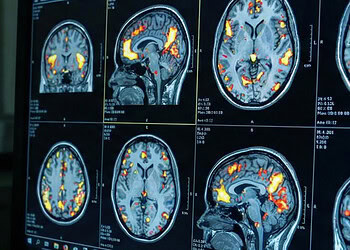
Photo credit: EPFL, Human Brain Project

Photo credit: EPFL, Human Brain Project

Share on TwitterShare on Facebook

Scientists from the Florida campus of The Scripps Research Institute (TSRI) have found how a widely known but little-studied enzyme protects brain cells in models of Parkinson’s disease.

These findings could provide valuable insight into the development of drug candidates that could protect brain cells in Parkinson’s and other neurodegenerative diseases.

The study, published recently online ahead of print by the journal Molecular and Cellular Biology, focuses on the enzyme known as serum glucocorticoid kinase 1 (SGK1).

“The overexpression of SGK1 provides neuron protection in both cell culture and in animal models,” said Philip LoGrasso, a TSRI professor who led the study. “It decreases reactive oxygen species generation and alleviates mitochondrial dysfunction.”

Using a neurotoxin animal model of neurodegeneration, the study showed that SGK1 protects brain cells by blocking several pathways involved in neurodegeneration, deactivating other molecules known as JNK, GSK3β and MKK4.

Increasing SGK1 offers a potential therapeutic strategy because, as the study makes clear, there isn’t enough naturally occurring SGK1 to do the job.

“Even though the levels of naturally occurring SGK1 increases in the cell under stress, it was not enough to promote cell survival in our neurodegeneration model,” said Sarah Iqbal, the first author of the study and a member of the LoGrasso lab. “On the other hand, cell survival mechanisms tend to dominate when more SGK1 is added to the neurons.”

The LoGrasso lab plans to continue to explore SGK1 as a therapeutic possibility for Parkinson’s disease.


Google News Preferences Add PsyPost to your preferred sources

RELATED

Scientists find evidence of Epstein-Barr virus activity in spinal fluid of multiple sclerosis patients
Mental Health

Scientists find evidence of Epstein-Barr virus activity in spinal fluid of multiple sclerosis patients

February 6, 2026
Sorting Hat research: What does your Hogwarts house say about your psychological makeup?
Neuroimaging

World Trade Center responders with PTSD show signs of accelerated brain aging

February 6, 2026
Landmark study reveals how predictors of divorce have transformed since the 1950s
Dementia

Divorce history is not linked to signs of brain aging or dementia markers

February 5, 2026
Pupil response can reveal the depths of depression
Autism

Eye contact discomfort does not explain slower emotion recognition in autistic individuals

February 5, 2026
A common childhood virus could be silently fueling Alzheimer’s disease in old age
Mental Health

A new mouse model links cleared viral infections to ALS-like symptoms

February 4, 2026
One specific reason for having sex is associated with higher stress levels the next day
Neuroimaging

Violence linked to depression in adolescent girls but not boys

February 4, 2026
Dim morning light triggers biological markers of depression in healthy adults
Depression

Targeting the immune system may help treat a specific subtype of depression

February 4, 2026
Socially anxious individuals show weaker adaptation to angry faces, study finds
Anxiety

What your fears about the future might reveal about your cellular age

February 3, 2026

PsyPost Merch

STAY CONNECTED

LATEST

Support for banning hate speech tends to decrease as people get older

Recreational ecstasy use is linked to lasting memory impairments

New psychology research changes how we think about power in the bedroom

Scientists find evidence of Epstein-Barr virus activity in spinal fluid of multiple sclerosis patients

World Trade Center responders with PTSD show signs of accelerated brain aging

This behavior explains why emotionally intelligent couples are happier

Scientists just mapped the brain architecture that underlies human intelligence

Sorting Hat research: What does your Hogwarts house say about your psychological makeup?

RSS Psychology of Selling

  • Sales agents often stay for autonomy rather than financial rewards
  • The economics of emotion: Reassessing the link between happiness and spending
  • Surprising link found between greed and poor work results among salespeople
  • Intrinsic motivation drives sales performance better than financial rewards
  • New research links faking emotions to higher turnover in B2B sales
         
       
  • Contact us
  • Privacy policy
  • Terms and Conditions
[Do not sell my information]

Welcome Back!

Login to your account below

Forgotten Password?

Retrieve your password

Please enter your username or email address to reset your password.

Log In

Add New Playlist

Subscribe
  • My Account
  • Cognitive Science Research
  • Mental Health Research
  • Social Psychology Research
  • Drug Research
  • Relationship Research
  • About PsyPost
  • Contact
  • Privacy Policy